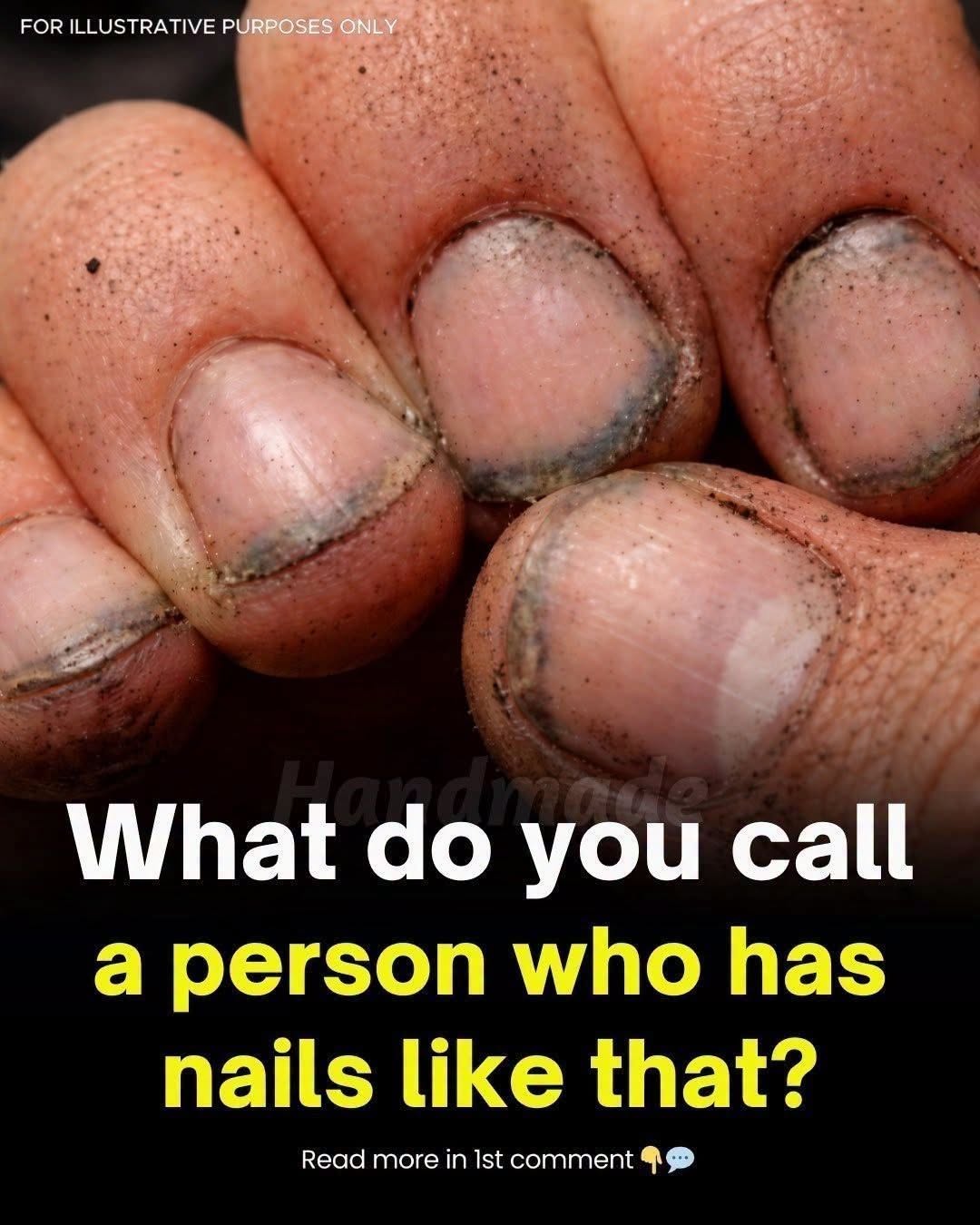
Dirty Fingernails? What They Really Mean
Dirty fingernails can tell you something—but usually not what people assume. A dark line beneath a nail might come from gardening, repairing a bicycle, cooking with spices, working with soil, or simply having a long day with no time for a proper scrub. That is why learning how to clean dirty fingernails is less about judging appearances and more about understanding what is actually stuck there and how to remove it without rough treatment.
Your hands collect evidence of daily life. Flour dries around the fingertips. Potting soil slips under the nail edge. Grease clings to tiny creases, while soap, dust, and dead skin can make the area look even darker. In other words, a quick glance rarely gives you the full story.
Dirty Fingernails Don’t Tell the Whole Story
Before reaching for a stiff brush, consider where the discoloration came from. Gardeners may have soil packed around the nail edges, while home cooks can develop stains from ingredients such as turmeric, berries, coffee, or strongly colored sauces. Mechanics, painters, and people who handle household repairs may also deal with stubborn residue that ordinary handwashing does not remove.
However, appearance alone cannot tell you whether someone is careless. Nails can look rough after repeated washing, outdoor work, cleaning chores, or exposure to dry air. Cuticles may become flaky, too, especially when hands are frequently washed with strong soap.
There is also a practical point worth remembering: dirt trapped under a nail can be uncomfortable and may carry germs. That does not mean every dark nail is dirty, though. Some nail color changes come from staining, minor injury, or other causes that have nothing to do with cleanliness.
Start With a Gentle Clean
If your own nails need attention, begin with warm water and a mild hand soap. Let your fingertips soak for a few minutes so dried residue softens before you scrub.
Next, use a soft nail brush or a clean, small household brush. Work around the nail edges with light pressure rather than digging underneath the nail with sharp objects.
For stubborn grime, make a simple paste with baking soda and a little water. Rub it gently over stained skin and the surface around the nails, then rinse well. A soft microfiber cloth can help remove residue from the fingertips without scraping the skin.
Pro Tip: Clean underneath the free edge of the nail with a soft brush, not a pointed tool. Digging can irritate the skin and create tiny breaks where bacteria can enter.
The 5-Minute Hand-Care Routine That Helps
A complicated manicure routine is unnecessary for everyday hand care. In fact, a short routine done consistently usually works better.
First, wash your hands with lukewarm water and mild soap. Hot water can leave already-dry skin feeling tighter, so keep the temperature comfortable.
Second, brush around the nail edges for about 20 to 30 seconds. Rinse, then inspect the corners where grime tends to hide.
Third, dry thoroughly, especially between the fingers and around the nail folds. Moisture left on the skin can contribute to irritation.
Finally, apply a fragrance-free hand cream. If your hands spend a lot of time outdoors, gardening, or doing household chores, keep a small tube beside the sink so you are more likely to use it.
For people who work with soil, a pair of washable gardening gloves can reduce how much dirt reaches the nails in the first place. Likewise, reusable household cleaning gloves can help protect skin from repeated contact with detergents.
What About Stains That Won’t Wash Away?
Sometimes the nail is clean but still looks discolored. That distinction matters.
A stain can remain after the material causing it has been removed. For instance, deeply colored foods, soil, and some household materials can temporarily tint the nail or surrounding skin. Repeated aggressive scrubbing will not necessarily make the color disappear faster.
Instead, keep the nails trimmed and clean, moisturize the surrounding skin, and give the nail time to grow out. Nails grow slowly, so visible changes can take weeks to move toward the tip.
Do not use harsh household chemicals, bleach, or abrasive cleaners on your skin or nails. They can cause irritation and dryness while doing little to solve the underlying problem.
Common Mistakes That Make Hands Look Worse
One of the biggest mistakes is scrubbing harder because the first attempt did not work. More pressure can leave the skin red and sore without removing a stain that is actually inside the nail.
Another mistake is using sharp objects to scrape under the nail. It may seem satisfying to pull out every last speck, but the skin underneath is delicate.
Skipping moisturizer is another common problem. If you wash your hands repeatedly and never replace lost moisture, the skin around the nails can become dry and rough. As a result, the hands may look less cared for even when they are clean.
Also, avoid cutting cuticles aggressively. Cuticles help protect the area where the nail begins, so rough trimming can cause irritation.
Pro Tip: Keep a soft nail brush near the kitchen or utility sink. The easier it is to reach, the more likely you are to use it before grime has time to dry.
When a Nail Change Deserves Attention
Not every unusual-looking nail is a hygiene problem. A persistent color change, pain, swelling, unusual thickening, separation from the skin, or a change that does not improve as the nail grows may deserve a closer look from a healthcare professional.
This is especially worth considering when the change affects only one nail or appears without an obvious explanation. Rather than trying stronger cleaning products, ask a qualified professional what may be causing it.
In the meantime, avoid picking, cutting, or aggressively filing the affected area. Gentle cleaning and basic nail care are safer than trying to scrub a problem away.
Clean Nails Without the Judgment
There is a useful lesson here that goes beyond hand care. Dirty fingernails can show that someone has been planting tomatoes, fixing a sink, painting a room, caring for children, preparing dinner, or working through a demanding shift. They can also simply mean someone has not gotten around to washing their hands yet.
So yes, clean your nails when they need it. Keep a nail brush, mild soap, moisturizer, and a pair of protective gloves within easy reach. Those small habits make everyday cleanup much easier.
But don’t turn a few dark nail edges into a character judgment. Hands are tools people use to work, care, build, cook, clean, and create. Sometimes the marks they carry say more about what a person has been doing than about how much they care.
In the end, dirty fingernails are not a personality test. They may simply be the leftover evidence of a busy day. Clean them gently, protect your hands, and leave the snap judgments at the door.