
We love a dramatic turnaround story. Hollywood packages redemption into a clean ninety-minute montage, complete with swelling violins and an easy smile, making it look as simple as flipping a light switch. Yet anyone who has ever stood in a quiet kitchen after an exhausting family blowout knows that real transformation is far messier. Old habits cling like stubborn grease, and breaking generational cycles demands relentless, unglamorous patience every single day.
Consider Robert Downey Jr. Long before he stepped onto red carpets in sharp tailored suits, his private life was an unraveling ball of yarn. Most folks remember the mugshots, the chaotic court appearances, and the headlines from the late nineties. What they tend to forget is how deeply rooted those struggles were, stretching all the way back to the living room of his childhood.
Inherited Habits: Why the Hardest Work Begins at Home
Children absorb their surroundings like dry garden soil taking on rain. They do not merely listen to what we say; they watch how we cope with stress, how we soothe our aches, and how we love. For Downey, substance abuse was not a rebellion picked up on a street corner. It was an inheritance handed down at home, wrapped in the guise of bonding and paternal affection.
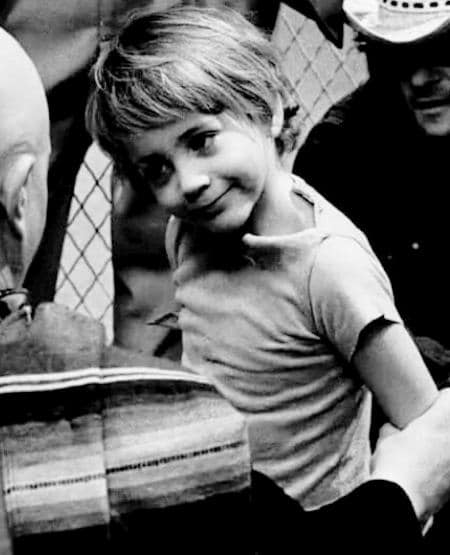
A young Robert Downey Jr. in his early years, long before understanding the weight of the habits passed down around him.
When destructive behaviors are modeled as love, untangling them takes decades. You grow up believing chaos is normal and peace is suspicious. We see echoes of this in our own lives, even without Hollywood-scale drama. Maybe your parents dealt with anger through slamming cupboards, or perhaps silent resentment lingered at your childhood dinner table like burnt toast.
Recognizing that our habits are inherited is the first step toward changing them. It requires looking back without bitterness, yet with absolute honesty. You cannot fix a leaky foundation while pretending the basement is dry.
Creating Space for Quiet Renewal
Healing rarely happens amid noise and commotion. When life feels chaotic, the most radical move you can make is stepping away from the chatter to create small pockets of stillness. It starts with simple physical cues: lighting an unperfumed beeswax candle, washing the breakfast dishes by hand, or stepping outside barefoot to feel the morning grass.

Grounding the day begins with small, deliberate pauses rather than grand, sweeping promises.
Brewing a mug of warm chamomile tea with lemon may seem like a small gesture, but your nervous system registers the gentleness. Routine acts as an anchor when emotional storms roll in. When you give yourself permission to slow down, you create space for better choices.
The Slow Grind of Rebuilding After Rock Bottom
Rock bottom is rarely a sudden crash; more often, it is a prolonged, exhausting descent. By the time Downey hit Malibu holding cells and state prison in the late 1990s, his world had collapsed completely. Friends walked away, studios refused to insure him, and the wreckage seemed permanent.

Moving through the world during the quiet rebuilding years requires trading flash for simple personal accountability.
His eventual release in 2000 was not a triumphant victory lap. It was the start of an arduous, humbling journey back to basic credibility. He worked small gigs, underwent persistent drug screenings, and embraced martial arts to rebuild physical and mental control. He traded quick dopamine fixes for repetitive, sweaty discipline on the training mat.
“True transformation is not about erasing yesterday’s mistakes; it is about outgrowing them through daily, quiet persistence.”
When you are trying to rebuild a fractured relationship or steady your own spirit, remember that trust is earned in drops and lost in buckets. You cannot talk your way out of a pattern you behaved yourself into. You have to live your way into a new rhythm, one honest morning at a time.
Restoring Trust Through Small, Daily Promises
How do you begin mending what feels hopelessly broken? You start with tiny promises kept with unwavering consistency. If you say you will fold the laundry before bed, fold it. If you promise your children an hour in the garden after school, leave your phone on the kitchen counter and go dig in the dirt.

Physical, grounding work around the kitchen offers an anchor when everything else feels uncertain.
There is profound medicine in working with your hands. Kneading sourdough dough, sanding an old wooden chair, or pulling weeds gives your hands purpose while your brain sorts through tangled feelings. Practical domestic labor reminds us that slow, steady effort yields real nourishment.
Breaking Generational Cycles for the Next Generation
The true trial of Downey’s recovery came years later, not on a movie set, but in his living room when his eldest son faced familiar battles with addiction. That moment could have broken him. It is terrifying when the very shadows you fought to escape creep back toward your children.
Instead of hiding behind shame or denial, Downey met the crisis with steady compassion and active intervention. He walked alongside his son, framing the challenge not as a disgraceful failure, but as a path to recovery. That is the essence of breaking generational cycles: refusing to let old family scripts dictate how you handle current heartbreak.

Building generational trust happens shoulder-to-shoulder through ordinary, shared routines.
Our homes should be shelters, not courtrooms. When our children or partners stumble, meeting them with calm presence rather than panicked fury changes the entire family dynamic. It teaches everyone under your roof that love does not vanish when life turns messy.
- Swap lectures for listening: Sit on the porch with a mug of mint tea and let your family talk without jumping in to offer fixes.
- Establish dependable rituals: Whether it is Sunday morning blueberry pancakes or evening walks around the block, predictable rhythms create emotional safety.
- Model honest apologies: When you lose your temper, say you are sorry without tacking on excuses at the end.
- Set firm, warm boundaries: True love holds the line with gentleness, recognizing that structure prevents chaos from creeping in.
Tending to the Quiet Corners of Home
Our physical surroundings mirror our internal state. When the home is drowning in clutter, our minds mirror that tension. Taking an afternoon to clear off a cluttered entryway table or arrange a reading nook does wonders for collective family peace.

True stability is forged by turning our living spaces into places where the mind can finally rest.
You do not need fancy decor or a designer budget to cultivate sanctuary. A clean wool throw, an organized shelf of beloved books, and a sunny sill with fresh herbs create an environment that invites people to exhale. When home feels restful, nobody feels the urge to flee from it.
A Quieter Kind of Triumph
Today, Robert Downey Jr. stands as one of cinema’s most beloved figures, celebrated across the globe. Yet his greatest accomplishment was never the golden trophies or the box-office records. His real victory was building a peaceful home life with his wife Susan, raising his kids in a steady environment, and leaving his family’s painful history behind.

Second acts are rarely sudden or flashy. They are built out of thousands of tiny, private choices made when nobody is cheering. They are born in the kitchen over honest conversations, in the quiet discipline of morning routines, and in the stubborn courage to choose kindness over anger.
If you are walking through your own difficult season, take heart. The story you inherited does not get the final word on who you become. By intentionally breaking generational cycles right where you are, you clear the path for a gentler, brighter tomorrow within your own four walls.