
You are sitting on the living room rug, scratching your pup right behind the ears while they yawn, stretch, and roll over for belly rubs. That is usually when it catches your eye: a distinct, dark smudge right in the middle of an otherwise bubblegum-pink mouth. Your heart does a quick little flip. You start wondering if they chewed on something sharp in the yard, or if something more serious is going on under the surface.
Discovering a black spot on a dog’s tongue can stop any dog owner in their tracks. Fortunately, the vast majority of these dark markings are entirely harmless quirks of biology. Just like freckles, birthmarks, or beauty marks on human skin, dogs frequently carry extra splashes of color in places you might not check every day.
Still, knowing what causes these marks, which breeds carry them naturally, and how to tell a harmless pigment patch from an issue that requires medical attention gives you total peace of mind. Let us walk through everything you need to know about your dog’s mouth health in simple, practical terms.
What Causes a Black Spot on a Dog’s Tongue?
The primary reason dark spots show up on a canine tongue comes down to microscopic pigment cells called melanocytes. These specialized cells produce melanin, the pigment responsible for the color of your dog’s coat, skin, nose leather, and footpads. When a small cluster of melanocytes produces more pigment in a concentrated area, a flat, dark spot develops on the mucous membrane.
In veterinary medicine, this is known as hyperpigmentation or benign melanosis. It is not an illness, a symptom of poor health, or something that needs removal. It is simply an organic variation in tissue pigmentation that can be present from puppyhood or slowly develop as your companion matures.
Think of dark tongue spots as canine freckles. If the spot is smooth, flat, and doesn’t bother your dog when they chew or play, it is almost certainly a natural trait.
These spots can range in appearance from tiny, pinhead-sized dots to wide, ink-like patches that cover a quarter of the tongue. Some dogs have a single isolated mark, while others have what looks like a playful splatter pattern across their tongue and the roof of their mouth.
Breeds Naturally Prone to Pigmented Tongues
There is a persistent myth that if a dog has dark marks on their tongue, they must have Chow Chow or Chinese Shar-Pei somewhere in their family tree. While those two famous breeds are renowned for having solid blue-black tongues, dozens of other breeds commonly carry dark spots as part of their standard genetics.
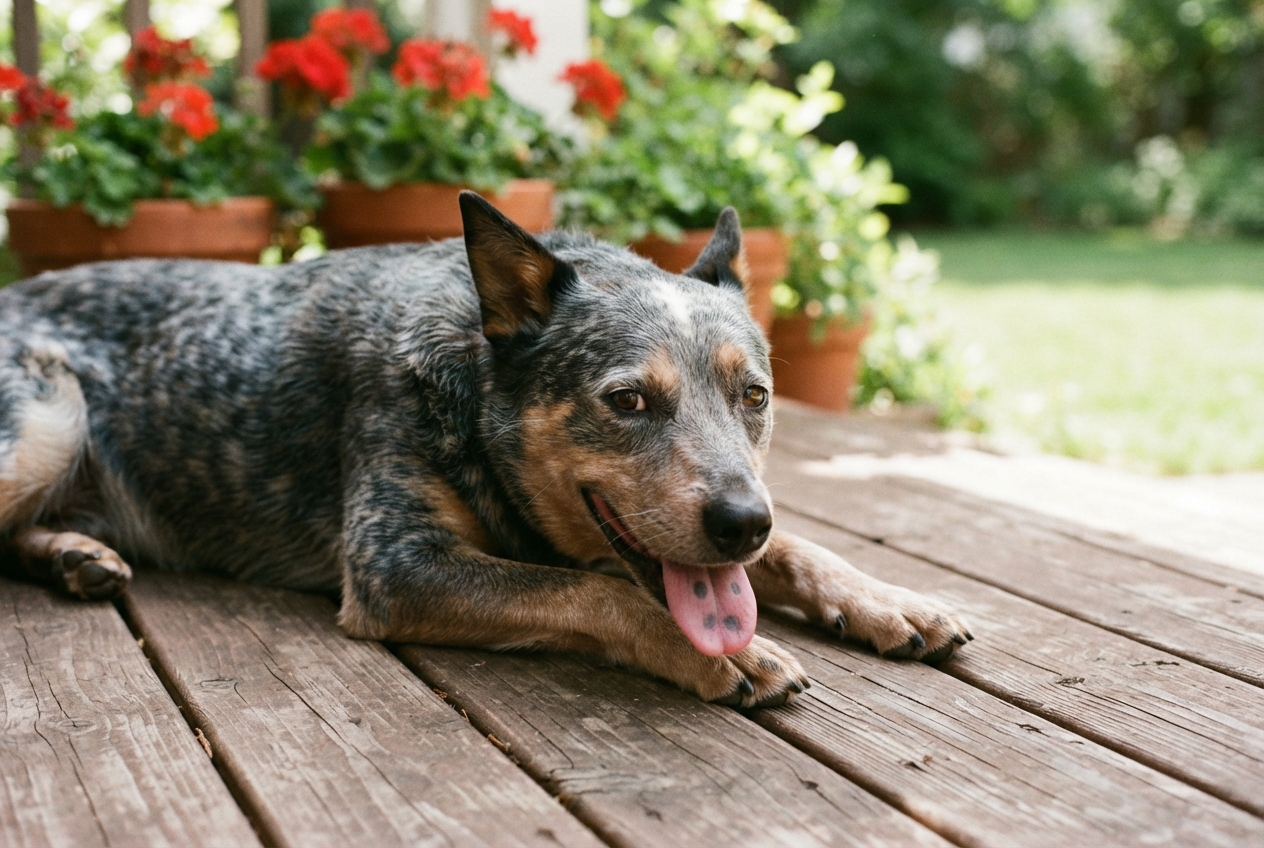
Many mixed-breed dogs and family favorites naturally carry dark freckles on their tongues throughout their lives.
Purebred dogs and mixed breeds alike can display natural tongue pigmentation. You will frequently spot these harmless freckles in breeds such as:
- Retrievers: Golden Retrievers, Labrador Retrievers, and Flat-Coated Retrievers.
- Herding Breeds: German Shepherds, Australian Cattle Dogs, Border Collies, and Belgian Malinois.
- Working & Guardian Breeds: Rottweilers, Newfoundlands, Doberman Pinschers, and Mastiffs.
- Spitz Types & Northern Breeds: Siberian Huskies, Alaskan Malamutes, and Samoyeds.
- Terriers & Hounds: Airedale Terriers, Cocker Spaniels, and Pointers.
If you adopted a rescue dog with a spotty tongue, you do not need a DNA test to explain the coloration. Pigment clusters happen across the entire canine family tree, making your companion’s smile delightfully one-of-a-kind.
Harmless Freckles vs. Warning Signs: How to Spot the Difference
While natural pigmentation is standard, changes in oral tissue can occasionally signal an injury or medical condition. Being able to distinguish between a benign pigment mark and a potential red flag is an essential skill for any pet parent.
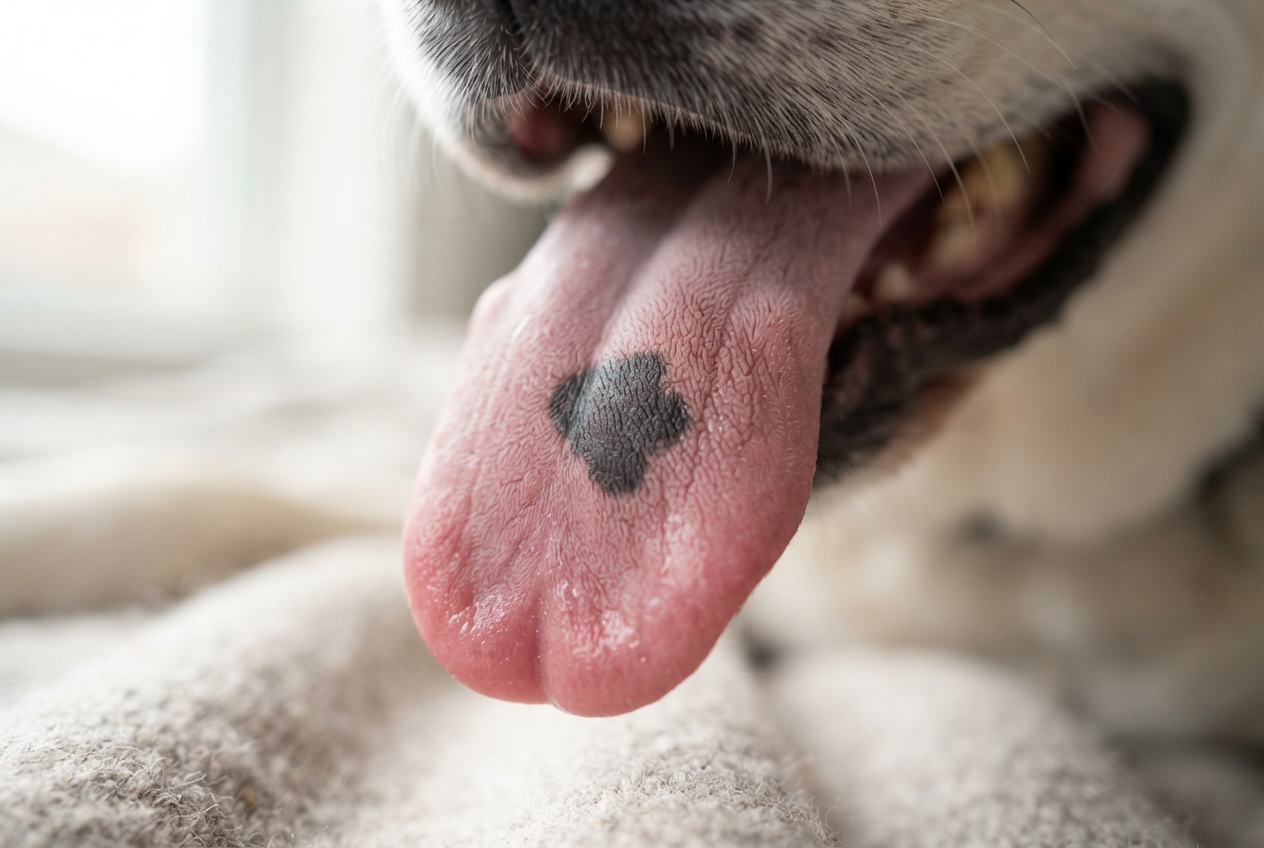
Harmless tongue spots stay completely flat and smooth, blending seamlessly into the surrounding tissue texture.
Here is what to look for when evaluating the mark on your dog’s tongue:
- Surface Texture: A harmless pigment spot sits flush with the tongue. Run your clean finger gently across it (if your dog is comfortable with it); it should feel exactly like the rest of the tongue’s velvety surface. If the spot feels raised, bumpy, hard, or cauliflower-like, have a vet evaluate it.
- Color Uniformity: Benign marks tend to stay a steady charcoal, slate grey, or deep bluish-black. Irritated or diseased areas often look mottled, with angry red borders, grey dead tissue, or open sores.
- Rate of Change: Freckles appear gradually or stay the exact same size for years. A spot that doubles in size over a few weeks or visibly changes shape warrants a quick veterinary checkup.
- Comfort and Function: Normal spots cause zero irritation. If your dog paws at their snout, drops food while eating, chews on only one side of their jaw, or whines, the spot may be tender or inflamed.
Step-by-Step: How to Safely Check Your Dog’s Mouth at Home
Checking your dog’s mouth does not have to turn into a wrestling match. When done gently with plenty of patience and positive reinforcement, it becomes a fast, relaxing part of your regular grooming routine.
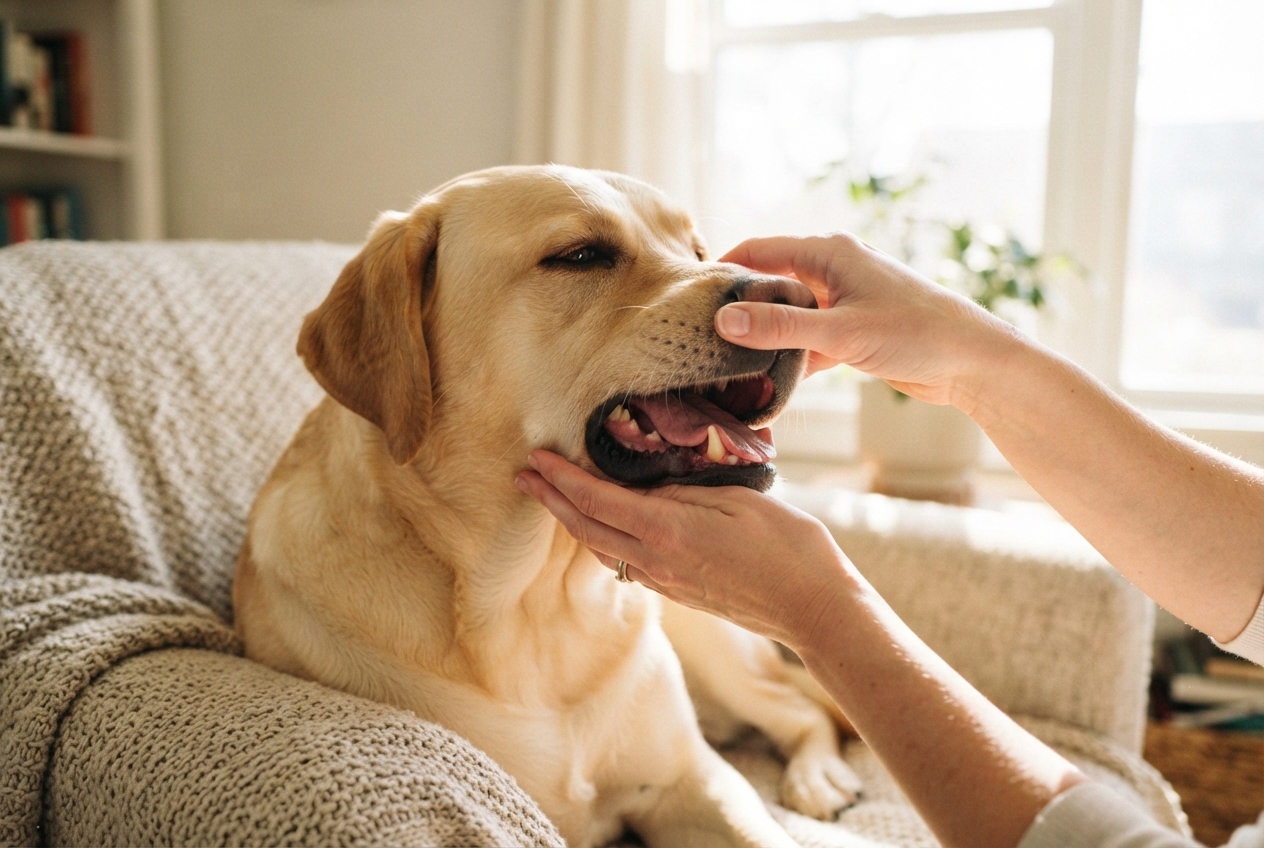
A gentle, low-stress mouth check takes just thirty seconds and helps you keep track of any subtle changes.
Pick a quiet moment when your dog is relaxed, perhaps after a long afternoon walk. Sit beside them on their level rather than looming over their head.
- Start with the outer muzzle: Stroke their cheeks and under their chin, rewarding them with praise. Gently lift the upper lip on one side to view the gums and teeth.
- Encourage an open mouth: Lightly place your hand over the bridge of their snout, gently resting your thumb and fingers behind the upper canine teeth. Tilt the head slightly upward. Most dogs will naturally part their jaws.
- Inspect the tongue: Take a clear mental snapshot (or snap a quick photo on your phone) of the spot’s size, color, and location. Check the underside of the tongue and the inner cheek linings while the mouth is open.
- End on a high note: Keep the entire check under fifteen seconds. Immediately release, offer a favorite crunchy treat, and tell them what a good companion they are.
When a Dark Tongue Spot Needs Veterinary Care
Although rare compared to harmless freckling, certain oral health conditions require professional medical treatment. Knowing when to book an appointment ensures small issues do not turn into major discomfort for your pet.
1. Mouth Trauma and Blood Blisters (Hematomas)
Dogs explore the world mouth-first. If your pup enjoys catching sticks, chewing hard plastic toys, or accidentally bit their tongue during an energetic game of fetch, a small blood blister or bruise can form. These trauma-related spots appear suddenly and may look dark purple or black. While minor tongue nicks heal quickly thanks to excellent blood flow in the mouth, deep punctures or bleeding spots need veterinary evaluation to prevent infection.
2. Severe Dental Disease and Bacterial Build-up
Heavy tartar buildup and untreated gum infections can discolor nearby oral tissues. When bacteria colonize the mouth, the tongue can develop coated, discolored patches accompanied by foul breath, red inflamed gums, and excessive drooling. Addressing the underlying dental tartar resolves the discoloration and keeps your dog pain-free.
3. Oral Masses and Melanoma
The most serious concern with any dark oral growth is oral melanoma, a type of tumor that arises from pigment-producing cells. While benign melanosis is flat and quiet, malignant growths typically present as raised, fleshy, fast-growing bumps that may bleed easily, produce a distinct foul odor, or make swallowing difficult. Catching oral changes early makes treatment significantly more effective, which is why regular checks are so valuable.
Everyday Habits for Clean Teeth and a Healthy Mouth
A healthy mouth supports your dog’s entire body, from their heart and kidneys down to their energy levels. Building a few easy oral care habits into your weekly homemaking routine keeps your pet’s breath fresh and makes spotting unusual changes effortless.
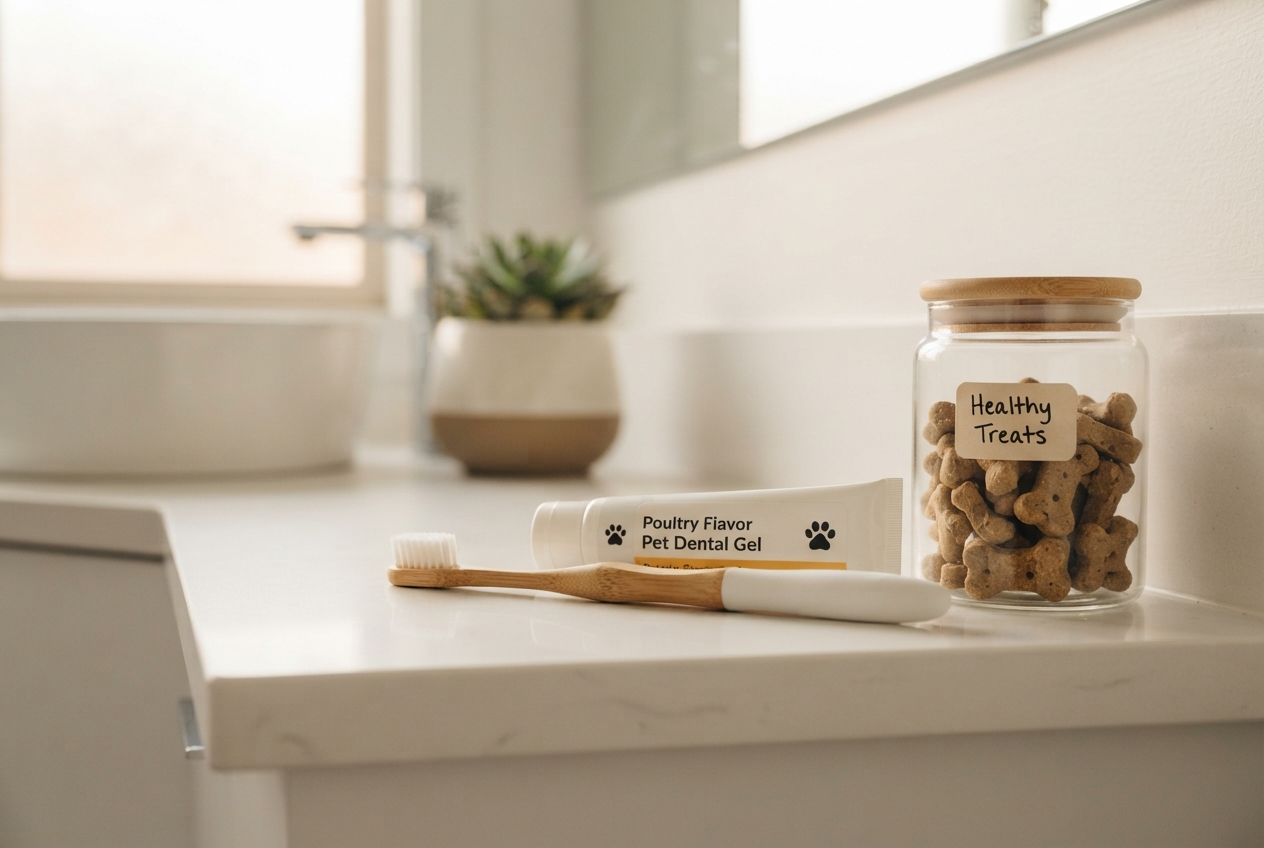
Consistent oral care keeps your pup’s breath fresh and makes spot-checking their tongue second nature.
Make daily or weekly brushing a low-stress habit using a soft canine toothbrush and enzymatic pet toothpaste in savory flavors like poultry or peanut. Never use human toothpaste, as ingredients like xylitol and foaming agents are toxic to dogs. If your pup is skeptical about toothbrushes, start with a silicone finger brush or textured dental wipes.
Complement brushing with veterinarian-approved dental chews, durable natural rubber toys that massage gums as they play, and fresh, filtered drinking water refreshed daily. Scheduling a quick oral assessment during your annual wellness vet visits ensures your dog’s teeth, gums, and tongue stay in top condition year after year.
Living Comfortably with Your Dog’s Unique Quirks
Finding a new mark on your dog can cause a fleeting moment of worry, but learning their normal baseline makes all the difference. When you notice that flat, smooth black spot on a dog’s tongue during a lazy morning cuddle, you can smile knowing it is simply part of what makes your furry best friend distinctly themselves.
Keep taking your mental snapshots, brush those teeth regularly, and enjoy every happy, slobbery pant that comes your way.