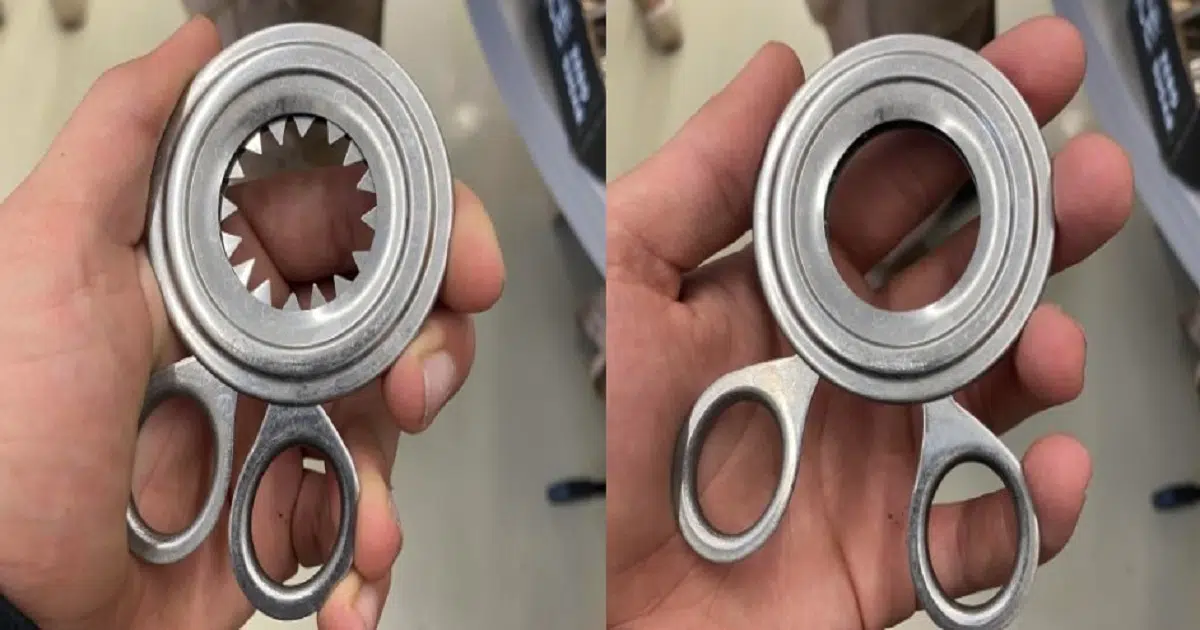
You find it sitting at the bottom of a thrift shop basket or wedged between melon ballers in your grandmother’s utensil drawer. Two round finger rings, a thick stainless circular head, and a mechanism that looks suspiciously like an industrial cigar trimmer. If you ever wondered what this odd piece of metal actually accomplishes, meet the egg topper cutter—the quiet savior of civilized weekday breakfasts.
Anyone who loves soft-boiled eggs understands the quiet tragedy of the kitchen spoon hack. You tap the crown, shatter the calcified dome into twenty microscopic shards, and spend the next five minutes picking sharp flakes out of warm yolk with the tip of your fingernail. That frustration vanishes the moment you learn how this gadget works.
What Is an Egg Topper Cutter?
An egg topper cutter is a dedicated tool engineered to slice or score a clean ring around the upper third of an eggshell. Rather than crushing the brittle structure through brute force, it applies targeted radial pressure along a uniform line. The result is a smooth, circular lid that pulls away cleanly, leaving the tender white and runny center untouched.
Kitchen drawers usually harbor one of two distinct designs: the spring-loaded drop-ball plunger (often known as a “clack” style) or the scissor-action serrated ring. While spring-loaded models use a vibrating shockwave to fracture the shell, the scissor model pictured here relies on mechanical cutting teeth.
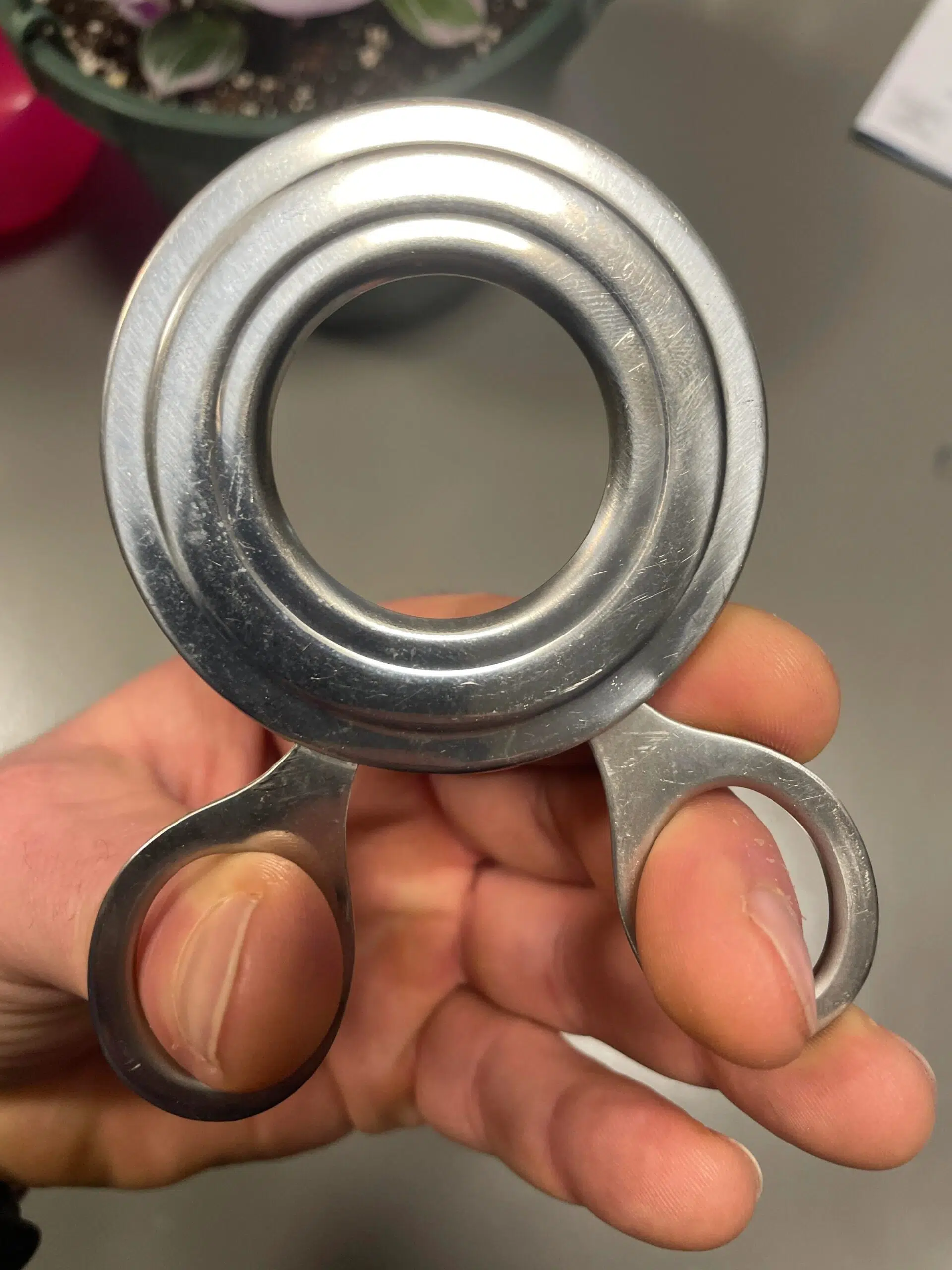
Holding the scissor-style egg topper cutter firmly reveals the smooth outer rim designed to rest directly against the crown of the shell.
The Anatomy of the Scissor-Style Cutter
Take a closer look at the circular frame. On the outside sits an open bezel designed to sit flush over the tapered apex of a standard medium or large egg. On the inside sits a hidden ring of sharp, triangular teeth.
When you compress the handles, those teeth squeeze inward toward the center hole. Because eggshells are brittle yet surprisingly resilient against blunt force, those pointed teeth puncture the calcium carbonate at even intervals. A gentle twist transforms those punctures into a clean, circular score line.
The secret is finesse, not force. Squeezing the handles like pliers will crush the shell. A light grip combined with a quick turn yields a flawless rim every time.
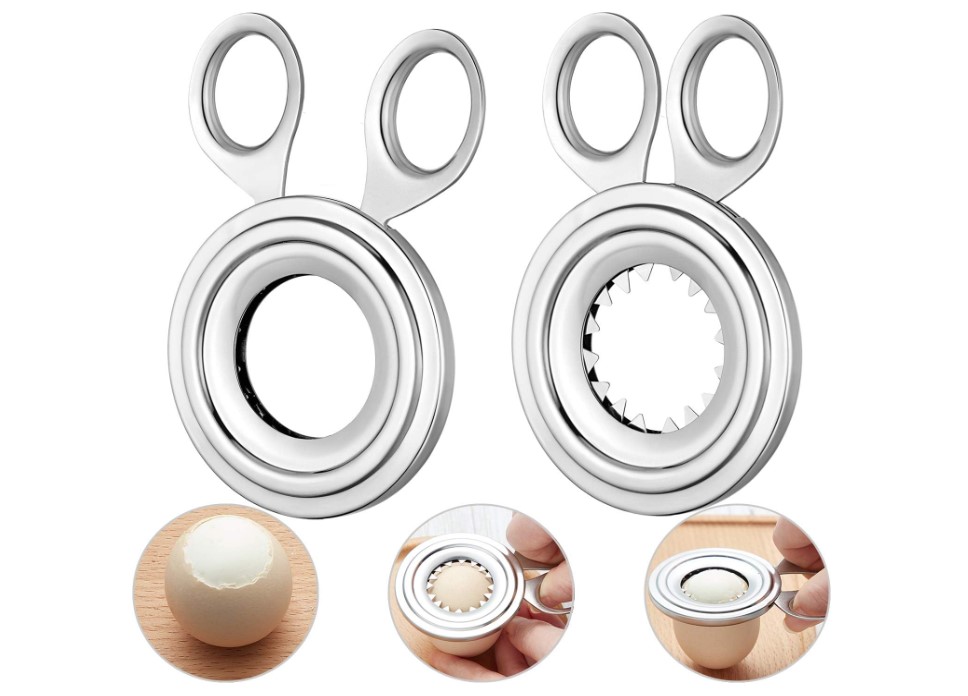
When you squeeze the finger rings, inner serrated teeth converge to score the circumference of the shell without piercing the yolk.
The Soft-Boiled Foundation: Getting Your Egg Ready
Even the sharpest tool will struggle if your egg is undercooked or rock hard. Achieving the velvety custard yolk that makes this presentation worthwhile requires exact stove timing.
- The Boiling Water Method: Bring a small saucepan of water to a gentle boil over medium-high heat. Lower cold eggs directly from the fridge into the water using a slotted spoon.
- The Six-and-a-Half-Minute Rule: For large eggs, six minutes and thirty seconds yields set, firm whites with a warm, liquid golden center. Six minutes gives a runnier white, while seven minutes creates a jammy yolk.
- The Brief Shock: Transfer the cooked eggs to a bowl of cold tap water for just thirty seconds. This stops the cooking carryover without cooling down your breakfast.
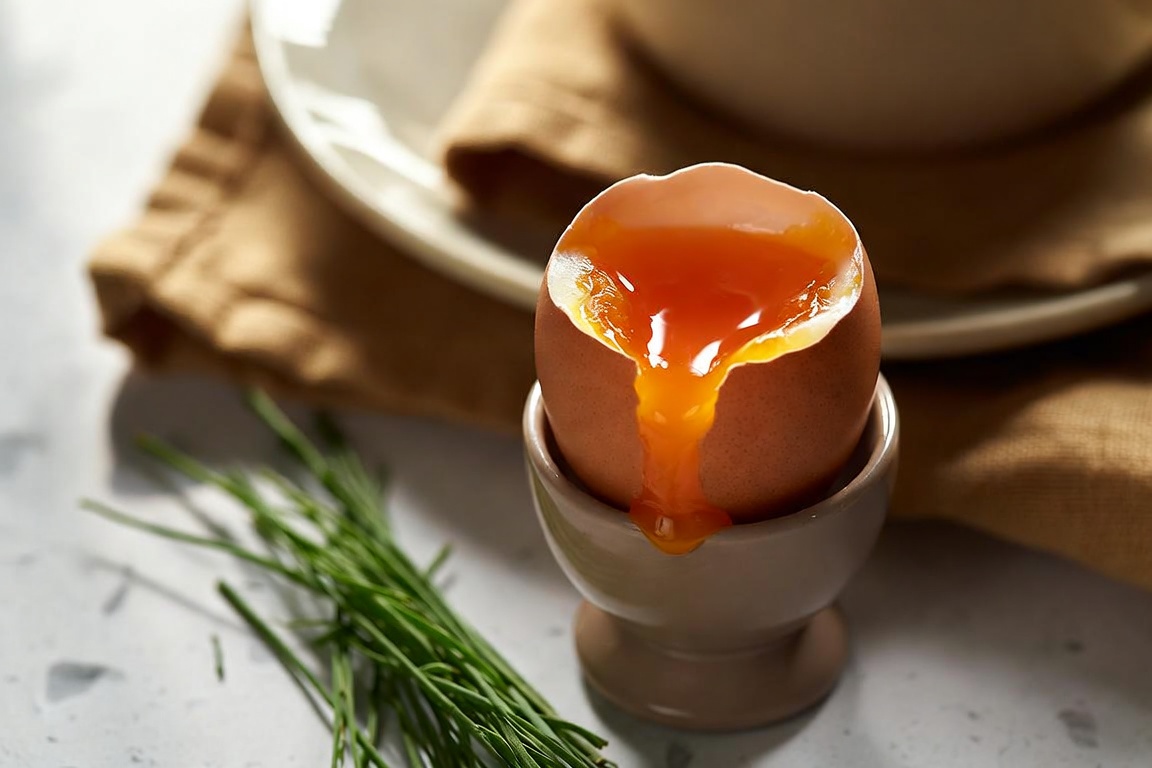
A cleanly decapitated soft-boiled egg shows off a velvety yolk without loose shell chips floating in the cup.
Step-by-Step: How to Use an Egg Topper Cutter
Using this scissor-action gadget takes about five seconds once you get the motion down. Grab your warm egg and follow these simple steps:
- Seat the Egg Securely: Set your warm egg, pointy end facing upward, into a ceramic egg cup, a ramekin filled with coarse sea salt, or an overturned wooden ring. If the egg rocks back and forth, your cut will go crooked.
- Drop the Bezel Over the Crown: Rest the circular ring of the cutter over the top third of the egg. Keep the tool parallel to your countertop so the cut runs completely level.
- Apply Gentle Radial Pressure: Squeeze the scissor finger grips until you feel the small teeth engage with the shell. You will hear a tiny, satisfying crunch as the points bite through.
- Give It a Quarter-Turn: While keeping gentle pressure on the handles, rotate the cutter roughly 90 degrees around the shell. This connects the perforations into a solid cut.
- Lift or Tip the Cap Away: Release the grips slightly and lift. The calcified top cap will either stay inside the tool or lift away with the tip of a butter knife like a tiny hat.

Golden sourdough toast soldiers ready for dunking straight down into a freshly opened egg cup.
Dunkers and Seasonings: Serving Like a European Bistro
Once you expose that pristine, glossy yolk, plain toast on the side feels like a missed opportunity. Thick-sliced sourdough toasted crisp in olive oil and sliced into slim half-inch “soldiers” provides the backbone for serious dipping.
Sprinkle the exposed yolk with flaky Maldon salt, cracked black peppercorns, and finely snipped fresh chives. Dunking hot, buttery toast sticks into a warm yolk feels comforting on slow weekend mornings. It turns a ten-minute breakfast into something thoughtful and calm.
Common Mistakes to Avoid
If your first try ends in a cracked mess, do not give up on the tool. A few simple adjustments make all the difference:
- Pressing Downward Instead of Squeezing: Never push the tool down onto the egg. The cut comes strictly from the inward squeeze of the blades, not downward weight.
- Using Frozen-Cold Eggs: Trying to slice an egg straight from the fridge while the center is hot creates shell fractures. Let the egg equalize for a minute after boiling.
- Over-Squeezing: If your knuckles turn white, you are applying too much pressure. The teeth only need to puncture the outer calcified wall, not chop through the albumen.
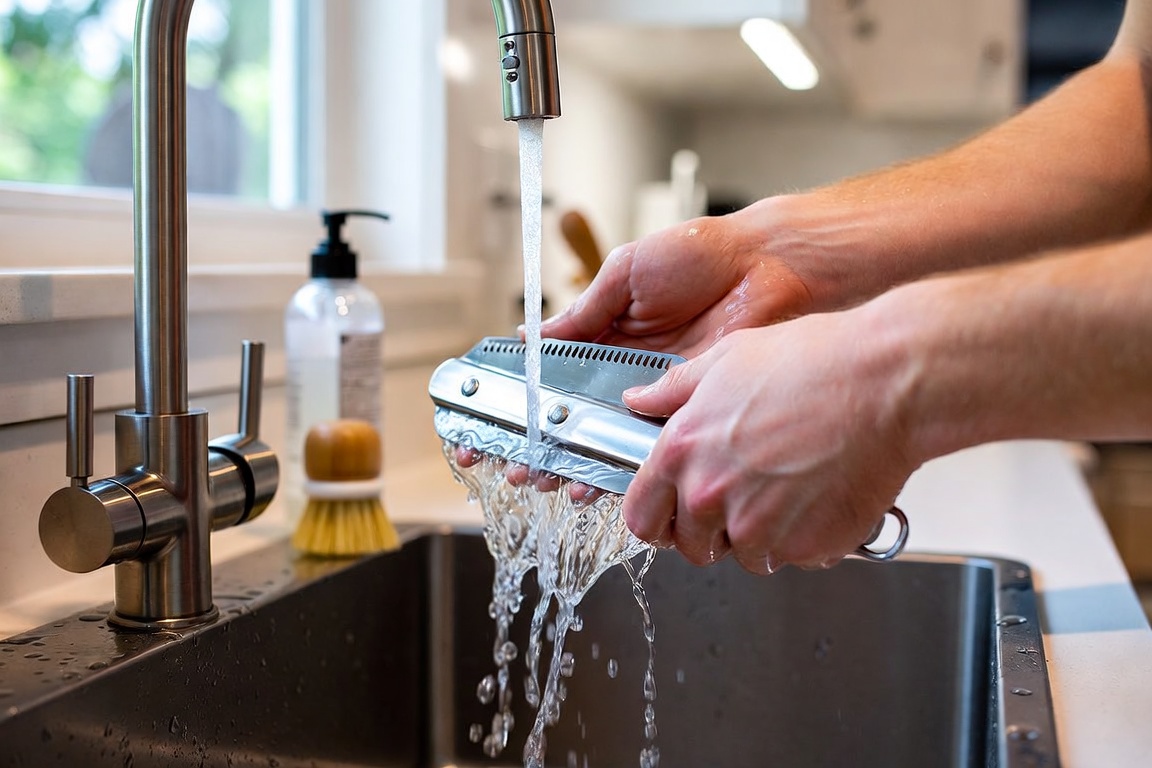
Quick hand-washing under warm water keeps the internal serrated teeth sharp and free of dried egg residue.
Cleaning, Care, and Storage
Dried egg yolk acts like concrete once it hardens inside the mechanical track of the blades. Never let this tool sit dirty in the sink. Immediately after your meal, rinse the cutting head under hot running tap water.
Swish the teeth back and forth using the scissor handles to clear out any trapped inner membrane. Pat the entire tool dry with a clean cotton towel before sliding it back into your utensil drawer. Dishwashers can dull the delicate teeth over time, so quick hand-washing is your best bet for lasting sharpness.
Mastering this simple tool elevates a humble kitchen staple into an artful morning ritual. Keep your cutter sharp, keep your toast hot, and enjoy soft-boiled eggs completely free of crunchy shell surprises.