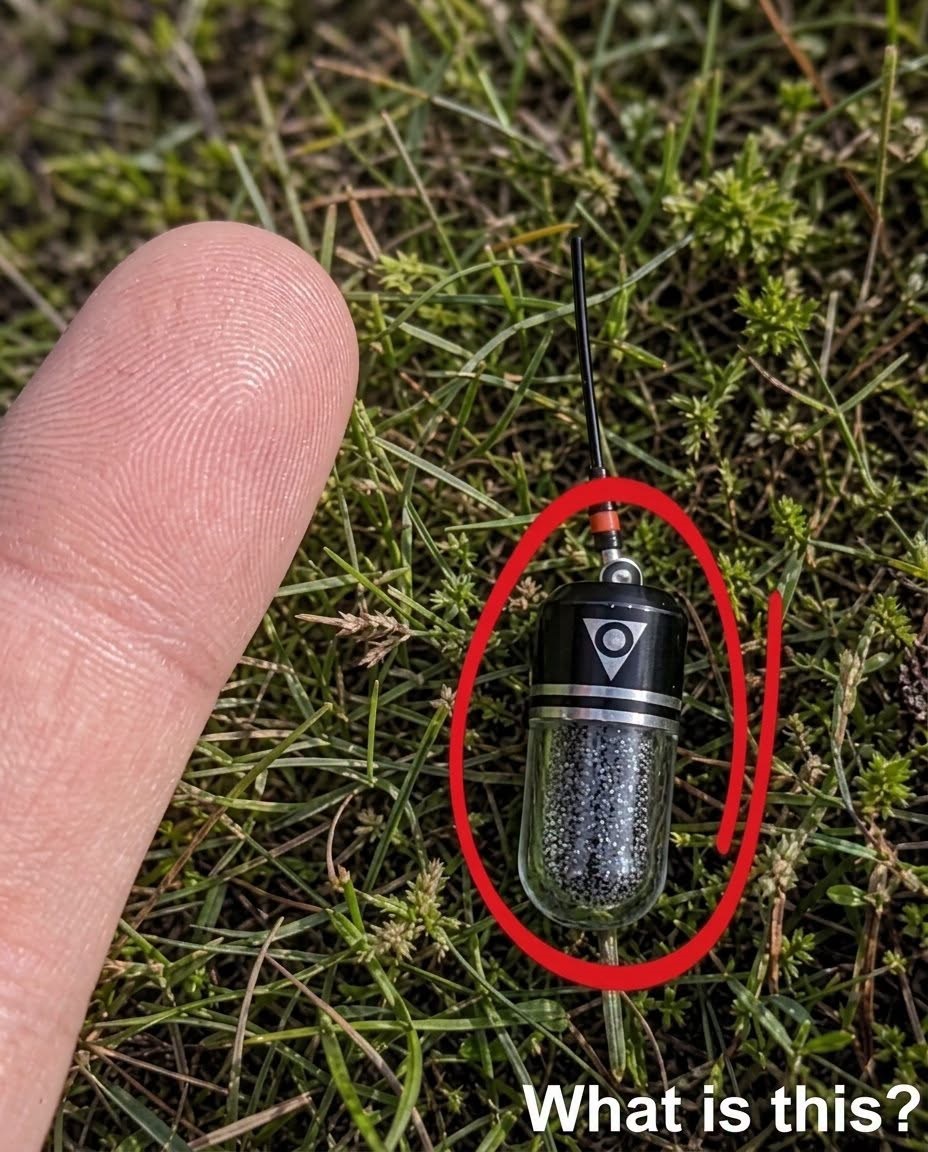
You know the exact cadence of your regular evening loop: the rhythmic jingle of tags, the rustle of dry oak leaves, and that familiar pull toward your pup’s favorite fire hydrant. But when your four-legged companion suddenly locks his brakes, stiffens his posture, and stares down an invisible target in the turf, everything stops. Finding a strange device on your dog walk is surprisingly common on public trails, suburban greenbelts, and neighborhood dog parks.
Actually, everyday walking paths hide far more than dropped tennis balls and pinecones. From tiny wildlife tags and lost pet micro-transmitters to discarded tech batteries, knowing how to spot and handle unfamiliar objects keeps your curious pup out of harm’s way.
What Is That Object in the Grass? Common Culprits Identified
When you spot a miniature capsule, circuit board, or metallic cylinder half-buried in the lawn, your mind might jump straight to spy novels. However, most mysterious trail items fall into four standard categories:
- Wildlife Research Transmitters: Biologists frequently monitor urban wildlife using VHF radio tags, acoustic transmitters, or micro-GPS units. These lightweight capsules often feature a thin whip antenna and are tagged with tiny serial codes.
- Lost Consumer Pet Trackers: Modern pet parents frequently outfit dogs and cats with clip-on GPS tags or Bluetooth tracking fobs. These devices frequently pop off collars when pets dash through dense brush.
- Geocaching Containers & Munzees: Outdoor treasure hunters tuck small weatherproof plastic tubes, magnetic canisters, and QR-code tags near public benches, trail signs, and tree roots.
- Discarded Lithium Electronics & Vapes: Unfortunately, trash along public paths often includes single-use electronic items with small lithium-ion cells, which present severe toxicity hazards if punctured by canine teeth.
Before you let your hound investigate with a wet nose, step in front of them. The priority is immediate safety over quick curiosity.
Immediate Safety Protocol: 4 Steps for Every Dog Parent
Dogs explore the world mouth-first. If your dog alerts to an unfamiliar item during an off-leash run or casual stroll, act swiftly to prevent accidental ingestion or sharp-edge cuts.
1. Secure the Leash and Create Distance
Step backward calmly and reel in the slack on your lead. A sturdy hands-free shock-absorbing dog leash gives you instant leverage to guide your pet at least six feet away from the object without yanking their neck.
2. Check for Immediate Hazards
Scan the surrounding ground before stepping closer. Look out for broken glass, hidden ground-wasp nests, or exposed wiring that might pose a direct threat to paws.
3. Document with Your Phone Camera
Instead of picking up the object with bare hands, use your phone camera’s optical zoom to capture crisp photos. Snap the overall placement, close-ups of any visible text or numbers, and any protruding wires or antennas.
4. Leave Wildlife Trackers Undisturbed
If the device resembles a sealed biological transmitter, leave it in place unless it sits directly in a high-traffic roadway. Moving a research unit disrupts ongoing data collection and alters geographic coordinates for field teams.
Field Guide: Harmless Discovery vs. Dangerous Hazard
Not every mysterious find requires a call to the authorities, but certain red flags demand immediate action. Use this quick reference to assess the situation on the spot:
- Wildlife Tag: Look for a clear epoxy shell, flexible wire antenna, and printed university or department contact numbers. Action: Leave intact; report coordinates to your local wildlife office if requested.
- Consumer GPS Pod: Look for branded plastic casing (such as silicone collar sleeves), brand logos, and USB charge pins. Action: Collect safely in a waste bag; check local lost-and-found neighborhood groups.
- Puncture/Battery Hazard: Look for bare metallic cylinders, exposed circuit boards, leaking fluid, or chemical odors. Action: Keep pets far away; dispose of using thick gloves or notify park maintenance.
If you suspect your pup managed to chew or swallow an unfamiliar battery or chemical pack, contact your emergency veterinarian immediately. Keep a dedicated canine travel first-aid kit in your daypack with saline wash, sterile gauze, and vet-wrap for unexpected trail mishaps.
Smart Trail Gear for Safer Neighborhood Walks
Being prepared turns a stressful encounter into an easy, routine walk. Investing in reliable everyday walking accessories keeps both you and your canine companion protected during low-light evening walks.
First, carry a compact, high-lumen tactical LED flashlight rather than relying solely on your dim smartphone screen. A dedicated beam illuminates hidden debris in tall brush long before your pup puts their nose into it.
Second, pair your pup with a breathable, escape-proof no-pull dog harness with a built-in traffic handle. This gives you direct control over their movement when they try to lunge toward interesting ground scents.
Finally, consider outfitting your pet’s collar with a high-durability waterproof GPS tracking collar module. That way, if a sudden wildlife encounter startles your dog into bolting, you can track their exact location within seconds on your phone.
When and How to Report Your Trail Findings
Found something that clearly belongs to an active study or municipal project? Here is how to handle the follow-up without wasting hours on the phone:
- Check for Identification Labels: Many scientific transmitters carry a miniature label reading “Reward for Return” or a wildlife agency email address.
- Log GPS Coordinates: Drop a pin in your mapping app while standing near the spot so you can provide precise location data to researchers.
- Notify Park Rangers: For public nature reserves, contact the head ranger station with your photos and dropped pin.
Every everyday walk carries the chance for an unexpected discovery. By staying observant, securing your gear, and respecting unfamiliar objects, you can keep your daily outings both safe and rewarding.