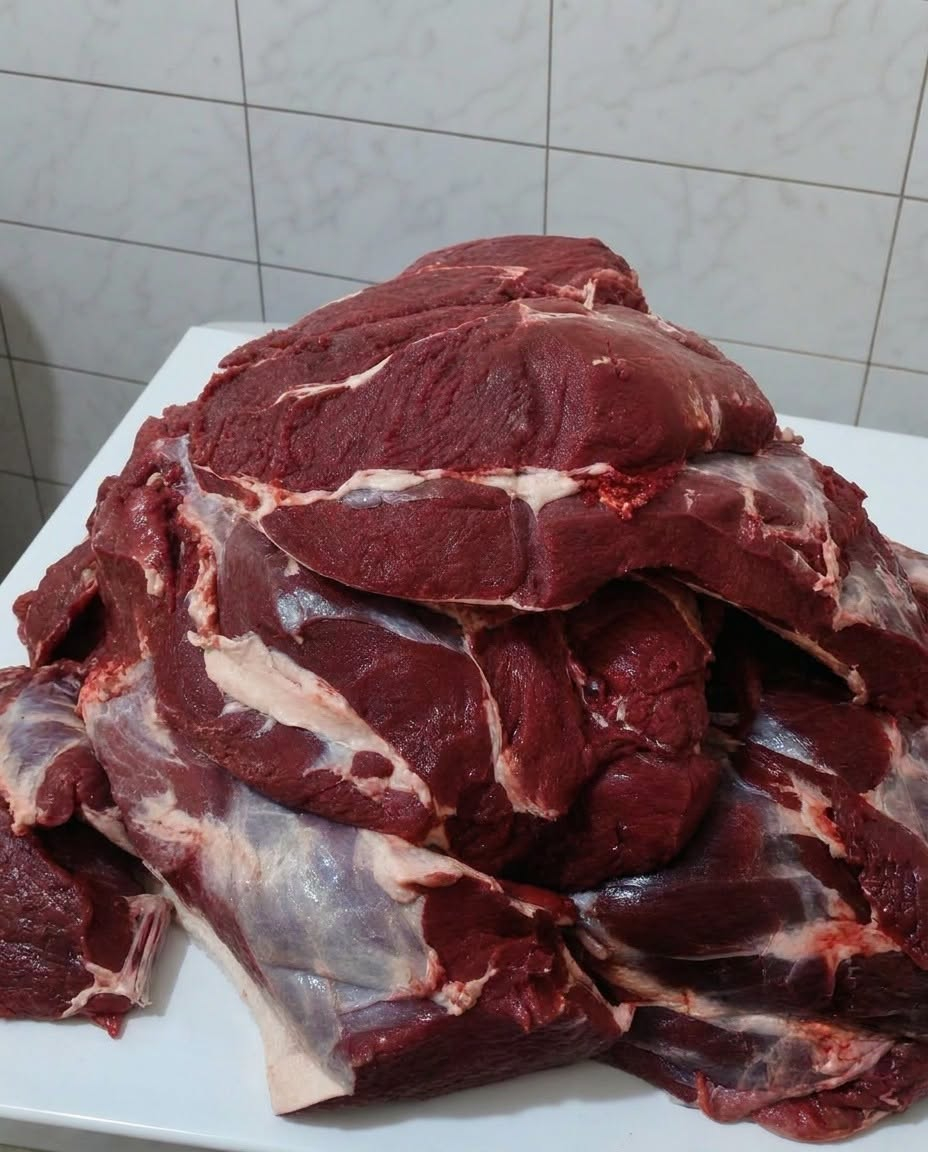
We have all pushed that metal shopping cart down the chilled meat aisle, eyeballing trays of steak under those flattering overhead bulbs. Most shoppers reach directly for the brightest, cherry-red cut on the shelf, assuming that vibrant color guarantees peak freshness. However, relying purely on color when buying supermarket meat is one of the most common and expensive grocery shopping mistakes you can make.
Actually, industrial packaging tricks and retail lighting often mask the real age and quality of raw protein. Once you understand the chemistry behind Modified Atmosphere Packaging and spot hidden label tricks like saltwater injection, you will shop like a seasoned butcher and save serious money every week.
The Cherry-Red Illusion: How Supermarket Meat Deceives Your Eyes
Freshly butchered beef is naturally a dark, purplish-maroon shade because the core muscle protein, myoglobin, has not yet bound with ambient air. When meat processors introduce high levels of oxygen during packaging, that deep purple transforms into bright cherry-red oxymyoglobin. Consequently, an older cut bathed in synthetic gas mixtures can look shockingly fresh while its texture quietly degrades.
Furthermore, grocery departments intentionally install specialized pink-and-white balanced LED lighting strips directly above the display cases. These custom light spectrums neutralize natural gray or brown undertones, making even tired cuts appear succulent and newly cut. If you want to see the true color of your steak, pull the package out into the main aisle under standard white fluorescent light before placing it in your cart.
3 Hidden Supermarket Meat Tricks That Cost You Money
Cosmetic packaging is only part of the puzzle. Commercial processors use several subtle packaging and processing methods that quietly reduce value for your dollar.
- The “Plumping” or Broth-Injection Game: Many commercial poultry and pork packages contain up to 15% added saltwater solution or broth. Look closely at the fine print: if the label reads “enhanced with up to a 12% solution,” you are literally paying full price per pound for tap water and sodium.
- The Carbon Monoxide Flush: Low-oxygen barrier trays frequently incorporate trace amounts of carbon monoxide to lock in a permanent red hue. This cosmetic flush prevents the natural browning that occurs over time, meaning the meat looks fresh long past its peak flavor window.
- The Purge Factor: When meat sits in a refrigerated display case for extended periods, damaged cell walls rupture and weep liquid into the bottom pad. If the absorbent liner is soaked and heavy, the meat has lost its internal juiciness and will turn out dry in the pan.
The 4-Step Freshness Test: How to Inspect Every Cut
To avoid taking home spoiled or low-grade protein, run through this quick tactile inspection process before walking to the checkout register.
Step 1: Check the Seal Integrity
Examine the clear plastic film for any pinholes, tears, or loose corners. If the plastic wrap appears puffy and ballooned, bacteria have likely generated gas inside the container, indicating immediate spoilage.
Step 2: Perform the Touch Test
Gently press the surface of the meat through the plastic with your index finger. High-quality cuts should feel firm, dense, and spring back quickly, whereas decaying fibers feel mushy, spongy, or sticky beneath the film.
Step 3: Read the Real Inspection Grades
Do not be distracted by vague marketing terms like “butcher’s cut,” “pasture-raised,” or “farm-fresh.” Instead, verify official stamps such as USDA Prime, Choice, or Select. Prime cuts display rich, spiderweb marbling throughout the muscle, while Choice offers solid quality for everyday weeknight meals.
Step 4: Sniff Out the Truth at Home
Once you unpack your groceries on the kitchen counter, rely on your nose before starting your skillet. Fresh protein carries a clean, faint, metallic aroma. If you catch even a subtle hint of ammonia, vinegar, or sharp sourness, discard the food immediately.
Smart Storage and Prep: Protecting Your Groceries at Home
Bringing high-grade ingredients home is only half the battle. Maintaining the cold chain in your kitchen keeps food safe and locks in rich flavor for days or months to come.
First, verify that your home refrigerator holds a steady internal temperature at or below 38 degrees Fahrenheit. If raw protein sits in the temperature danger zone between 40 and 140 degrees Fahrenheit for more than two hours, harmful bacteria multiply rapidly.
Second, transfer bulk purchases into heavy-duty commercial vacuum sealer bags rather than leaving them in flimsy grocery styrofoam trays. Standard store plastic wrap allows microscopic air leaks that cause aggressive freezer burn within three weeks. Removing all oxygen with a vacuum sealer preserves pristine texture for up to two full years in deep cold storage.
Third, always use a dedicated color-coded cutting board and an ultra-fast instant-read digital meat thermometer during prep and cooking. Verifying exact internal temperatures ensures your food is completely safe without overcooking premium cuts into dry leather.
Common Grocery Shopping Mistakes to Avoid
Many smart shoppers still lose money through simple oversights in the checkout line. For instance, grabbing raw chicken early during a 45-minute shopping trip lets it sit warm in your cart. Always make the butcher counter your very last stop before the cash register.
Additionally, placing raw poultry packages directly on top of fresh produce in your cart invites cross-contamination from leaking fluids. Always slide individual protein packages into clear plastic produce bags before stacking them beside leafy greens or sandwich bread.
Ultimately, getting the best value on supermarket meat requires ignoring flashy lighting and inspecting the unvarnished facts. By checking packaging seals, watching out for injected saline solutions, and managing food temperatures properly at home, you will consistently enjoy safer meals, better flavor, and lower grocery bills.