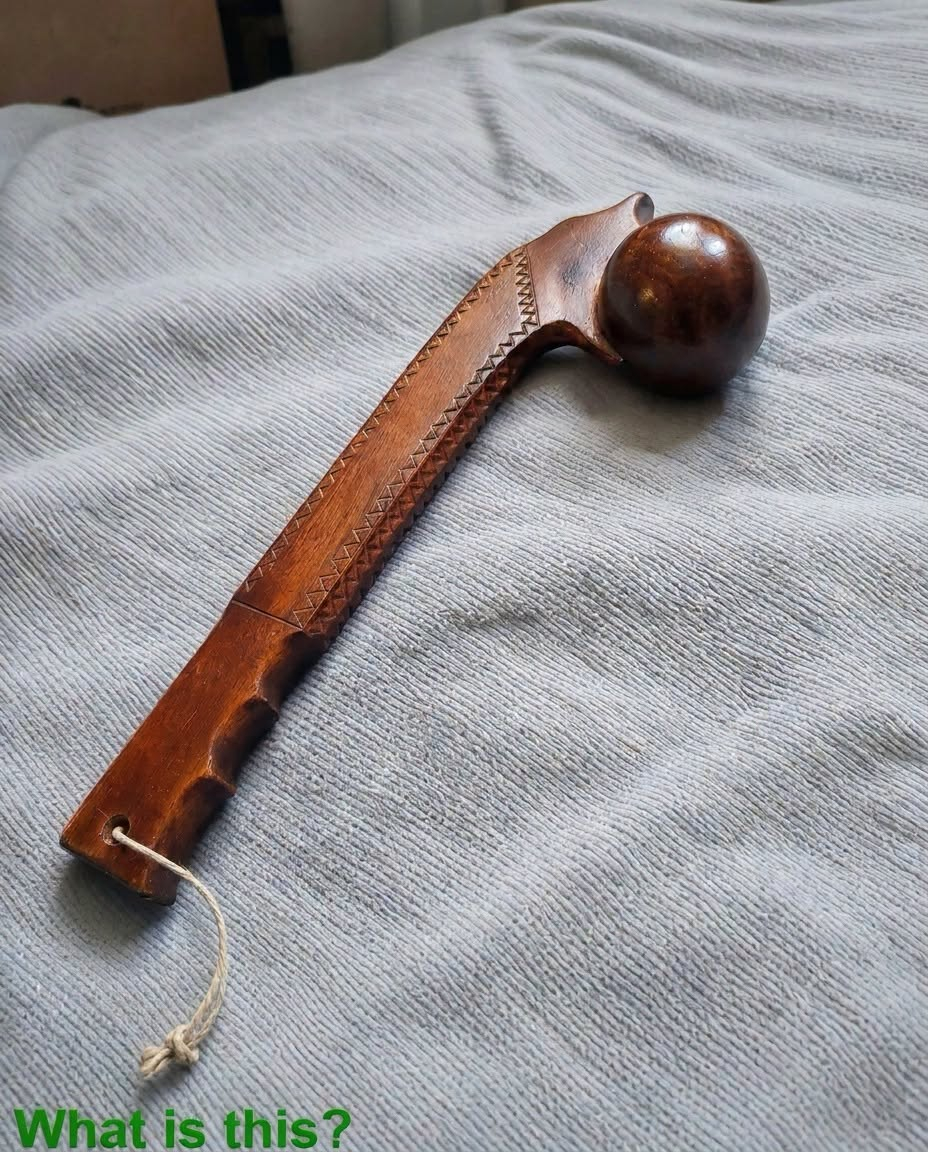
You know that electric rush when you are digging through a dusty wooden crate at a weekend estate sale and pull out a heavy, unmarked brass cylinder. You give it a slight shake, and you feel that unmistakable internal click of a hidden mechanical chamber. Stumbling upon an antique metal object with secret compartments or seized mechanical threads happens far more often than you might think at flea markets and garage sales.
Actually, nineteenth-century surveying tools, geodetic markers, puzzle containers, and pocket time capsules often hide behind layers of oxidized grime. Before you grab a hammer or force a stuck seam with pliers, take a breath. Forcing historic brass or precision-threaded alloy ruins both the mechanism and its potential collector value. Here is your step-by-step blueprint to identify, safely unseal, and restore those mysterious metal finds without wrecking the historical treasure inside.
Decoding the Artifact: What Is That Mysterious Metal Cylinder?
Before attempting to turn, twist, or pry any joint, you need to understand what you are holding. Old brass and steel items generally fall into four common historical categories:
- Surveying Markers & Geodetic Benchmarks: Cartographers and civil engineers frequently used airtight brass capsules to protect handwritten coordinates, datum logs, and transit charts in the field.
- Victorian Puzzle Boxes & Trick Lock Cylinders: Machinists in the late 1800s crafted pocket-sized puzzle containers featuring counter-rotational springs, hidden pins, and dual-axis locking tracks.
- Apothecary & Field Vials: Doctors and field naturalists used shockproof threaded brass sleeves to protect delicate glass medicine vials or botanical samples.
- Machinist Gauges & Plumb Bob Cases: Precision brass cases were manufactured to protect delicate plumb bob points, leveling screws, or calibrated steel pins from moisture and drops.
However, when decades of dust and surface oxidation accumulate along the hairline seams, these tools freeze solid. As a result, they end up looking like solid, decorative paperweights to the untrained eye.
Essential Tools for Opening Stuck Antique Metal Hardware
Never attack vintage metal with brute force. Stripping fine metric or imperial threads destroys the piece instantly. Instead, gather these specialized, non-marring tools before you begin your restoration workbench setup:
- Synthetic Micro-Penetrating Lubricant: Avoid generic spray lubes that leave gummy residues. Use a dedicated low-viscosity synthetic penetrating oil designed to dissolve dried grease without harming brass.
- Precision Brass Calipers & Magnifiers: An illuminated jeweler’s loupe or a 10x LED magnifying lamp helps you spot microscopic seams, maker’s marks, and alignment crosshairs.
- Non-Marring Strap Wrenches: Rubberized strap wrenches provide powerful rotational torque across cylindrical brass bodies without gouging the soft metal surface.
- High-Frequency Ultrasonic Cleaner: Submerging metal casings in a heated ultrasonic bath filled with distilled water and mild citrus detergent breaks up internal mineral buildup rapidly.
- Precision Stainless Steel Tweezers: Long, rubber-tipped craft tweezers allow you to extract delicate glass vials or yellowed parchment documents without tearing fragile edges.
Step-by-Step: How to Safely Unseal a Frozen Metal Chamber
Patience is your best friend when handling seized threads. Follow this methodical sequence to free up internal components without crushing delicate historical contents.
1. Clear Away Surface Oxidation
Begin by wiping the outer casing with a soft microfiber cloth dipped in warm, soapy distilled water. For stubborn surface grime, gently brush the ridges with a soft-bristled nylon detailing brush. Avoid harsh wire wheels or steel wool, which permanently scratch aged brass patina.
2. Apply Micro-Penetrating Fluid to the Seams
Locate the faint hairline division between the body and the cap. Using a fine-tipped needle oiler, apply two drops of penetrating lubricant directly along the joint. Let the object rest vertically for at least four to six hours so capillary action pulls the fluid deep into the internal threads.
3. Use Gentle Thermal Expansion
If the threads remain stubborn, thermal physics will do the heavy lifting for you. Soak the lower half of the cylinder in ice water for three minutes, then apply gentle warmth to the outer top cap with a household hair dryer. The thermal differential expands the outer collar while keeping the inner sleeve slightly contracted, breaking the mechanical seal with a satisfying click.
4. Inspect and Extract the Interior Contents
Once the cap begins to unscrew, turn it slowly to avoid pinching any internal shock-absorbing wool, wax seals, or cork stoppers. Work directly over a padded felt tray so loose components or glass ampoules do not roll off your workbench.
Field Guide: Preserving Paper, Parchment, and Glass Finds
Finding a rolled document or glass vial inside an airtight antique container is an incredible thrill. However, sudden exposure to dry room air can cause brittle 100-year-old parchment to crack or curl rapidly.
First, never force a tightly rolled scroll open with dry fingers. Place the document inside a homemade humidification chamber—a plastic storage container with a damp sponge resting in a small separate cup—for twenty-four hours to restore fiber flexibility.
Second, keep old iron-gall ink documents away from direct sunlight. Handle historical records with clean cotton gloves to prevent skin oils from degrading the paper fibers over time.
Finally, store your newly discovered artifact in an archival-grade display box alongside an acid-free document sleeve to protect both the casing and its story for years to come.
Mistakes to Avoid When Cleaning Vintage Metal Discoveries
Many amateur restorers destroy valuable historical finds through rushed cleanup jobs. For instance, dipping vintage brass directly into harsh household bleach or undiluted muriatic acid strips away the historic age patina, turning the metal an unappealing salmon pink.
Additionally, using metal pliers directly on bare brass leaves permanent jaw gouges that slash the item’s resale value. Always wrap the contact points with heavy leather strips or electrical tape before applying leverage.
Ultimately, unearthing an antique metal object turns an ordinary weekend thrifting trip into a fascinating historical investigation. By taking your time, using non-abrasive tools, and respecting precision engineering, you can reveal the lost secrets of mechanical history right from your own home workshop.