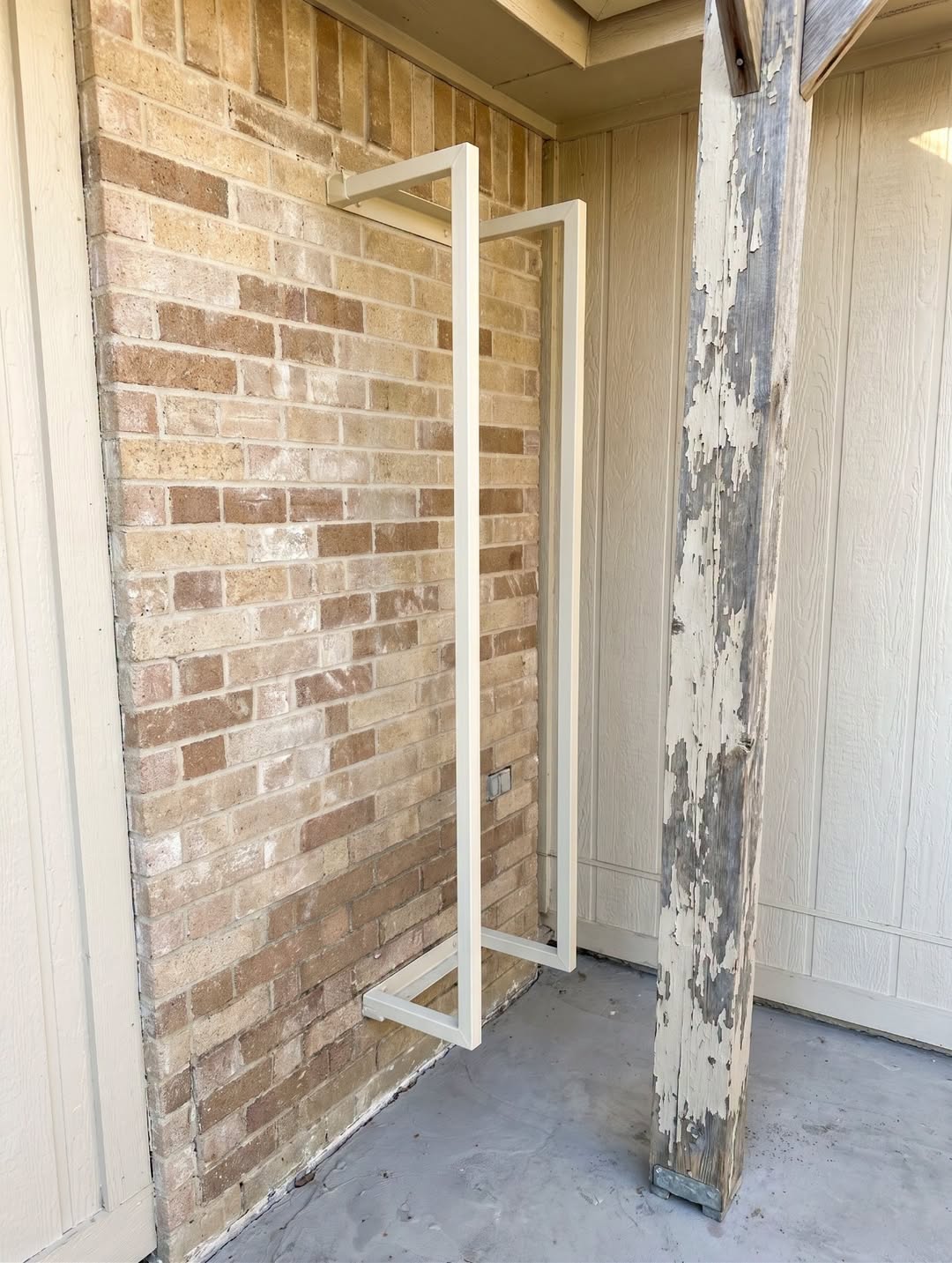
Why Are Firewood Racks Mounted on Homes?
That tidy stack of firewood clinging to the side of a house isn’t just there to make the yard look organized. A wall-mounted firewood rack solves a surprisingly annoying problem: where do you put a heavy, messy pile of logs when you don’t want it eating half the patio? By lifting firewood off the ground and using otherwise wasted wall space, the right rack can keep logs cleaner, easier to reach, and less likely to become a soggy pile after the next storm.
Why a Wall-Mounted Firewood Rack Makes Sense
The biggest job of a wall-mounted firewood rack is simple: get the logs off the soil. Ground contact keeps the bottom pieces damp, reduces airflow, and can create a cozy hiding place for insects and other unwanted visitors.
Once the wood is raised, air can move underneath the stack. That does not magically dry freshly cut logs, but it helps seasoned firewood stay in better condition. For best results, store properly seasoned wood in a spot with good airflow rather than squeezing the pile against a wall.
There is another benefit people notice immediately: floor space. A freestanding pile can creep outward little by little until it takes over a corner of the yard. A wall rack turns vertical space into storage, leaving more room for a path, chairs, planters, or a small outdoor fire pit.
Where Should You Mount the Rack?
Location matters more than fancy hardware. Choose a wall or structure that stays reasonably dry, has good airflow, and does not interfere with doors, windows, vents, utility equipment, or walking routes.
However, don’t treat the wall beside your fireplace or outdoor fire pit as an automatic storage spot. Keep firewood well away from flames, sparks, grills, heaters, and other ignition sources. A convenient rack is not useful if it creates a fire hazard.
Check the Wall Before You Drill
This is where many DIY projects go sideways. A rack loaded with logs can become extremely heavy, so the fasteners must be suitable for the actual wall structure, not simply whatever screws happen to be sitting in the toolbox.
- Wood framing: Locate solid studs and use hardware rated for the load.
- Masonry: Use anchors designed for the specific brick, block, or concrete surface.
- Siding: Do not assume the siding itself can carry the rack. The mounting system needs to connect securely to structural material behind it.
Pro Tip: If you are unsure what is behind the wall, pause before drilling. A stud finder, the rack manufacturer’s installation guide, and advice from a qualified hardware professional can prevent a very expensive repair later.
How to Stack Firewood Without Creating a Wobbly Tower
A good rack still needs a good stack. Start with the largest, most stable pieces on the bottom, then build upward with the cut ends arranged so the pile stays balanced.
Keep the stack snug but not jammed together. Air needs room to circulate between pieces. If you have several rows, avoid building higher than the rack manufacturer recommends just because there is technically room above it.
It also helps to keep the wood slightly below the top edge of the rack. That gives you a little working room when removing logs and reduces the temptation to overload the frame.
Rain Protection: Cover the Top, Not Everything
One common mistake is wrapping the entire woodpile in a waterproof sheet. It sounds sensible, but a tightly sealed cover can trap moisture and restrict airflow.
Instead, think of the cover as a roof. A purpose-built firewood cover, small overhang, or weather-resistant top can shield the stack from rain and snow while leaving the sides open enough for ventilation.
In especially wet climates, check the pile after heavy weather. If the bottom logs feel damp or the wall behind the rack stays wet, improve drainage and airflow rather than simply adding another layer of plastic.
What Size Firewood Rack Do You Actually Need?
Buying a rack based only on its advertised dimensions can be misleading. Firewood varies in length, diameter, and density, so the same physical space can hold very different amounts of wood.
Measure the logs you normally buy or cut first. Then compare those measurements with the rack’s usable interior dimensions, weight rating, and mounting requirements.
- Small rack: Handy for occasional fireplace use or a compact patio.
- Medium rack: A practical choice for regular seasonal use without consuming a large wall area.
- Large rack: Better for households that burn substantial amounts of firewood, provided the wall and hardware can safely support the load.
Remember that capacity is not the same as safe capacity. Follow the manufacturer’s maximum load and installation instructions rather than estimating how much weight the wall “should” handle.
Metal, Wood, or DIY: Which Rack Wins?
Powder-coated steel racks are popular because they are sturdy, relatively low-maintenance, and easy to pair with a separate cover. Look for solid welds, corrosion-resistant finishes, and clear load information.
Wooden racks can blend beautifully with a porch, shed, or cabin-style exterior. They also make a straightforward DIY project, although the lumber should be appropriate for outdoor conditions and the joints need to be strong enough for repeated loading.
DIY budget option: A simple framed rack can cost less than a premium storage system if you already own basic tools and can source suitable lumber and exterior-rated fasteners. However, savings disappear quickly if the rack is undersized, poorly braced, or attached to the wrong part of the wall.
A Quick Cost Breakdown
Before buying, compare the complete project cost rather than the rack price alone. A wall-mounted setup may require the rack, structural fasteners, a weather cover, and possibly a stud finder or masonry drill accessories.
A budget rack with proper mounting hardware can be a sensible solution for light seasonal use. For heavier storage, spending more on a well-engineered steel rack and appropriate hardware may make more sense than replacing a bent frame later.
Common Firewood Rack Mistakes to Avoid
- Mounting into weak material: Decorative siding or thin sheathing is not a substitute for structural support.
- Blocking ventilation: Don’t cover wall vents, HVAC equipment, windows, or access panels.
- Overloading the frame: More logs are not better if the rack has reached its rated capacity.
- Stacking green wood tightly: Fresh wood needs time and airflow to season properly.
- Sealing the whole pile: A waterproof roof works better than a plastic cocoon in many situations.
- Ignoring drainage: Keep the bottom of the rack clear of standing water and soggy soil.
Is a Wall-Mounted Firewood Rack Worth It?
For a home with limited outdoor space, the answer is often yes. A wall-mounted firewood rack keeps logs raised, uses vertical storage, and makes the pile much easier to organize than a heap on the ground.
Still, the rack is only one part of good firewood storage. Properly seasoned wood, open airflow, sensible rain protection, secure mounting, and safe distance from ignition sources all matter.
So, why is this simple setup showing up on so many homes? Because it solves several everyday annoyances with one compact piece of equipment. When a wall-mounted firewood rack is sized correctly, securely attached, properly ventilated, and kept safely away from flames, that formerly awkward pile of logs becomes orderly storage instead of another weekend chore.