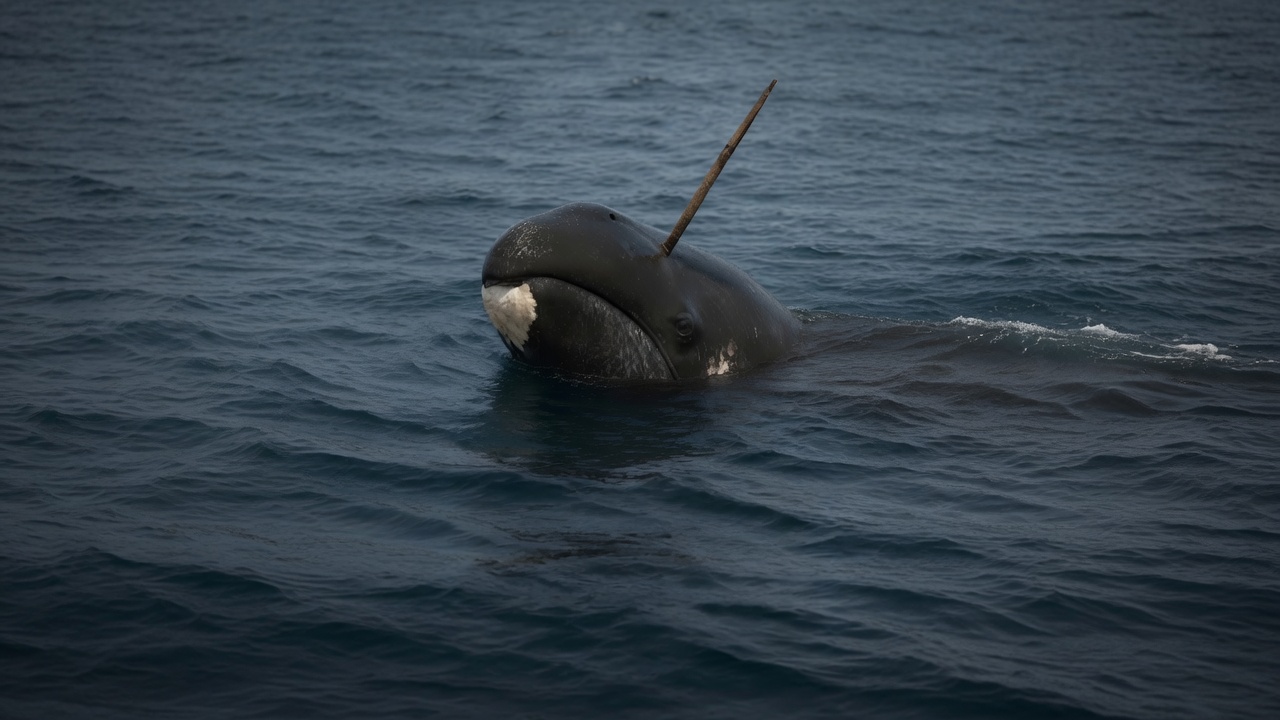
Imagine swimming through the cold Arctic waters for more than a century — carrying an old wound from a weapon made when Queen Victoria still ruled England. Sounds like something from a movie, right? But this is a true story.
A Remarkable Discovery in Alaska
In May 2007, a group of Iñupiat whalers in Barrow (now called Utqiaġvik), Alaska, harvested a large bowhead whale as part of their legal subsistence hunt. While they were carefully butchering the massive animal, they made an astonishing discovery.
Deep inside the whale’s blubber, near its neck and shoulder area, they found a 3.5-inch fragment of an old explosive harpoon — a “bomb lance” tip. Scientists later confirmed it was manufactured in New Bedford, Massachusetts, between the 1880s and 1890s. That means this whale had been carrying that painful reminder for well over 115 to 130 years.
The whale was estimated to be around 115–130 years old when it was harvested. It had lived a long, remarkable life despite the old injury.
How Did the Whale Survive So Long?
Bowhead whales are built for survival in the harsh Arctic environment. They have incredibly thick blubber — up to 1.5 feet thick in some places — which protected the whale’s vital organs from the harpoon. The fragment became embedded but didn’t cause a fatal infection or major damage.
These gentle giants can grow up to 60 feet long and weigh up to 100 tons. They are slow swimmers but incredibly strong and resilient. This particular whale managed to avoid other hunters and natural dangers for more than a century while continuing to live, feed, and migrate through the icy waters.
Why This Story Matters
This discovery became huge news in the scientific community. It provided strong evidence that bowhead whales are among the longest-living mammals on Earth. Some studies now suggest they can live 200 years or more.
Before this find, scientists had ways to estimate whale age using special techniques like analyzing the eye lens (aspartic acid racemization). The harpoon fragment helped confirm those methods. It gave researchers a real-world “timestamp” on the whale’s life.
The story also reminds us of the long history of commercial whaling in the 19th century. During the Victorian era, thousands of whales were hunted for oil, baleen, and meat. Many didn’t survive their encounters with humans. But this tough bowhead whale did.
Life in the Arctic
Bowhead whales spend their entire lives in the cold waters around Alaska, Canada, Greenland, and Russia. They use their massive heads to break through thick sea ice so they can breathe. They feed on tiny zooplankton by swimming with their mouths open, filtering food through their long baleen plates.
They are known for their beautiful, complex songs and social behavior. Living such long lives means these whales carry knowledge and memories across many human generations.
A Story of Resilience
Think about it — this whale was probably first struck sometime in the late 1800s. At that time, there were no cars, no airplanes, no internet. Yet it survived into the 21st century, into the age of smartphones and space travel.
The old harpoon fragment now sits in a museum, a powerful symbol of both the history of whaling and the incredible endurance of nature.
Stories like this one show us how little we sometimes understand about the animals sharing our planet. They teach us respect for the ocean and the creatures that call it home.
Next time you hear about whales, remember this tough old bowhead that refused to give up — even with a piece of history lodged in its side.
Full Story Sources & Further Reading
- New York Times coverage of the 2007 discovery
- Reports from the New Bedford Whaling Museum
- Scientific papers on bowhead whale longevity
What do you think about this incredible story of survival? Share your thoughts in the comments below. And don’t forget to check back for more amazing real-life stories every day on Story of The Day.
Image and video animated by AI for storytelling purposes. Based on real historical events.