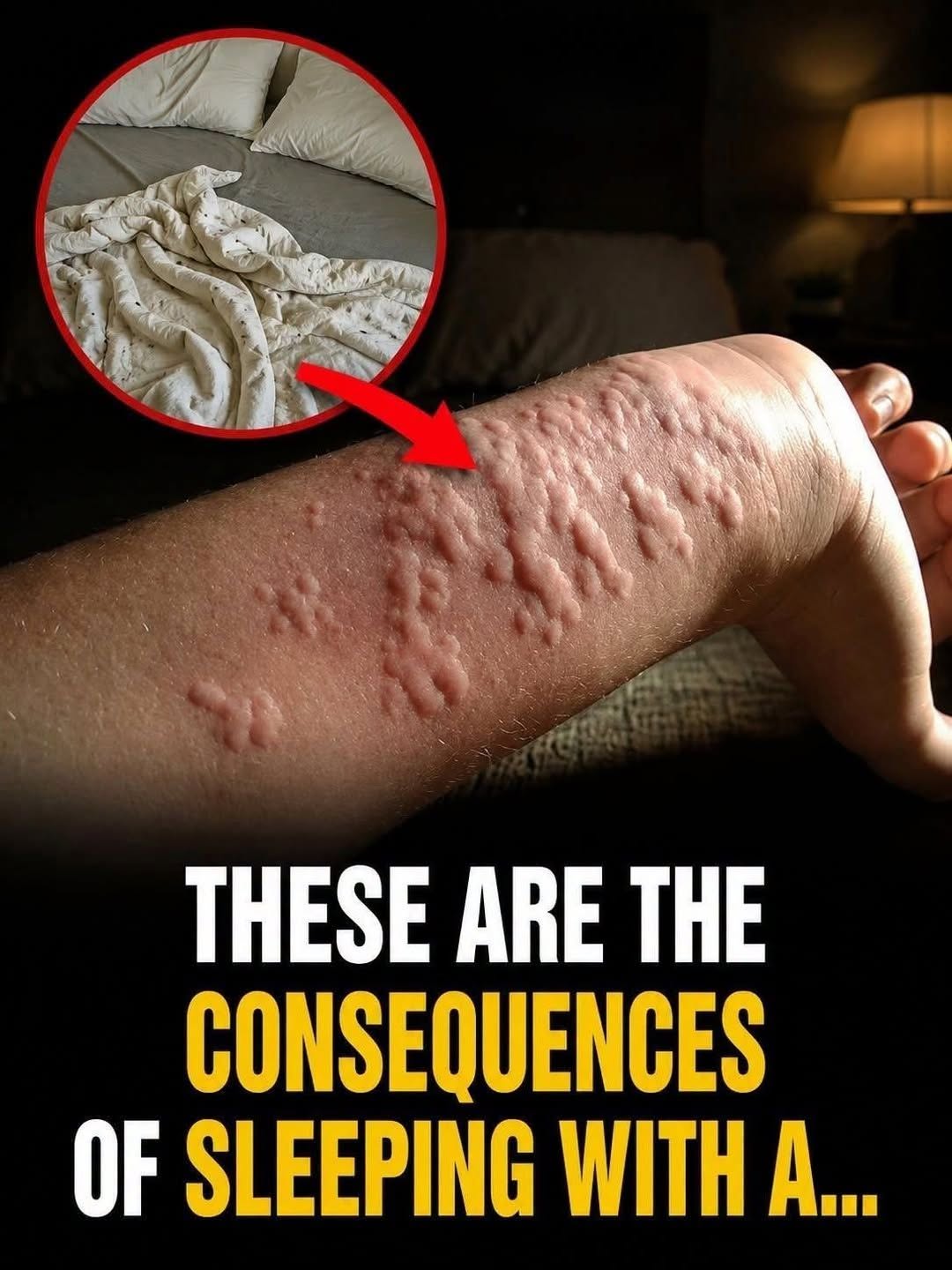
Sleeping With These 5 Things? Read This Tonight
There is nothing quite like crawling into bed after a long day—until you wake up with irritated skin, a stiff neck, or a pillow that smells like yesterday’s dinner. If your nighttime routine includes sleeping with your phone, makeup, damp hair, or an overdue pillowcase near your face, the problem may be hiding in plain sight. The good news? You do not need a complicated 12-step routine to make your bed a cleaner, more comfortable place to sleep.
The “Wrong” Thing in Bed May Be Closer Than You Think
Your bed collects more than dreams. Over time, pillowcases can pick up sweat, skin oils, hair products, moisturizer, dust, and everyday grime. None of that automatically means your pillow is dangerous, but a dirty fabric surface can contribute to irritation, especially if your skin is already sensitive.
Then there is the phone. It travels from kitchen counters to pockets to hands all day, so its surface can collect plenty of germs and residue. However, the common claim that a phone necessarily carries a specific number of times more bacteria than a toilet seat is not a useful rule for your bedroom. What matters more is simple: a frequently handled phone is not something you want pressed against freshly washed skin all night.
Why Your Pillowcase Deserves More Attention
A pillowcase sits against your face for hours. That makes it one of the easiest parts of your nighttime setup to improve.
If you sweat heavily, use hair products, have oily skin, or share a bed with a pet, changing pillowcases more often can make sense. For many people, washing them weekly is a reasonable baseline, while more frequent washing may be helpful when they become visibly dirty or damp.
Pro Tip: Keep two or three spare pillowcases in your linen closet. When one goes into the laundry basket, you can swap it immediately instead of sleeping on the same fabric for several extra nights.
Use the warmest wash temperature recommended by the care label, and dry the fabric thoroughly. Avoid piling a damp pillowcase onto the bed because moisture can make fabrics smell stale and stay uncomfortable.
Do Not Forget the Pillow Itself
A fresh pillowcase cannot completely compensate for a pillow that has absorbed years of sweat, oils, and moisture. Check the manufacturer’s care instructions before washing the pillow, because materials vary widely.
If the pillow has a persistent odor, visible staining, flattened support, or signs of damage, replacing it may be more practical than trying to rescue it. A washable pillow protector is another inexpensive layer between the pillow and your skin.
Your Phone Belongs on the Nightstand
You do not have to ban your phone from the bedroom. Just give it its own spot.
Place it on a clean nightstand rather than under your pillow or directly beside your face. This also helps keep charging heat away from bedding and makes it less tempting to scroll for another hour when you should be sleeping.
Wipe the phone according to the manufacturer’s cleaning guidance. Do not soak ports, speakers, or openings, and never spray cleaning liquid directly into the device.
Easy setup: Put a small phone stand on your nightstand. It creates a dedicated charging spot and keeps the screen from lying on dusty surfaces.
What About Sleeping With Wet Hair?
Going to bed with damp hair is not automatically a skin disaster. Still, a wet head can leave your pillowcase damp for hours, especially if your hair is thick or long.
That extra moisture can make the bed feel clammy and may encourage an unpleasant musty smell. If possible, let your hair dry before bed, or use a clean, absorbent towel on the pillow for a short period while it finishes drying.
Also consider hair products. Oils, styling creams, and leave-in products can transfer from hair to fabric and then back onto your face. If you notice irritation around the forehead, cheeks, or jawline, keeping hair products away from the facial area and changing pillowcases regularly is a sensible experiment.
Hands, Makeup, and the Habits We Forget
Your hands touch doorknobs, keyboards, phones, shopping carts, and dozens of other surfaces. Naturally, rubbing your face repeatedly can transfer dirt and irritants to already sensitive skin.
Try washing your hands before your nighttime skincare routine. Then give your face a gentle cleanse if you have been wearing makeup, sunscreen, or products that need to be removed before sleep.
However, more scrubbing is not better. Harsh cleansers, rough washcloths, and aggressive exfoliation can irritate the skin barrier and leave your face feeling tight or burning. A simple, fragrance-free cleanser may be a better choice for sensitive skin.
A Five-Minute Bedtime Reset
You do not need to turn bedtime into a cleaning project. A short reset is enough.
- Wash your hands before touching your face.
- Remove makeup and cleanse your face gently when needed.
- Move your phone to a clean nightstand or charging stand.
- Replace a damp or visibly dirty pillowcase.
- Let wet hair dry as much as practical before sleeping.
- Keep pets, outdoor clothing, and shoes away from your pillow.
- Wash bedding according to the care labels and your household needs.
Budget-friendly workaround: If buying extra bedding is not in the budget, prioritize clean pillowcases first. They are smaller, easier to wash, and directly contact your face for hours.
Common Mistakes That Can Make Things Worse
One mistake is assuming that every facial bump comes from bacteria on a pillow. Skin problems have many possible causes, including irritation, allergies, acne, eczema, and other conditions. A social-media story cannot tell you which one you have.
Another mistake is immediately reaching for harsh disinfectants or strong treatments. More chemicals do not necessarily mean cleaner skin, and some products can cause additional irritation.
Finally, do not wait indefinitely if a skin problem keeps getting worse. If you develop persistent, painful, spreading, crusting, or unusual skin changes, or if an area does not improve with gentle care, ask a parent or guardian to help you speak with a healthcare professional.
The Bottom Line on Sleeping With the “Wrong” Things
Your bed does not need to be sterile. It just needs sensible habits.
A clean pillowcase, a phone kept off your pillow, reasonably dry hair, washed hands, and gentle facial cleansing can make your nighttime routine more comfortable without turning your bedroom into a laboratory.
Most importantly, do not let a dramatic headline convince you that every blemish means you have a serious infection. Pay attention to persistent changes, keep your bedding reasonably clean, and get professional advice when a skin problem is unusual or does not settle.
The simplest bedtime habits are often the ones you can actually stick with—and that is what makes them worth doing.