“`html
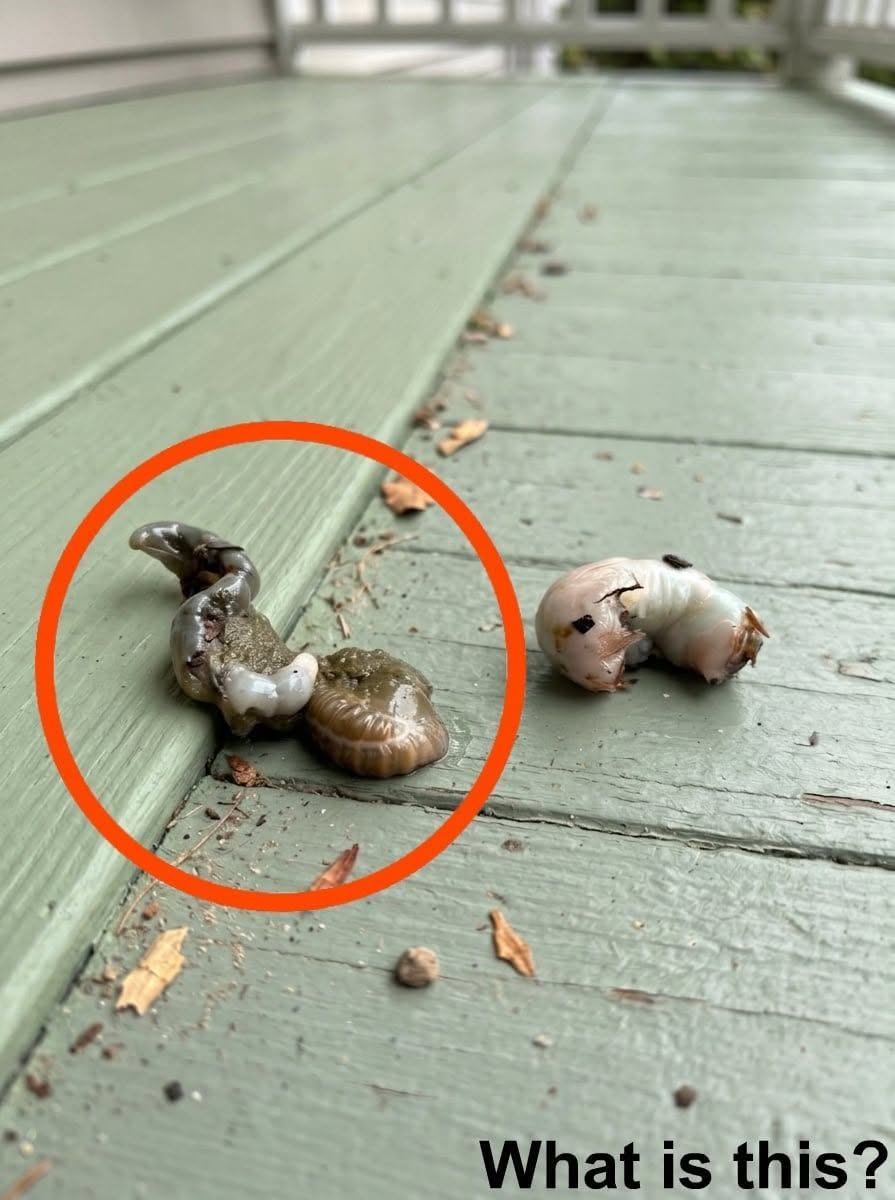
That strange pale shape on your balcony may look like something out of a horror movie, but there is often a much simpler explanation. If you find a pale, segmented grub on a balcony floor, the first step is not panic. It is identification. Beetle larvae can turn up around potted plants, drains, cracks, and outdoor spaces, especially after rain or when birds and other animals pass through.
The Balcony Mystery Wasn’t Nearly as Scary as It Looked
The original story gets one thing right: unfamiliar creatures can make an ordinary morning feel surprisingly unsettling. However, it spends far more time building suspense than helping readers figure out what they actually found.
A pale, soft-bodied larva can look strange because it may have little visible color, few obvious features, and a curled shape. From a distance, it is easy to mistake one for mold, a piece of food, plant debris, or something much more serious.
Before reaching for an exterminator, take a breath and inspect the area. A close look at the shape, legs, texture, and location can tell you much more than a dramatic guess ever will.
What Could Be Hiding in the Potting Soil?
Balcony planters create small ecosystems. Moist potting soil, dead leaves, roots, and organic material can attract insects, and some insects spend part of their life cycle underground.
Beetle grubs are one common possibility. Many have a pale or cream-colored body and a curved shape. Some have small legs near the front of the body, while others are easier to identify from their head shape and body segments.
Still, appearance alone is not enough to identify a larva with certainty. Different insect species can look similar, so avoid making a firm identification from a blurry phone photo.
How to Identify a Pale Grub on a Balcony
If you discover something similar, use your phone camera as a useful inspection tool rather than immediately searching for the scariest-looking insect online.
- Look at the overall shape. Is it straight, curled, flat, fuzzy, or wormlike?
- Check for legs. Tiny legs near the front can help separate some beetle larvae from other larvae.
- Look at the head. A darker head capsule may be visible even when the body is pale.
- Measure it. Use a ruler or compare it with a coin without touching it.
- Check the surroundings. Look inside nearby planters, beneath leaves, around drainage holes, and along balcony corners.
For instance, if several larvae are appearing in one planter, the potting soil deserves your attention. If you find only one specimen near the railing after rain, it may simply have arrived from another location.
Why Rain Can Bring Surprises
Heavy watering and rain can change what is happening inside a planter. Moisture may drive small soil-dwelling creatures closer to the surface, while water can also wash loose organic material toward drainage holes.
Birds are another possible explanation. A bird visiting a balcony or nearby roof can disturb soil or carry small organisms from one place to another. That does not automatically mean you have an infestation.
What to Do When You Find One
If the creature is not obviously dangerous and you simply want it out of your living space, keep the response simple.
Put on household gloves, place a piece of stiff paper or cardboard beside the creature, and gently guide it onto the paper. Then move it to an appropriate outdoor soil area if local conditions allow.
Pro Tip: Do not crush an unknown insect against your balcony tiles just because it looks unpleasant. A quick photo can be far more useful if you later need an identification.
Afterward, inspect the balcony. Remove dead leaves, spilled potting mix, and standing water. Wipe down hard surfaces with a suitable household cleaner, and keep planter drainage holes clear.
When You Should Take a Closer Look
One unusual larva is different from a recurring pest problem. Pay more attention if you repeatedly find larvae, notice damaged plants, see many adult insects around the same planter, or discover large numbers of similar organisms.
At that point, inspect the soil and the plant itself. Look underneath leaves and around the base of stems. If you cannot identify the pest, take several clear photos in good daylight and contact a local extension service, garden center, or qualified pest professional for advice.
Common Mistakes That Make Balcony Pest Problems Worse
The first mistake is spraying everything immediately. Broad insecticide use can kill helpful insects and may be unnecessary when the visitor is harmless or simply passing through.
The second mistake is ignoring the planter. If the source is inside damp potting soil, cleaning the tiles will not solve the underlying issue.
Another common mistake is overwatering. Constantly wet soil can create conditions that attract certain pests and can also stress balcony plants. Check the moisture level before watering instead of following a rigid schedule.
Finally, do not rely on one blurry photograph. Search results can be misleading, especially when several larvae share similar shapes.
A Simple Balcony Pest-Check Routine
You do not need an expensive pest-control kit to keep a balcony tidy. A few inexpensive supplies can make inspections easier: household gloves, a small flashlight, a hand lens, a ruler, paper towels, and a basic plant-care notebook.
- Check planters once a week for unusual insects or plant damage.
- Remove fallen leaves before they collect in damp corners.
- Make sure drainage holes are not blocked.
- Keep bags of potting soil sealed and dry when stored.
- Clean spilled soil from balcony tiles and furniture.
- Photograph unfamiliar insects before removing them.
For apartment gardeners, this routine costs very little compared with repeated pest-control treatments. It also gives you a record of changes, which can be surprisingly helpful when a problem keeps returning.
Do You Need Professional Pest Control?
Usually, a single unidentified grub does not justify turning the balcony into a chemical treatment zone. However, recurring pests, extensive plant damage, or insects entering the home are good reasons to ask for professional guidance.
If you rent an apartment, check your building’s pest-control policy before using any strong product. Also follow the label instructions for any household or garden treatment, especially around children, pets, edible plants, and shared outdoor spaces.
The Real Lesson Behind the Balcony Discovery
The most useful part of this story is not the scare. It is the reminder to slow down before deciding that an unfamiliar object is dangerous.
A pale grub on a balcony can look bizarre under harsh morning light. Yet once you inspect the details, the mystery often becomes much less dramatic.
So, the next time you spot a strange shape beside your planter, resist the urge to imagine the worst. Take a photo, check the surroundings, clean up the area, and identify the visitor before choosing a treatment.
Finding a pale, segmented grub on your balcony does not automatically mean you have an infestation. Sometimes it is simply a small soil-dwelling creature that ended up in the wrong place. A calm inspection can tell you far more than panic ever will.
“`