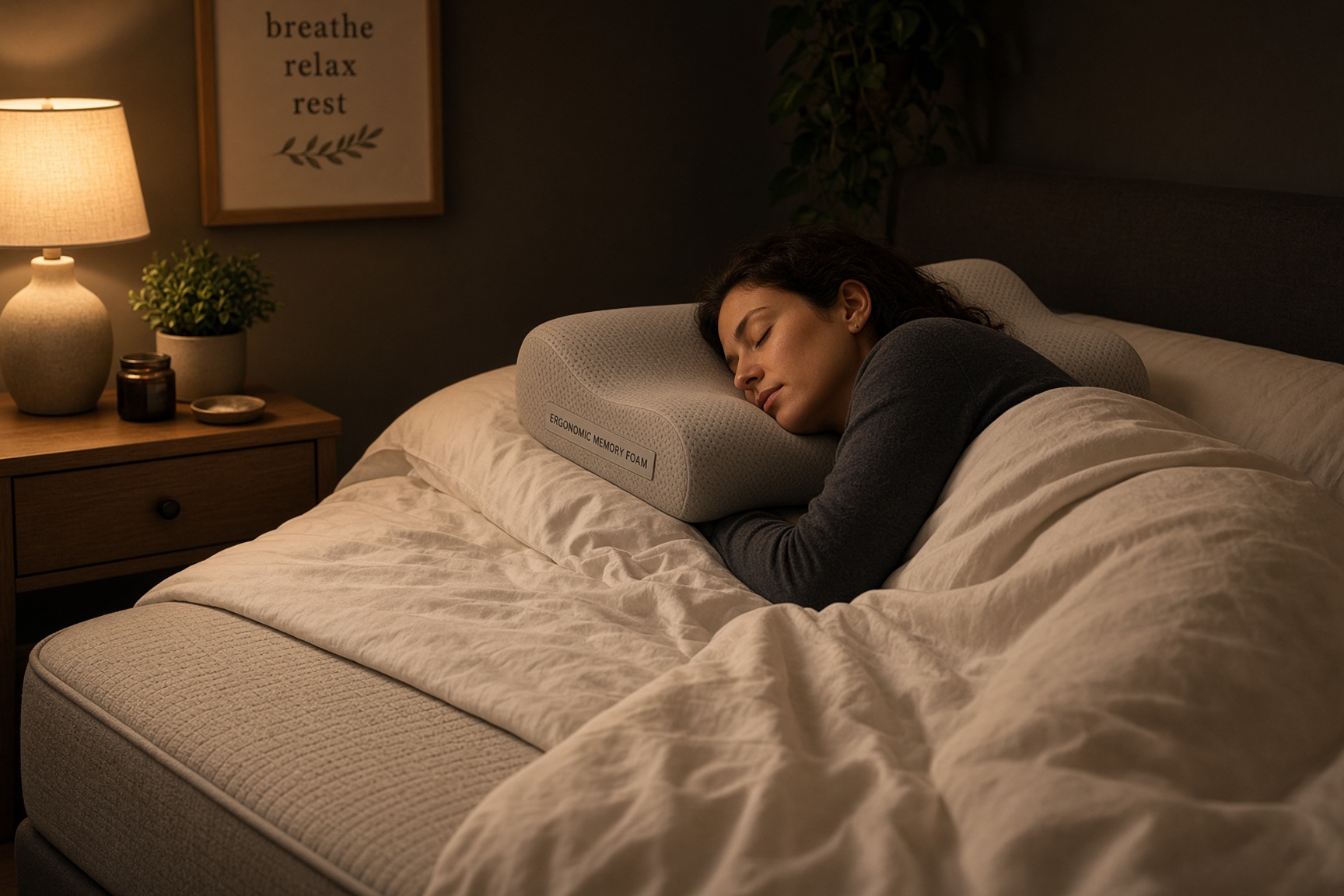
You know the drill all too well. Your head hits the pillow, your body feels exhausted, but your brain suddenly decides to review every awkward conversation you had in 2014. Meanwhile, your partner rolls over and falls into a deep, peaceful slumber within thirty seconds flat.
Staring at the ceiling while the clock ticks past midnight is pure frustration. Fortunately, learning how to use the military sleep method can help you break that exhausting cycle for good. This fast-acting relaxation technique trains your central nervous system to shut down racing thoughts and drift off in two minutes flat.
What Is the Military Sleep Method?
The system actually originated during World War II. Running on fumes and high stress, service pilots made costly tactical errors due to chronic fatigue. So, athletic coach Lloyd Bud Winter designed a reliable, scientifically grounded relaxation protocol for the military flight school.
His goal was straightforward and bold. He wanted pilots to fall asleep in six minutes or less under extreme conditions, even while sitting upright in a noisy cockpit. As a result of daily practice, roughly 96 percent of pilots mastered the drill within six weeks.
Today, this routine remains one of the best drug-free techniques for chronic night owls and light sleepers alike. You do not need battlefield conditions to benefit from it. In fact, applying it on a supportive hybrid mattress in a dark bedroom makes it work even better.
Step-by-Step: How to Master the 2-Minute Routine
Think of this exercise as a full physical shutdown sequence for your body. Work your way downward from your forehead to your toes, releasing tension in distinct stages. Follow these exact steps tonight.
1. Completely Relax Your Face and Jaw
Start by closing your eyes gently. Focus all your attention on your facial muscles, including your forehead, eyebrows, cheeks, and eyelids. We hold immense unconscious stress right between our brows without realizing it.
Next, let your jaw drop open slightly. Allow your tongue to sit limp at the bottom of your mouth. Soften the small muscles around your eye sockets and breathe smoothly through your nose.
2. Drop Your Shoulders and Release Your Arms
Now, let your shoulders drop as low as humanly possible. Let them sink down toward your hips like heavy weights. This instantly relieves the tightness stored in your upper traps and neck.
Focus on your dominant arm first. Release your bicep, your forearm, your wrist, and your fingers. Then, repeat the exact same sequence on your other arm until both limbs feel limp beside you.
3. Exhale and Soften Your Chest
Take a slow, deep breath into your belly. As you exhale, imagine your ribcage settling deep into your memory foam mattress topper. Release any lingering tightness across your lungs and abdomen.
Keep your breathing steady and rhythmic. Naturally, a slow exhale triggers your parasympathetic nervous system, lowering your heart rate and signaling to your brain that you are completely safe.
4. Relax Your Legs, Knees, and Feet
Shift your mental focus down to your lower half. Start by releasing your right thigh, allowing the quad and hamstring to turn heavy and loose. Move down through your right calf, ankle, and foot.
Repeat the identical sequence for your left leg. At this point, your entire body should feel like it is sinking comfortably into the bed. Every major muscle group is now completely disengaged.
5. Clear Your Mind for 10 Seconds
Once your body is limp, you must calm your mental chatter. Hold your mind still for ten seconds. If random thoughts barge in, choose one of these three proven visualization anchors:
- The Calm Lake: Picture yourself lying flat in a small canoe floating on a still, glassy lake under a clear blue sky.
- The Velvet Hammock: Imagine resting in a plush, black velvet hammock inside an empty, pitch-black room.
- The Mental Reset Phrase: Silently repeat the phrase “don’t think, don’t think, don’t think” in your head for ten steady seconds.
Optimize Your Sleep Sanctuary for Faster Results
Physical relaxation techniques work best when your bedroom environment supports natural sleep hygiene. If your room is too warm or filled with ambient light, your body struggles to produce melatonin. Here is how to prep your space for success.
Dial In Your Bedroom Temperature
Your core body temperature must drop slightly to initiate quality rest. Therefore, keep your thermostat set between 65 and 68 degrees Fahrenheit. Using breathable bamboo sheets or a cooling mattress pad helps regulate your body heat all night long.
Eliminate Light and Disruptive Noise
Streetlights and electronics trick your brain into staying alert. Hang heavy blackout curtains to keep your bedroom dark, or wear a contoured silk sleep mask. To block barking dogs or traffic, run a white noise machine or a soothing evaporative humidifier.
Support Your Spine Alignment
You cannot relax your muscles if your neck is twisted at an awkward angle. Invest in an adjustable ergonomic pillow that cradles your neck properly. Proper spinal alignment prevents morning stiffness and speeds up physical relaxation.
Troubleshooting: What If It Doesn’t Work Right Away?
Do not get discouraged if you try this tonight and stay awake for an hour. Remember, military pilots practiced this physical conditioning daily for six full weeks before hitting that 96 percent success rate.
If your mind keeps racing during the visualization step, do not fight the thoughts aggressively. Acknowledge the stray thought, let it drift away like a passing cloud, and gently return your focus to your slow abdominal breathing.
Additionally, avoid looking at the clock when you wake up in the middle of the night. Checking the time triggers math anxiety about how few hours remain before your alarm rings. Instead, simply restart the facial relaxation steps right where you lie.
Quick Daily Habits That Boost Your Sleep Quality
Your daytime habits directly dictate your nighttime success. Making a few minor adjustments to your daily routine will amplify this relaxation technique significantly.
- Cut Off Caffeine Early: Stop drinking coffee and energy drinks at least eight hours before bedtime.
- Get Morning Sunlight: Step outside for ten minutes of natural sunlight right after waking to set your circadian rhythm.
- Ditch Blue Light Screens: Put away your smartphone and tablet sixty minutes before bed, or use amber blue-light blocking glasses.
- Sip Soothing Herbal Tea: Enjoy a warm cup of chamomile tea or take a magnesium glycinate supplement before climbing into bed.
Final Thoughts on Beating Nighttime Restlessness
Falling asleep fast is a physical skill you can train, not an elusive genetic lottery. By practicing the military sleep method consistently each night, you rewire how your body responds to bedtime stress. Give your body the time and patience it needs to build this habit, and look forward to waking up truly refreshed.