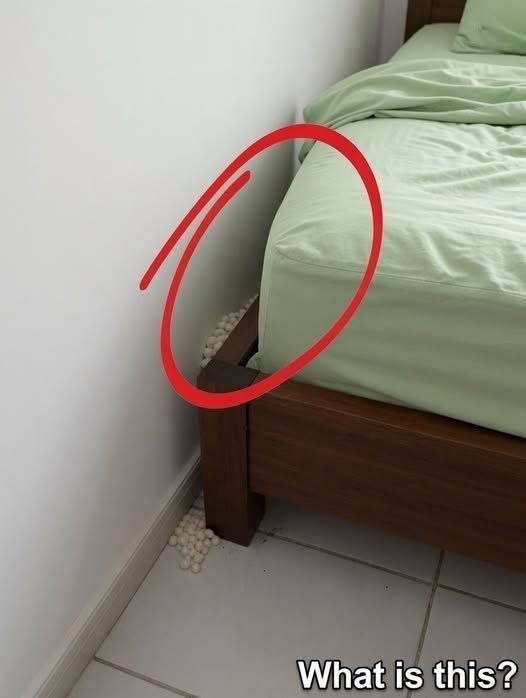
You pull the bed away from the wall, expecting a missing sock, and there they are: tiny white balls tucked beside the baseboard. Finding white lizard eggs near the bed feels wildly unfair. The bedroom is supposed to contain pillows and phone chargers, not a surprise reptile nursery.
Before you grab the vacuum or disinfectant spray, pause. The objects may be lizard or gecko eggs, but several ordinary household items look surprisingly similar. A calm five-minute inspection can prevent a messy cleanup, accidental wildlife harm, and an unnecessary pest-control bill.
Are Those White Lizard Eggs Near the Bed?
Lizard eggs are commonly white, cream, or pale beige. Depending on the species, they may feel leathery, slightly chalky, or firm, and many small house geckos lay only one or two at a time.
However, a larger cluster does not automatically rule out lizards. Several females may reuse the same sheltered nesting spot, especially when it stays warm, dry, and undisturbed.
- Likely lizard eggs: Usually oval or nearly round, opaque, and grouped in a protected crack, drawer, cabinet, or wall edge.
- Snail or slug eggs: Often translucent, jelly-like, and found in damp soil, wet plant trays, or persistently moist corners.
- Spider egg sacs: Typically wrapped in silk, fuzz, or a papery covering rather than appearing as bare shells.
- Moth cocoons: Usually fibrous and may contain lint, hair, or fabric threads.
- Foam beads or filler: Extremely lightweight, identical in size, and easy to dent or roll.
- Rodent bait: Often dyed, manufactured into uniform pieces, and potentially poisonous to children and pets.
Pro Tip: Place a ruler beside the objects and take clear photographs from several angles. Do not pick them up for a better shot. Size, surface texture, location, and nearby droppings will help a wildlife professional make a faster identification.
Why Would a Lizard Choose Your Bedroom?
No, the lizard did not critique your housekeeping and choose the bedroom out of spite. Small reptiles follow shelter, warmth, and food. A quiet gap behind a bed frame can offer all three.
Actually, the bigger clue may be insect activity. Moths around a lamp, mosquitoes near a window, ants along the baseboard, or roaches behind furniture can turn a bedroom into a dependable feeding stop.
Lizards may enter through torn window screens, gaps beneath exterior doors, openings around air-conditioning lines, loose vents, roof edges, or cracks where pipes pass through walls. Once inside, they seek places that remain still for days at a time.
That explains why eggs appear behind headboards, beneath rarely moved furniture, inside dresser drawers, near curtain folds, or among cardboard boxes. These areas are sheltered from rain, direct sun, pets, and foot traffic.
What to Do Before You Touch Anything
First, keep children and pets away. Close the bedroom door if possible, place a towel against the bottom gap, and avoid moving furniture until you understand where the eggs and adult lizard may be hiding.
- Photograph the scene. Capture the eggs, surrounding surfaces, nearby gaps, and any droppings without changing their position.
- Estimate the size. Use a ruler in the photo rather than holding an egg in your hand.
- Count the objects. Record the date and number because another clutch may appear later.
- Look for supporting signs. Check for small dark droppings with a pale tip, shed skin, insect remains, or a lizard slipping along the wall.
- Contact the right expert. Try a local wildlife rehabilitator, animal control office, extension service, or reptile-aware pest management company.
Do not rotate suspected reptile eggs. After development begins, changing their orientation may harm the embryo. Likewise, do not shake, candle, warm, incubate, or attempt to hatch unidentified eggs.
Pro Tip: Before hiring anyone, ask whether the company uses humane wildlife exclusion rather than glue traps or broad pesticide spraying. A low quote is not a bargain if it leaves the entry hole open and the insects untouched.
The Cleanup Plan After Professional Guidance
Once an expert confirms that removal is appropriate, wear disposable gloves and follow that person’s handling instructions. Local wildlife rules differ, and some native species or nesting sites may be protected.
If droppings are present, do not dry sweep them or run an ordinary vacuum over them. Dry debris can become airborne. Instead, ventilate the room, keep pets out, and lightly dampen the affected hard surface with a suitable household disinfectant used according to its label.
Allow the required contact time before wiping with disposable paper towels. Then place the waste in a sealed bag, wash reusable tools, remove gloves, and scrub your hands with soap and water.
Launder washable bedding on the warmest setting allowed by the care label. For mattresses, upholstery, or carpeting, use a HEPA-filter vacuum only after visible contamination has been safely removed and the area is dry. Significant contamination may justify a professional upholstery cleaner or wildlife sanitation service.
People who are immunocompromised, pregnant, highly allergic, or managing a respiratory illness should avoid direct cleanup. Reptiles can carry germs even when they look healthy, so ordinary hygiene matters more than aggressive chemical spraying.
Seal the Entry Point Without Trapping the Lizard
Removal fixes today’s surprise. Exclusion prevents the sequel.
However, do not seal every crack while an adult lizard may still be inside. Ask the removal professional whether a one-way exit, temporary monitoring, or another humane method is needed first.
- Windows: Repair torn mesh with a screen patch kit or install tightly fitted replacement screens.
- Doors: Add an adjustable door sweep and replace flattened weatherstripping that leaves visible light gaps.
- Pipes and cables: Fill small openings with exterior-grade silicone sealant; use copper mesh plus sealant for wider gaps where appropriate.
- Vents: Fit wildlife-resistant vent covers that preserve airflow rather than blocking the opening completely.
- Baseboards: Seal cracks only after confirming they are not active travel routes.
A basic DIY exclusion kit may include a flashlight, silicone caulk, caulk gun, copper mesh, replacement weatherstripping, and a door sweep. Depending on the number of gaps and product grade, a small repair often costs far less than repeated wildlife removal visits.
Professional pricing varies sharply by region, access, species, and repair work. Therefore, request a written inspection report and an itemized estimate covering removal, sanitation, exclusion, warranty terms, and follow-up visits.
Cut Off the All-You-Can-Eat Insect Buffet
A lizard usually enters because dinner entered first. Naturally, reducing insects makes the room less appealing without putting pets, children, or beneficial wildlife at risk.
Vacuum along baseboards, beneath furniture, and inside closet corners. Store snacks in airtight containers, empty bedroom trash regularly, and remove stacks of cardboard where insects can hide.
Next, check humidity with a digital hygrometer. Persistent indoor dampness can support silverfish, gnats, roaches, and other prey. Repair leaks, improve ventilation, or use an energy-efficient dehumidifier when moisture remains high.
Outdoor lighting also matters. Bright bulbs beside bedroom windows can attract moths and other flying insects, which then attract hungry lizards. Consider shielded fixtures or warmer-colored outdoor LED bulbs, and keep curtains closed when interior lights are on at night.
Pro Tip: Skip ultrasonic repellers, glue boards, and mystery pesticide powders. They rarely solve structural gaps, and some methods can injure non-target animals. Spend that money on screen repair, moisture control, and targeted insect prevention instead.
Common Mistakes That Turn a Small Problem Into a Mess
The fastest reaction is not always the smartest one. Crushing unknown eggs can release odor and biological material onto carpet, wood, or bedding, while spraying them does nothing to close the route that brought the adult indoors.
- Vacuuming the eggs: This may break them inside the machine and contaminate the canister, hose, or bag.
- Moving them to a sunny windowsill: Heat and rotation can damage developing reptiles.
- Using glue traps: These can cause prolonged suffering and may catch pets or harmless wildlife.
- Sealing immediately: You may trap an adult inside a wall, closet, or bedroom.
- Assuming one cleanup solved everything: A repeat clutch often means the access point or insect supply remains.
Monitor the Room for the Next Four Weeks
After removal and repairs, inspect the same location every few days. Use a flashlight to check baseboards, bed-frame joints, window tracks, curtain folds, and nearby storage without dismantling the room each night.
Keep a simple photo log with dates. New eggs, fresh droppings, or repeated sightings give a pest or wildlife specialist useful evidence and reveal whether your exclusion work succeeded.
If anyone is bitten, scratched, or exposed to contaminated material and develops concerning symptoms, contact a healthcare professional. Also seek prompt help if a pet mouths an unknown egg, bait-like object, chemical, or lizard.
The Bottom Line on White Lizard Eggs Near the Bed
White lizard eggs near the bed are startling, but they rarely signal a filthy home or an aggressive animal. More often, a small lizard found a quiet hiding place near a steady supply of insects.
Photograph the objects, avoid rotating or crushing them, and get a local expert to confirm the identification. Then clean carefully, seal entry points at the right time, reduce insects, and monitor the area for several weeks.
That approach protects your household and deals with the actual cause. Better still, it lets you reclaim the space beside your bed without wondering whether the next missing sock is hiding another tiny surprise.