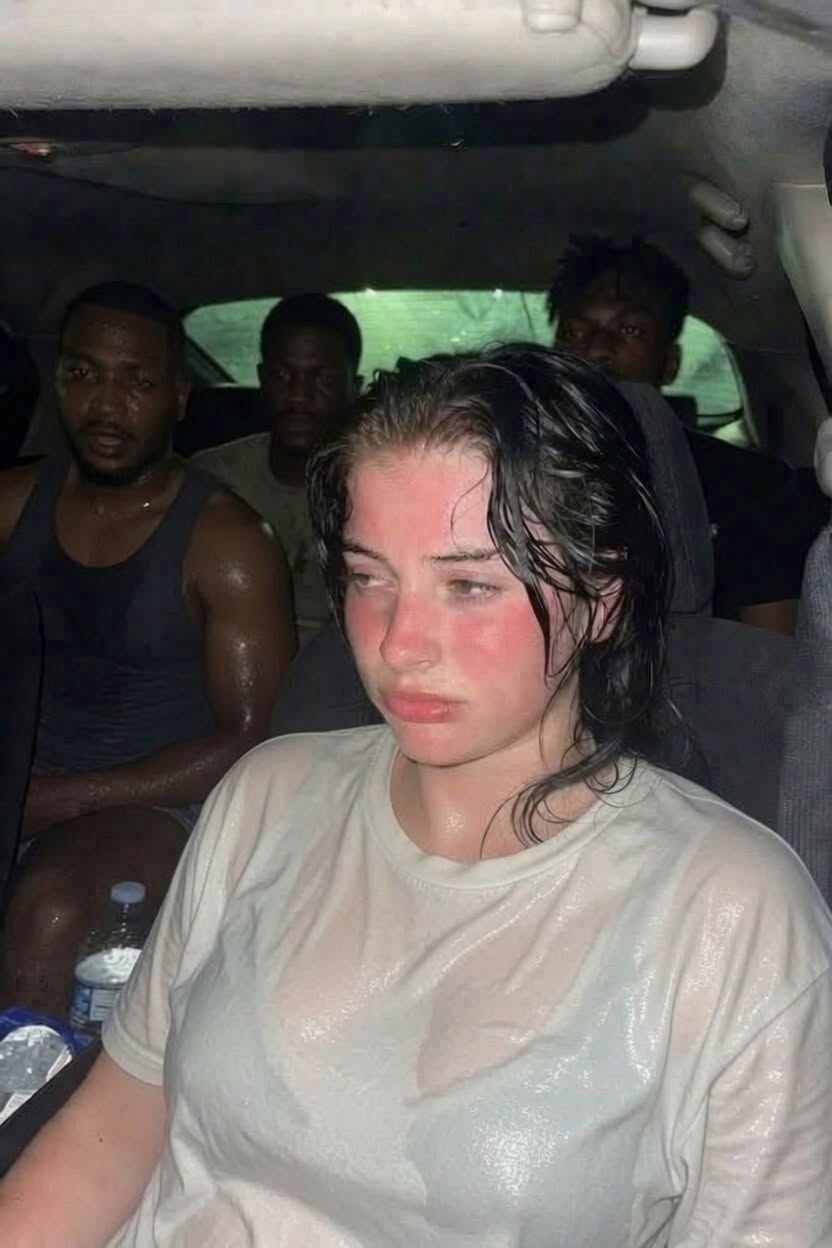
Why a Normal Hike Can Go Wrong So Quickly
One wrong decision on a hot trail can turn a fun morning into a long, frightening afternoon. That is why hiking safety matters before your boots hit the first stretch of dirt. A trail can look manageable on a map, yet heat, steep climbs, limited water, and inexperience can change the day quickly.
Problems rarely arrive with a dramatic warning. More often, they creep in quietly: a dry mouth, headache, slower steps, heavy breathing, or a person who suddenly falls behind.
However, groups sometimes keep moving because the summit is “only another mile.” When heat and fatigue are building, the safer choice is often the least exciting one: stop, reassess, and be willing to turn around.
Before You Leave, Make a Simple Plan
Start with the route, not the backpack. Check the distance, elevation gain, terrain, weather forecast, trail closures, and estimated hiking time. Add extra time for breaks, slower walkers, and unexpected delays.
Then tell someone who is not on the hike where you are going and when you expect to return. If phone coverage may be poor, download an offline map and consider a GPS hiking watch or another reliable emergency communication device.
Your 10-Minute Gear Check
- Water: Carry enough for the route and conditions, with extra capacity for delays.
- Food: Pack easy-to-eat snacks containing carbohydrates and some protein.
- Sun protection: Bring sunscreen, sunglasses, and a lightweight hat.
- First aid: A compact hiking first-aid kit should cover blisters, minor cuts, and basic emergencies.
- Navigation: Carry an offline map and a backup navigation method.
- Weather layer: Pack a layer for changing conditions.
- Emergency gear: A whistle, headlamp, and lightweight emergency blanket take little room.
Hydration Is More Than Carrying One Bottle
One common mistake is starting a long hike with barely enough water. A reusable hydration pack makes drinking easier because you can take small sips while walking instead of waiting until you feel very thirsty.
Still, water alone does not solve every problem. During long, hot outings, hikers may also need food and electrolytes, particularly when sweating heavily. Follow the directions on any electrolyte mix rather than assuming more is better.
Pro Tip: Keep Water Within Reach
If your bottle is buried under clothing and snacks, you are less likely to drink regularly. Keep water accessible in a hydration bladder or side pocket, and carry a backup container when refilling options are uncertain.
A portable water filter can be useful on suitable routes with known water sources. However, never assume a stream is safe simply because it looks clean.
Heat Changes the Rules
Hot weather can make an ordinary trail feel completely different. Direct sun, humid air, steep climbs, and a heavy backpack all increase the strain on your body.
For that reason, start earlier when conditions allow, use shaded sections for recovery, and slow your pace before you feel completely exhausted. Lightweight, breathable clothing can improve comfort, while sunscreen and a wide-brim hiking hat reduce sun exposure.
Most importantly, watch the people around you. A hiking partner who becomes unusually quiet, confused, unsteady, or unable to maintain a normal pace needs attention—not encouragement to “push through.”
Know When to Stop
This is where many hiking days go wrong. People sometimes think turning back means failing. It does not. A summit will still be there another day.
If someone is struggling, stop somewhere safe and reassess. Move out of direct heat when possible, allow the person to rest, and provide appropriate fluids and food if they can safely take them.
If symptoms are severe, worsening, or include confusion, fainting, chest pain, trouble breathing, or an inability to walk safely, seek emergency medical help. Do not leave a struggling person alone while others continue toward the destination.
Use a Turnaround Rule
Before starting, agree on a turnaround time. For example, if the group has not reached a certain point by the planned time, everyone heads back regardless of how close the destination appears.
This removes the argument from the moment. You are not deciding whether to quit when everyone is tired; you are following a decision made while everyone was thinking clearly.
Group Pressure Can Make Things Worse
Experienced hikers sometimes forget how intimidating a difficult trail can feel to a beginner. A new hiker may stay quiet because they do not want to slow everyone down.
So make communication part of the plan. Ask, “How are you feeling?” rather than “Can you keep going?” The first question invites an honest answer. The second can sound like a challenge.
Also, keep the group together when conditions are difficult. The fastest person does not set the pace. Everyone should move at a speed the group can maintain safely.
Common Hiking Mistakes to Avoid
- Starting too late: The hardest section may land in the hottest part of the day.
- Underestimating elevation: A short trail can still be exhausting when the climb is steep.
- Wearing brand-new boots: Blisters can become painful surprisingly fast.
- Skipping food: A long hike requires more than water.
- Relying only on a phone: Batteries die and reception disappears.
- Ignoring the forecast: Heat, storms, wind, and temperature changes can alter the risk.
- Chasing the destination: “Almost there” is not a safety plan.
The Best Hiking Skill Is Knowing When to Turn Back
The strongest hikers are not necessarily the ones who finish every trail. They are the ones who recognize when conditions have changed and make a smart decision without worrying about appearances.
That means checking the weather, carrying enough water, pacing the group, watching for warning signs, and turning around when needed. A good hiking first-aid kit, reliable navigation, and quality hydration pack can make preparation easier, but gear cannot replace judgment.
Ultimately, hiking safety is about getting home with good memories instead of forcing one more mile. The trail will still be waiting. Knowing when to stop is not giving up; it is part of knowing how to hike.