“`html
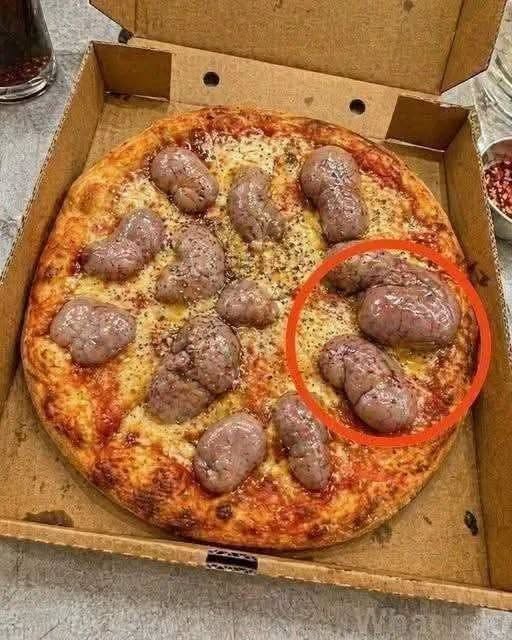
Pizza cheese bubbles can look surprisingly strange when you first lift the lid. Those round, raised pockets across melted mozzarella may resemble something unusual, but in many cases they are simply the result of heat, moisture, and the way cheese melts during baking.
If you have ever ordered a pizza and wondered why the cheese suddenly looks inflated, blistered, or covered with little domes, there is a simple explanation. Better yet, knowing what you are looking at can help you separate a harmless baking quirk from a pizza that actually deserves a second look.
Why Pizza Cheese Bubbles Up
Cheese is not a flat sheet once it hits a hot oven. As mozzarella warms, its fat softens and its moisture turns into steam. At the same time, air trapped between the cheese, sauce, and dough expands.
The result? A little pocket forms, the cheese stretches over it, and you get that familiar bubble. In a very hot pizza oven, the process can happen quickly, which is why some pies come out with dramatic golden blisters.
Heat Does Most of the Work
Commercial pizza ovens can reach temperatures far above a typical home oven. Naturally, that intense heat encourages fast browning while moisture underneath the cheese turns to steam.
The cheese may puff, blister, or form small hollow-looking domes. Once the pizza cools, many of those bubbles shrink or collapse on their own.
This is also why a freshly baked pizza can look very different ten minutes later. Temperature changes the texture, tension, and appearance of the cheese.
Are Cheese Bubbles a Food Safety Problem?
Usually, ordinary bubbles in melted cheese are not a food safety warning by themselves. A blistered surface, browned spot, or pocket of melted mozzarella can simply be part of the cooking process.
However, appearance should not be the only thing you check. If the pizza arrived with damaged packaging, an unusual odor, visible foreign material, or signs that the food was not handled properly, do not ignore those concerns.
When in doubt, contact the restaurant or delivery service and ask about the order rather than guessing. A reputable food business should be able to explain its preparation and handling practices.
What Normal Cheese Bubbles Look Like
Normal cheese bubbles are generally surrounded by melted cheese and browned areas. They can be tiny and scattered or large enough to create a raised patch across an entire slice.
The surface may look uneven, especially on pizzas with fresh mozzarella or a generous cheese layer. In fact, a little bubbling can be one of the visual signs of high heat and active browning.
Pro Tip: Let the pizza sit for a minute or two before judging the cheese. As trapped steam escapes and the surface cools, the shape often becomes much less dramatic.
When the Pizza Deserves a Closer Look
Not every strange-looking pizza problem comes from cheese bubbles. Sometimes the issue is the packaging, the ingredients, or the way the pizza was transported.
Start with the basics. Is the box intact? Does the pizza smell like the toppings and baked crust you expect? Is the cheese simply blistered, or is there something genuinely foreign on the surface?
For instance, a loose piece of plastic, paper, packaging material, or another unexpected object is very different from a browned cheese blister. If you see something that clearly does not belong, stop eating and contact the restaurant.
Temperature matters too. A pizza that has been sitting around for a long time may have a different texture and appearance than one that arrived hot and fresh. Follow local food-safety guidance for storing leftovers, and refrigerate them promptly rather than leaving them at room temperature for hours.
Why Fresh Mozzarella Can Look Even Stranger
Fresh mozzarella contains plenty of moisture, so it can behave differently from low-moisture shredded mozzarella. When exposed to strong oven heat, that moisture can contribute to steam pockets and a softer, wetter appearance.
That does not automatically mean something is wrong. Instead, it reflects the ingredient’s composition.
Cheese blends can also produce different results. A pizza made with mozzarella, provolone, cheddar, or a specialty blend may brown and stretch in noticeably different ways.
Frozen, Homemade, and Restaurant Pizza Behave Differently
A frozen pizza usually has a carefully engineered cheese blend designed to melt consistently. Homemade pizza gives you much more control over the amount of cheese, sauce, and oven temperature.
Restaurant pizza is another story. A high-temperature oven, fresh dough, and a generous layer of cheese can create large bubbles in just a few minutes.
If you want fewer oversized bubbles at home, spread the cheese evenly instead of piling it into thick mounds. Also, avoid flooding the pizza with watery toppings, because excess moisture can create more steam during baking.
Simple Ways to Prevent Oversized Cheese Blisters
You do not need expensive kitchen equipment to improve the result. A few small changes can make homemade pizza easier to control.
- Use an even cheese layer: Avoid huge piles of cheese in one area.
- Drain wet toppings: Pat vegetables or other moisture-heavy toppings dry before adding them.
- Preheat thoroughly: Give your oven and pizza stone or steel enough time to heat.
- Leave small gaps: A little space between toppings can help steam escape.
- Watch the final minutes: Cheese can go from lightly browned to heavily blistered quickly.
A quality pizza stone or pizza steel can also improve heat transfer from below. You do not need the most expensive model, but a well-preheated baking surface can help produce a crispier crust while the cheese browns on top.
Common Mistakes That Make Pizza Look Weird
One common mistake is judging the pizza immediately after opening the box. Steam is still moving through the crust and cheese, so the surface can look puffier than it will after a short rest.
Another mistake is assuming every unusual mark has the same cause. A browned bubble, melted cheese pocket, burnt topping, and foreign object are four different things.
Also, do not scrape away normal browned cheese simply because it looks dramatic. Those toasted spots are often where the flavor gets especially savory and crisp.
If you are making pizza at home, keep notes about oven temperature, cheese type, and topping moisture. After a few batches, you will quickly learn which combination gives you the texture you like.
The Bottom Line on Pizza Cheese Bubbles
The next time pizza cheese rises into strange little domes, do not let the appearance fool you. In most cases, pizza cheese bubbles are a straightforward result of melted cheese, trapped air, moisture, and intense oven heat.
Still, common sense matters. Check the packaging, smell, appearance, and overall condition of the food. If something genuinely seems contaminated, damaged, or out of place, skip the guesswork and contact the restaurant.
For ordinary browned mozzarella bubbles, though, there is usually no mystery at all. What looks dramatic under a bright kitchen light is often just cheese doing exactly what hot cheese does.
“`