
You are standing on an old stone bridge when a stranger tips his hat and walks right past. If you love clever wordplay, you have probably heard the famous I Met a Man on the London Bridge riddle. It sounds deceptively simple, yet it manages to stump almost everyone on their first try.
Most people immediately overthink the scenario. In fact, listeners usually imagine secret notebooks, foggy windowpanes, or hidden sketch pads. However, the true answer hides right inside the phrasing itself.
The London Bridge Riddle: Can You Crack It?
Let’s read the exact wording of this classic brain teaser carefully. Pay close attention to every single syllable:
“I met a man on the London Bridge. He tipped his hat and drew his name. In this riddle, I told you his name. What is his name?”
Take ten seconds to think about it before scrolling down. Did you catch the sly linguistic trick? Or are you wondering what kind of pen he was carrying?
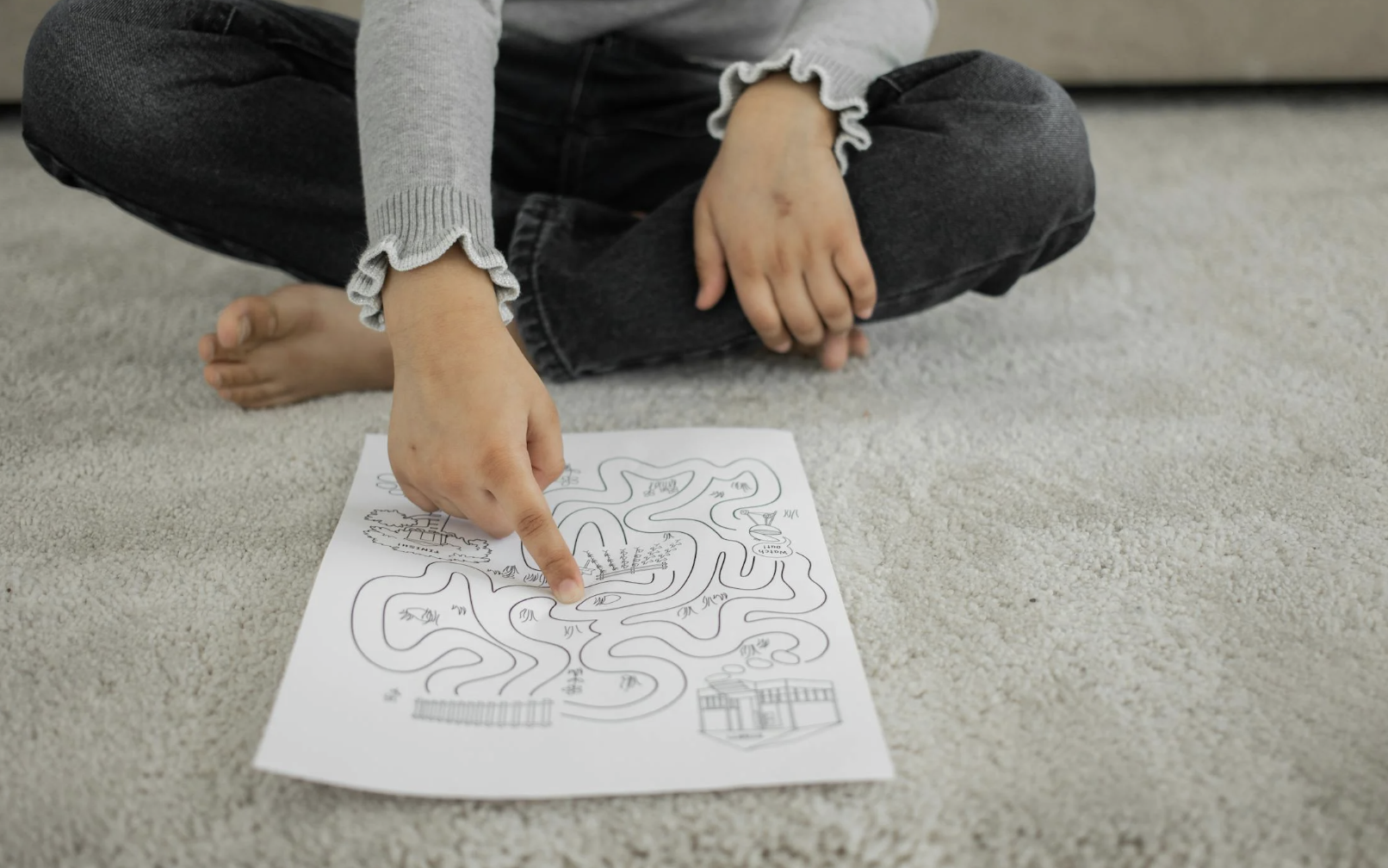
Riddles trick our brains by hiding familiar words in plain speech patterns.
The Answer to the London Bridge Riddle Explained
The man’s name is Andrew. Yes, really! If you groaned and tapped your forehead, you are definitely not alone.
When spoken aloud, the words “and drew” sound completely identical to the proper name “Andrew.” Therefore, saying “he tipped his hat and drew his name” literally tells the listener his exact name.
This type of word puzzle is known as an oronym. An oronym occurs when two phrases sound identical to the ear despite having entirely different spellings. As a result, your brain interprets the spoken sentence as an action rather than a proper noun.
Why Our Brains Get Tricked So Easily
Human brains love building mental pictures from descriptive context. When someone mentions a famous historical bridge and a tipping hat, your imagination constructs a visual scene automatically.
Consequently, your mind focuses on the action of drawing. You wonder if the stranger carried charcoal, chalk, or pencil lead. You completely ignore the audio cadence because your visual imagination took over the thinking process.
Furthermore, the riddle creates a false trail on purpose. It places the clue right after an action verb, tricking your analytical mind into looking everywhere except the actual sentence structure.

Solving physical paper mazes and logic puzzles sharpens problem-solving skills at any age.
3 More Clever Wordplay Riddles to Test Your Friends
Did you enjoy solving the London Bridge puzzle? Here are three equally clever wordplay teasers to test your family during your next dinner gathering:
- The Rooftop Riddle: A rooster sits on the exact peak of a barn roof. If it lays an egg, which side does it roll down? (Answer: Roosters do not lay eggs!)
- The Running River: What has a bed but never sleeps, and has a mouth but never speaks? (Answer: A river.)
- The Heavy Carrier: What gets wetter and wetter the more it dries? (Answer: A bath towel.)
These simple verbal puzzles act as instant conversation starters. Besides, watching your friends debate impossible logistics always sparks plenty of hearty laughs around the table.
Cognitive Benefits of Daily Brain Teasers and Logic Puzzles
Solving quick riddles is not just an entertaining party trick. Actually, regular problem-solving games provide outstanding benefits for long-term cognitive health.
When you tackle verbal puzzles, you build fresh neural pathways. You force your mind to break rigid thinking patterns and explore creative lateral solutions. In addition, working through logic challenges improves working memory and verbal comprehension skills.
Many adults now incorporate daily mind exercises into their morning coffee routines. Pairing a fresh cup of tea with a challenging logic grid puzzle keeps your brain sharp, focused, and alert throughout busy workdays.

Ditching digital screens for tactile wooden puzzles makes family game nights memorable.
Upgrade Your Family Game Night with Tactile Puzzles
If you want to reduce screen time at home, tactile puzzles offer an unbeatable alternative. Swapping smartphones for hands-on activities brings a warm, cozy energy to family evenings.
Consider picking up a premium wooden mechanical puzzle box for your coffee table. These intricately carved wooden boxes require sequential mechanical steps to open, creating a thrilling challenge for guests and teens alike.
You can also invest in a sturdy wooden jigsaw puzzle table with drawers. Dedicated puzzle boards let you organize sorting trays and store ongoing 1,000-piece landscape puzzles safely without cluttering your main dining table.
For younger kids, printed activity workbooks, pencil mazes, and tabletop 3D maze globes build spatial reasoning naturally. Working together on physical puzzles encourages meaningful teamwork and lively conversation without any blue light fatigue.
Pro Tip: The Minute-to-Win-It Riddle Bowl
Write ten classic wordplay riddles on small slips of paper and fold them into a glass bowl. During dessert, pass the bowl around the table. Each person gets exactly sixty seconds to guess the answer before passing the slip to the next player!
How to Invent Your Own Auditory Homophone Riddles
Once you understand how the London Bridge puzzle works, you can easily create your own original riddles. Start by picking common names that double as action verbs or compound phrases.
For example, take the name “Russell.” You could write a riddle about someone walking through autumn woods: “I walked through the forest and rustled the leaves.”
Similarly, consider the name “Justin.” You could say: “He arrived just in time for breakfast.” With a little creativity, you can craft personalized brain teasers that surprise your friends and family members.
Bring Fun Mind Games into Your Daily Routine
Taking a five-minute break from routine tasks to solve a riddle cleanses your mental palate. It shakes up mundane habits, exercises creative problem-solving muscles, and brings genuine smiles to people around you.
The clever I Met a Man on the London Bridge riddle proves that simple words can surprise us in delightful ways. Share this puzzle at your next gathering, enjoy the puzzled looks, and celebrate the fun of thinking outside the box.