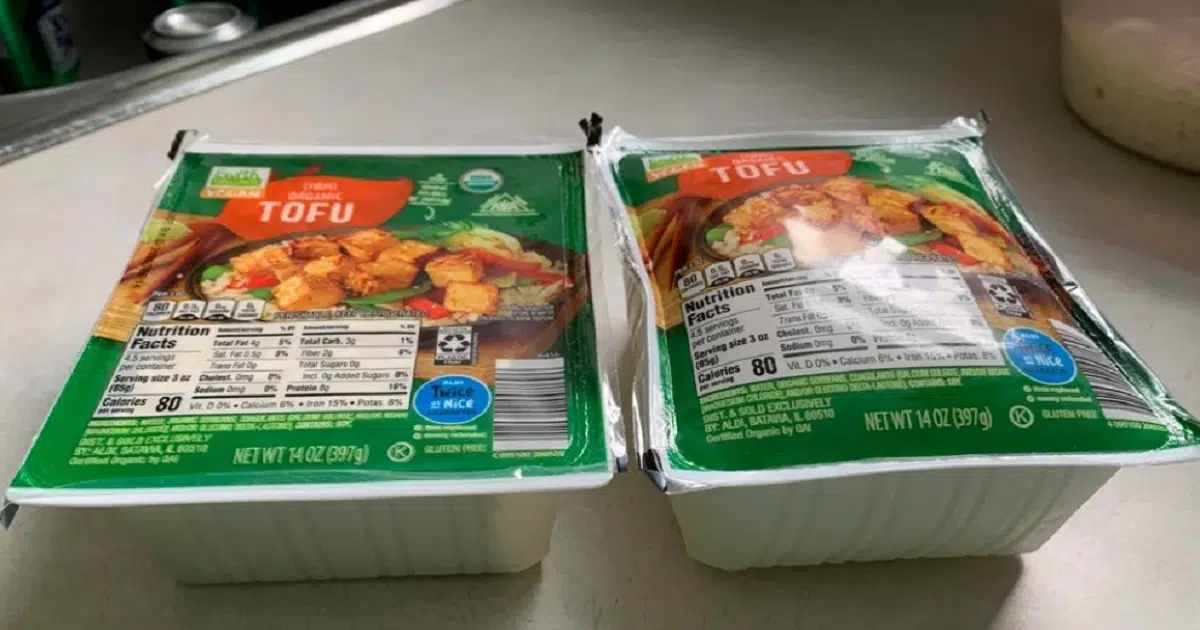
You reach into your refrigerator for dinner ingredients and pull out a sealed container that looks ready to pop. When you spot bloated food packaging on your kitchen counter, your first instinct is probably pure confusion. Is that swollen lid a normal factory seal, or is dinner about to make everyone sick?
Fortunately, you do not have to guess your way through dinner prep. Understanding why food containers puff up helps you save money on groceries while keeping your family safe. Let’s break down when a puffy package is completely harmless and when you must throw it out immediately.
Why Is Your Food Packaging Puffed Up Like a Balloon?
Puffy packaging happens for three primary reasons: intentional factory gas preservation, atmospheric pressure changes, or active bacterial fermentation. Naturally, knowing which cause you are looking at makes all the difference.
First, commercial food producers frequently use a process called Modified Atmosphere Packaging (MAP). Manufacturers replace oxygen inside the container with purified nitrogen or carbon dioxide to keep greens crisp and chips crunchy. As a result, snack bags and salad packs intentionally look like miniature pillows on grocery store shelves.
Second, elevation changes easily alter sealed plastic containers. If you purchase groceries in a low valley and drive home into the mountains, low outside barometric pressure makes the air inside the packaging expand. The food inside remains fresh and safe to eat.
Third, rogue bacteria and yeasts generate waste gases when they consume organic matter. When microbes multiply inside perishable foods, they release carbon dioxide that balloons flexible lids and plastic film seals.
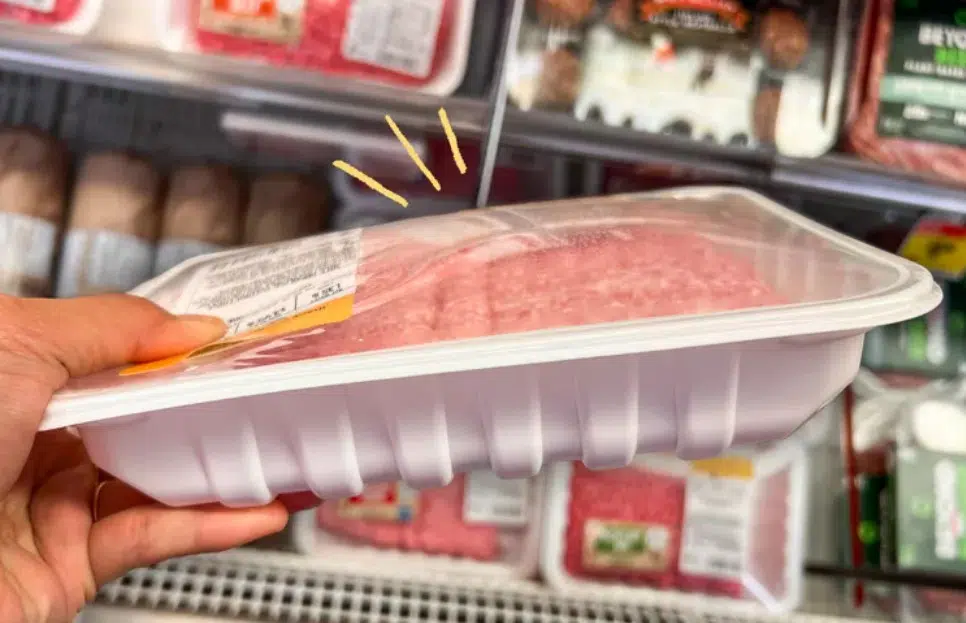
Puffed plastic film on raw meat can signal harmless packaging gases or dangerous active bacterial growth.
Dangerous Bloating vs. Harmless Factory Packaging
How do you spot the difference between factory-fresh products and dangerous grocery store spoilage? Take a close look at the specific food category you are handling.
1. Raw Poultry, Pork, and Ground Meat
Fresh meat trays often use protective atmosphere packaging to preserve bright color. However, if a standard shrink-wrapped cut of meat begins puffing up days after you bought it, bacteria have started multiplying. Discard any ground beef or chicken that shows a domed lid alongside a sour odor or slimy surface texture.
2. Yogurt, Soft Cheeses, and Dairy Containers
Sealed yogurt cups and sour cream tubs should always have flat foil seals. When living yeasts or unwanted bacterial strains contaminate dairy, they produce trapped gas rapidly. Consequently, a bulging yogurt lid is a direct signal of active spoilage.
3. Plant Proteins and Tofu Tubs
Water-packed organic tofu and vacuum-sealed plant sausages should sit flat beneath tight plastic film. If the clear lid domes upward tightly, anaerobic bacteria have contaminated the soak water. Do not risk tasting it; toss the container into the trash.
4. Bulging Metal Cans and Canned Goods
Never take chances with swollen metal cans. A bulging, pressurized metal can often indicates contamination from Clostridium botulinum, the organism responsible for deadly botulism toxins. If a can shows rounded ends, rust along seams, or spurts liquid when opened, discard it safely without tasting a drop.
Quick Inspection Checklist Before You Cook
Whenever you encounter questionable bloated food packaging in your refrigerator, walk through this fast four-point kitchen inspection:
- Check the expiration date: Has the item passed its “Use By” or “Best By” date? If it is expired and swollen, throw it out immediately.
- Look for discoloration: Fresh meats should not show gray or greenish hues beneath the puffed plastic wrapping.
- Perform a gentle smell test: Crack the seal away from your face and check for sharp sulfur, sour milk, or yeasty smells.
- Inspect the seal integrity: Ensure the factory seal has not split or leaked sticky fluid onto your refrigerator shelves.
Smart Kitchen Habits to Prevent Food Spoilage
Preventing unwanted pantry spoilage starts with proper temperature control and smart storage habits. You can protect your weekly grocery budget with a few simple adjustments.
First, place a reliable digital refrigerator thermometer on your middle fridge shelf. Keep your appliance set strictly between 35°F and 38°F (1.6°C to 3.3°C) to stop food spoilage bacteria from multiplying.
Second, bring insulated cooler bags on your weekly grocery shopping trips. Loading cold cuts, raw seafood, and dairy products into insulated bags keeps the cold chain unbroken during warm summer drives home.
Third, transfer bulk grains, dry pastas, and snack foods into clear airtight food storage containers. Durable silicone-gasket bins keep pantry pests out while preserving freshness far better than original cardboard boxes.
Pro Tip: The Freezer Save Method
If you purchase family packs of fresh poultry on sale, do not leave them sitting in their thin retail plastic wrap for days. Divide them into individual meal portions, wrap them tightly with freezer paper, and freeze them promptly to prevent gas-producing bacteria from starting.
What to Do with Swollen Groceries You Just Bought
Did you bring home a sealed tub of hummus or package of deli meat that puffed up overnight in a chilled fridge? You do not have to swallow the financial loss.
Snap a clear photo of the bloated packaging and the printed expiration code with your smartphone. Most modern grocery stores and supermarket chains offer instant refunds or replacements for compromised items without requiring you to bring spoiled food back inside the store.
Keep Your Kitchen Safe and Fresh
Dealing with swollen grocery containers can feel frustrating when you have dinner planned, but your household health always comes first. Crisp chip bags and high-altitude snacks are perfectly fine, but bulging dairy, meats, and canned goods belong straight in the garbage.
By keeping your refrigerator chilled, storing groceries properly, and inspecting suspicious seals, you will never have to stress over bloated food packaging again. Stay cautious, trust your senses, and enjoy fresh, wholesome meals every day.