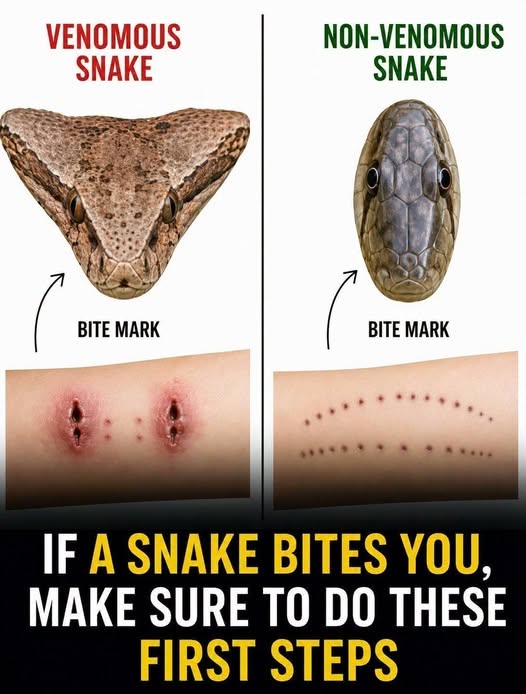
If a snake bite happens, the next few minutes matter. Knowing what to do after a snake bite can help you avoid dangerous mistakes while emergency care is arranged. The goal is not to treat the venom at home. It is to keep the person safe, limit unnecessary movement, and get medical help quickly.
Snake Bite First Aid: What to Do Right Away
Start by calling your local emergency number or getting urgent medical help. If the person is with you, stay with them and keep the situation calm. Panic can lead to running, unnecessary movement, or attempts to catch the snake, all of which can make the situation worse.
Have the person sit or lie down and keep the bitten area as still as reasonably possible. Do not encourage them to walk around to “see if it is serious.” If transportation is needed, have someone else arrange it rather than making the bitten person travel on foot.
Next, remove rings, watches, bracelets, tight shoes, or restrictive clothing near the affected area. Swelling can increase quickly, and removing these items early can prevent them from becoming painfully tight.
If practical, gently clean the area with soap and clean water, then cover it with a clean, dry dressing. Avoid rubbing, squeezing, massaging, or repeatedly checking the wound.
Pro Tip: If you have a clean pen and medical guidance tells you to do so, note the time the bite occurred and any changes in swelling or symptoms. This information can help clinicians understand how the situation is progressing.
What If You Saw the Snake?
Do not chase it, corner it, touch it, or try to take a photo from close range. A second bite can turn one emergency into two.
Instead, only from a safe distance, remember broad details such as the snake’s color, pattern, approximate size, and location. If someone else can safely record those details without approaching the animal, that information may be useful to medical professionals.
However, do not delay emergency care while trying to identify the species. You do not need to solve the identification puzzle before asking for help.
Snake Bite Mistakes That Can Make Things Worse
Some old-fashioned snake bite remedies sound convincing but can cause additional injury or delay proper care.
- Do not cut the bite. Cutting the skin can increase bleeding, infection risk, and tissue damage.
- Do not suck venom from the wound. This is not a reliable way to remove venom and can injure the mouth or wound.
- Do not apply ice or extreme cold. Cold injury can damage already stressed tissue.
- Do not use a tight tourniquet. Restricting blood flow can cause serious complications.
- Do not burn, rub, massage, or chemically treat the bite. These actions can add injury without treating the underlying problem.
- Do not try to capture or kill the snake. Medical treatment is more important than getting a specimen.
Also, avoid giving food, drink, or medicines unless medical professionals advise you. If the person becomes very unwell, emergency responders can give instructions based on the situation.
What Symptoms Should You Watch For?
After a snake bite, symptoms can vary depending on the species, amount of venom involved, bite location, and the person’s condition. Some bites may cause little at first, while others can develop serious symptoms.
Watch for increasing pain or swelling, weakness, dizziness, vomiting, trouble breathing, vision changes, unusual bleeding, difficulty speaking or swallowing, or other rapidly worsening symptoms. Any concerning change is a reason to tell emergency responders immediately.
Important: Do not use the absence of early symptoms as proof that the bite is harmless. A person can feel relatively normal initially and still need urgent medical assessment.
While waiting for help, keep the person calm and as still as possible. Do not let them drive themselves to a medical facility. If they become unconscious or stop breathing normally, follow the emergency dispatcher’s instructions and begin appropriate first aid if instructed.
What Happens at the Hospital?
Medical professionals may ask when the bite occurred, where it happened, what the snake looked like, and which symptoms appeared first. They may also monitor vital signs, swelling, blood tests, and other signs of complications.
Treatment depends on the circumstances. In some cases, clinicians may use antivenom and other supportive treatments. Antivenom is a specialized medical treatment, so trying home remedies instead of seeking care can waste time that matters.
It can help to arrive with a clear timeline. Write down the approximate bite time, symptom changes, and any first-aid steps already taken. Do not delay transport just to collect information.
How to Prepare for Snake Country
A little preparation can reduce the chance of a close encounter. When hiking, camping, gardening, or working around woodpiles and rocks, wear sturdy closed footwear and use a flashlight after dark.
Be especially careful before reaching into holes, gaps, thick vegetation, piles of logs, or areas where you cannot see your hands. Use a tool or another safe method to check hidden spaces rather than putting your fingers inside.
Keep yards and outdoor storage areas reasonably tidy, and teach children to leave snakes alone. If you see one, give it plenty of space and let trained local wildlife professionals handle removal when necessary.
A small outdoor first-aid kit can also be useful. Stock it with clean dressings, bandages, gloves, and basic supplies for ordinary injuries. The kit is not a substitute for emergency medical care, but it can help you keep the bite clean while help is coming.
The Simple Rule to Remember
The best response to a suspected venomous snake bite is surprisingly simple: get professional medical help fast, keep the person calm and still, remove tight items before swelling increases, and avoid homemade treatments.
Do not cut the wound. Do not suck it. Do not ice it. Do not use a tourniquet. And never risk another bite trying to catch the snake.
If you spend time outdoors, knowing what to do after a snake bite is worth remembering before an emergency happens. When in doubt, treat a suspected snake bite seriously and contact emergency services or a poison information service for guidance as soon as possible.