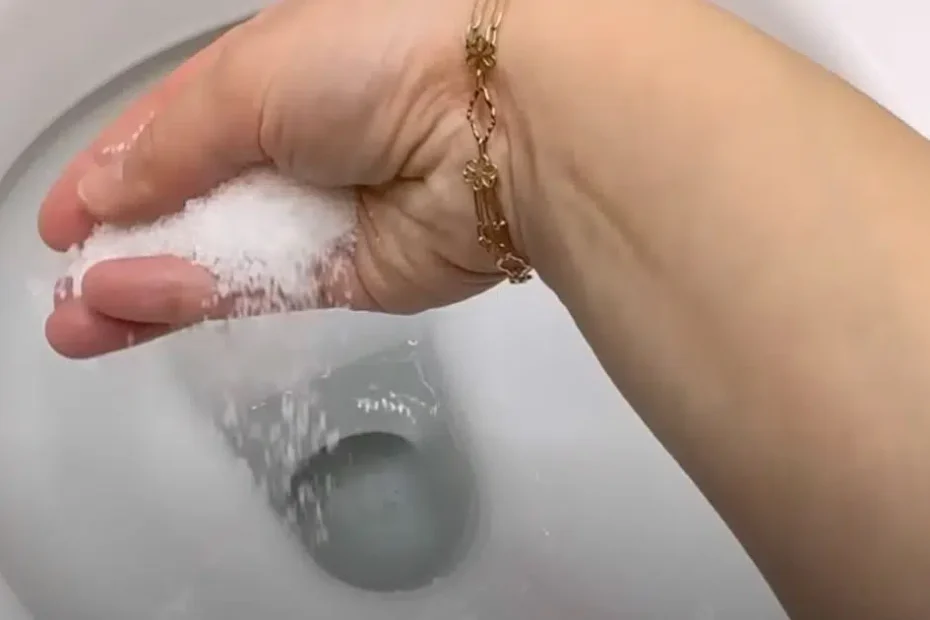
That slow flush at 6 a.m. is more than an annoyance. When your toilet gurgles and the bathroom starts smelling like a damp basement, tree roots may already be partying inside the sewer line. Many plumbers still tell homeowners to put salt in your toilet as a first, cheap try. The tip sounds almost silly, yet it keeps showing up for a reason. Here’s the real story—what the salt actually does, how to use it without making things worse, and the exact moment you should pick up the phone instead.
How Tree Roots Find Your Pipes
Roots follow moisture the way kids follow the ice-cream truck. A hairline crack in old clay or cast-iron pipe is all the invitation they need. Once inside, the roots thicken, trap toilet paper, and create a soft dam. Water backs up. Air gets trapped. You hear the gurgle. The faint sewer smell follows soon after.
Older homes with clay lines see this most often. Newer PVC is tougher, but joints still loosen over decades. The problem rarely starts with a full blockage. It begins with a slight lag after every flush.
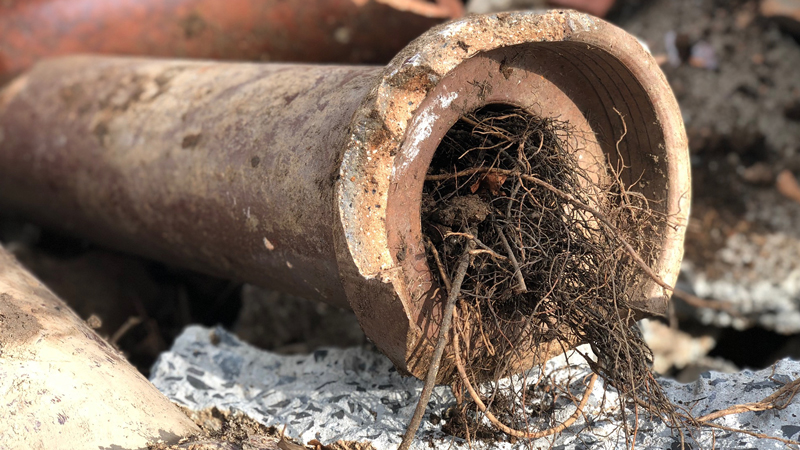
This is what tree roots look like once they crash the sewer party—salt can slow the thin ones, but the thick stuff needs stronger help.
The Simple Science Behind Rock Salt
Rock salt pulls water out of living plant tissue. Fine feeder roots dry up and die back when they meet a high salt concentration. Coarse crystals travel farther down the line than fine table salt, so they reach the problem zone more easily. That is why driveway rock salt is the version most plumbers mention.
However, thick woody roots usually ignore the treatment. Salt only slows the soft new growth. Think of it as a temporary pause button, not a delete key.
Exactly How to Put Salt in Your Toilet
Grab a bag of plain rock salt from any hardware aisle. Skip water-softener pellets and iodized table salt—they contain extras that do nothing helpful here. Measure one level cup. Nighttime works best because the bathroom stays quiet for hours.
Pour the salt straight into the bowl. Flush once. Walk away. Leave every faucet and toilet alone for 8 to 12 hours so the crystals can settle near the roots. Next morning flush twice to rinse the line clean. Some people repeat the routine every three or four weeks during the growing season.
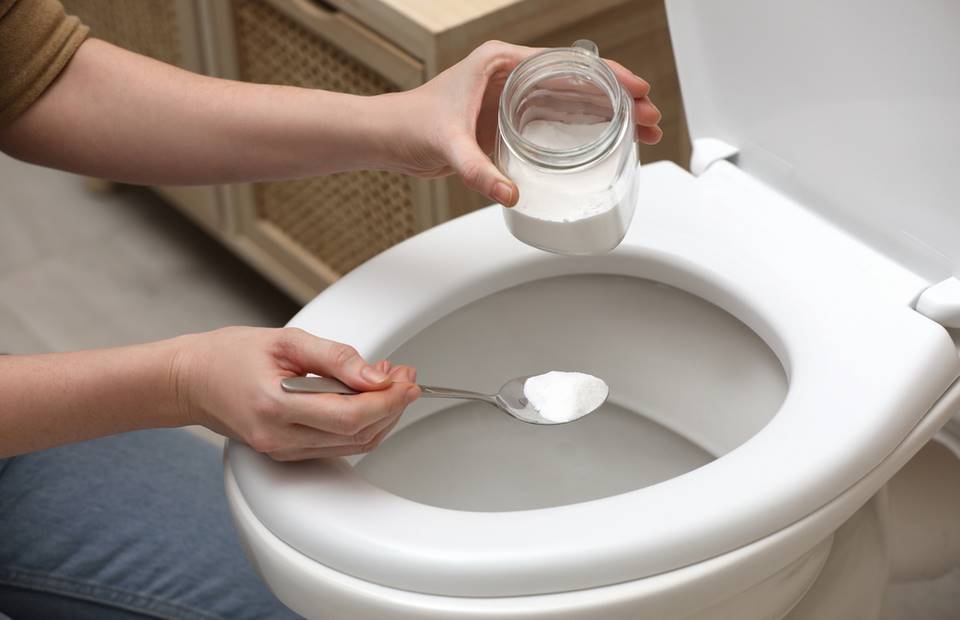
One cup of plain rock salt, a quiet night, and a single flush is the whole routine most homeowners try first.
Pro Tip: Keep a small plastic scoop in the salt bag. Measuring by eye often leads to too much product, and excess crystals can settle in the toilet trap.
When Salt Can Backfire
Crystals sometimes lodge in the trap and create a new partial clog. Older metal pipes can feel the long-term stress of repeated salt exposure. Septic systems hate heavy salt loads because the extra sodium slows the bacteria that break down waste. If the pipe already has open cracks, the brine can leak into the soil and burn nearby grass or shrubs.
As a result, most modern plumbers treat the salt method as a short test, not a monthly habit. One or two tries is plenty. Anything more risks turning a mild root issue into a bigger headache.
Stronger DIY Options That Actually Reach the Roots
Foaming root killers expand inside the pipe and coat every surface. The foam sticks better than loose crystals and lasts longer. Copper sulfate crystals are another old standby, though local rules sometimes limit their use. Both products stay safer for septic tanks than repeated rock-salt dumps when you follow the label amounts.
Still, chemicals only slow growth. They never remove the solid root mass already sitting in the line. For that job you need mechanical help.
The Fixes That Actually Clear the Line
A plumber’s cutting blade or high-pressure hydro-jetter slices through the root ball in one pass. The relief is immediate. After the line is clear, many homeowners schedule a foaming treatment every six to twelve months. That keeps new roots from moving back in.
If the camera shows collapsed or heavily cracked pipe, no chemical will save it. Trenchless sewer repair or a short section replacement becomes the lasting answer. Camera inspection costs far less than guessing and usually runs a few hundred dollars. Most companies show you the live video so you can see the exact trouble spot.
Quick Yard Clues You Can Spot Yourself
Watch for a bright green strip of grass running above the sewer path. Roots that steal water and nutrients from the pipe make the turf look unusually healthy. Multiple fixtures draining slowly at the same time is another red flag. A sewer smell near floor drains or outdoor clean-outs also points to roots rather than a simple toilet clog.
Prevention That Saves Money and Stress
When you plant new trees, keep thirsty species well away from the sewer line. Willows, poplars, and silver maples are famous troublemakers. Root barriers installed near mature trees can redirect growth. Annual or biennial foaming treatments cost less than one emergency weekend call-out.
Never flush so-called flushable wipes, grease, or paper towels. Those items turn a mild root problem into a solid blockage almost overnight. A simple mesh screen over outdoor clean-outs also keeps debris from adding extra weight to the root mass.
So yes, some plumbers still suggest you put salt in your toilet when roots first appear. The method can buy you a few quiet weeks. Treat it like a short-term patch, watch the warning signs, and call for a camera inspection the moment the slow flush returns. Your pipes stay clearer, your mornings stay calmer, and the repair bill stays smaller.