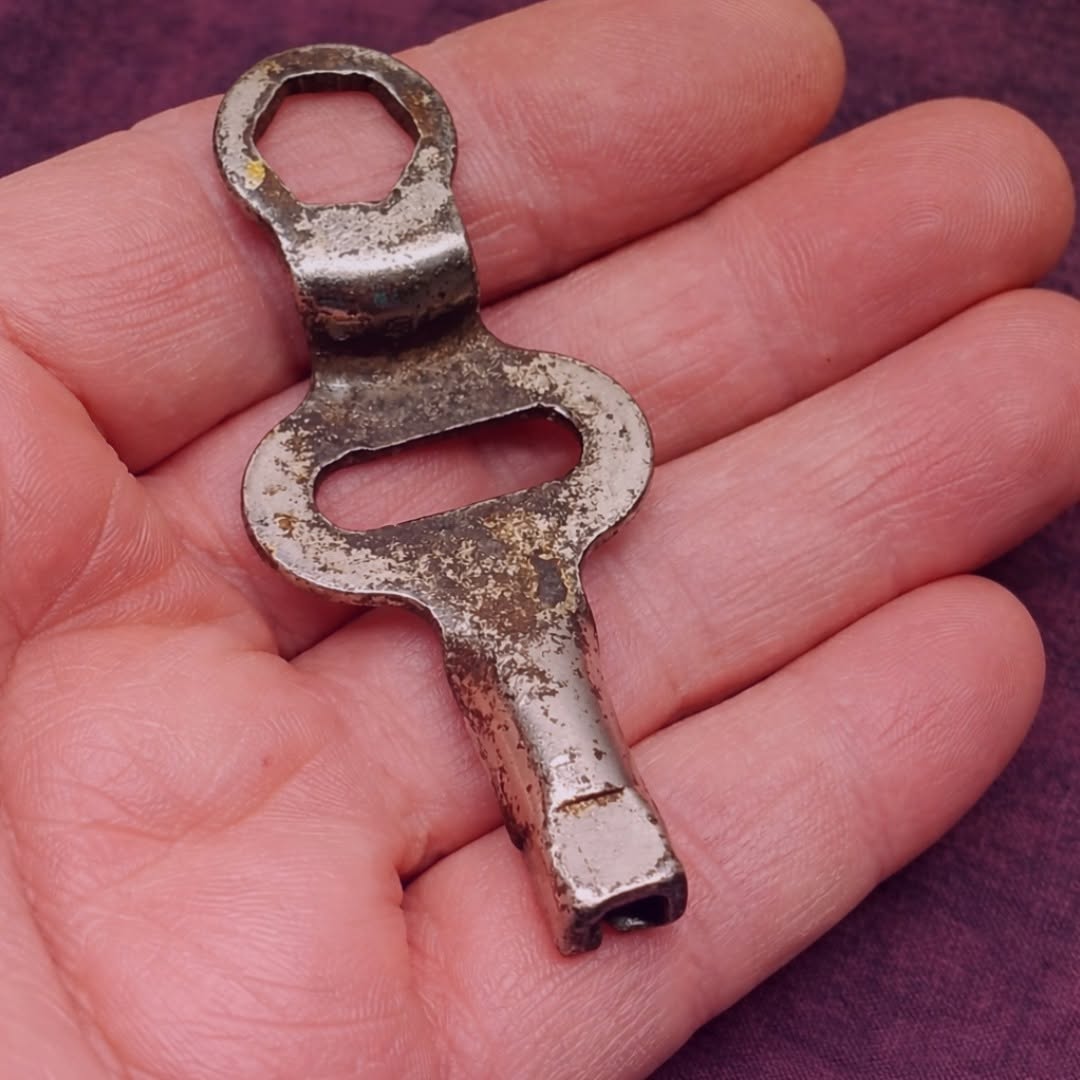
If you found a strange little metal tool at your grandparents’ house, you may be holding one of the most recognizable pieces of old-school skating gear: a skate key. Today, roller skates arrive adjusted and ready to roll, so a tiny metal wrench can look like a mystery object. Decades ago, however, that little tool could be the difference between a comfortable afternoon at the rink and a skate that rattled, pinched, or simply would not fit.
The object often has a compact, T-shaped or tubular design with openings at the ends. Some were plain steel, while others had a copper-colored or brass-like finish. They were small enough to slip into a pocket, attach to a skate, or hang from a cord around the neck.
So, What Exactly Is a Skate Key?
A skate key was a small wrench made for adjusting traditional roller skates, particularly the adjustable clamp-on styles that fit over ordinary shoes. Instead of reaching for a toolbox, skaters carried the correct little tool with them.
That mattered because old skates were not always a one-size-and-forget-it purchase. The fit could be changed, wheels and other hardware could be adjusted, and the skate needed to stay snug while a person moved around the rink.
Why Did the Tool Have More Than One Opening?
The different openings were designed to fit different nuts or adjustment points on the skate. Depending on the skate model, one end might be used for a particular axle nut while another opening handled a different fitting.
That is why a skate key can resemble a tiny multi-purpose wrench. It was not decorative, and it was not normally intended as a household opener.
The Skates It Was Made For Looked Very Different
Picture a pair of ordinary lace-up shoes with a metal frame clamped underneath. Add four wheels, a toe stop, several nuts, and a little adjustment mechanism. That was the setup many families remember from older roller-skating days.
Clamp-on skates were especially useful for growing children because the length could be adjusted. A family could loosen the mechanism, change the size, tighten everything again, and send the skater back onto the floor.
However, adjustability also meant maintenance. If a fitting loosened, someone needed the right tool to bring it back into position.
Why Skaters Sometimes Wore Skate Keys Around Their Neck
This is one of the details that makes old skate keys so fun to discover.
Imagine paying for rink time, lacing up, stepping onto the floor, and then realizing you need to make a small adjustment. You could walk back to a bench or ask someone for a tool—or simply reach for the key you were already carrying.
Because the tool was tiny and easy to misplace, some skaters attached it to their clothing, skates, or a cord. Wearing it around the neck kept it close at hand.
Pro Tip: If you find an old skate key today, do not assume the cord or attachment method was part of the original tool. Families often improvised ways to keep small tools from disappearing.
Was It Only Used for Roller Skates?
Mostly, the name tells the story: it was made for skate adjustment. Yet the exact design varied between manufacturers and skate models, so not every vintage key will look identical.
Some examples are plain and utilitarian. Others carry a manufacturer’s name, logo, stamped letters, or a distinctive shape. Those markings can help identify the skate brand and give collectors a clue about the period.
That detail is worth checking before you clean one. A little surface wear, an old stamp, or even a faded finish can tell part of the object’s story.
How to Tell a Skate Key From a Random Old Tool
Start with the shape. A genuine skate key usually feels surprisingly small and light compared with a general-purpose wrench.
Next, look at the openings. They are often sized for specific skate hardware rather than common household fasteners. Some keys also have a narrow section designed to work with the adjustment mechanism found on older skates.
Finally, look for markings. Search the metal carefully for a brand name, initials, numbers, or stamped symbols. If you have the original skates nearby, compare the key with the nuts and adjustment points. A matching fit is a much stronger clue than appearance alone.
Common Mistakes When Identifying One
One common mistake is assuming every small metal tool from an old house had a kitchen or workshop purpose. Another is identifying it solely by color. Brass-colored metal does not automatically mean the object had a particular function.
Also, avoid forcing an old key into a modern skate. Modern roller skates and inline skates can use completely different hardware, and an old tool may not fit.
How Much Is an Old Skate Key Worth?
Most individual skate keys are inexpensive collectibles rather than rare valuables. Still, condition, age, manufacturer, unusual design, and whether the key is connected to an original pair of skates can affect interest.
A plain, worn example may have mainly sentimental value. A clearly marked vintage piece in excellent condition, especially one tied to a recognizable skate brand or a complete vintage set, may attract collectors.
If you are thinking about selling one, take clear photos of both sides and record every marking before listing it. Search for completed sales rather than relying on optimistic asking prices. That gives you a much better sense of what buyers have actually paid.
Why This Tiny Tool Brings Back Big Memories
The skate key is a great example of how everyday objects can disappear from ordinary life. Younger skaters can tighten equipment with modern tools or simply replace worn parts, while older skating setups often expected the user to make small adjustments on the spot.
And that little key was easy to carry. It could sit in a pocket, hang from a string, or stay attached to the skate itself.
So, if you found one in a grandparent’s drawer, garage, attic, or old skating bag, take another look before tossing it into the junk box. You may not have found a random piece of scrap metal at all. You may have found a genuine vintage skate key—a tiny tool connected to roller rinks, growing kids, Saturday afternoons, and an era when a person was expected to know how to adjust their own skates.
Final Answer: That Mystery Object Is Probably a Skate Key
If the small metal tool has openings sized for skate hardware and came from a home where older roller skates were used, a skate key is a strong identification. It was designed to tighten and adjust traditional roller skates, and its compact size explains why skaters often kept it close.
The next time you spot one in an old drawer, look for the markings, compare its openings with vintage skate hardware, and resist the urge to dismiss it as a random wrench. That little piece of metal may be one of the simplest souvenirs from the golden age of roller skating.