“`html
Have you ever looked at a picture and spotted a tree in seconds, while someone beside you swears they saw two people first? That little disagreement is exactly why visual perception psychology is so fascinating. Your brain is not simply recording every pixel equally; it is sorting, grouping, and interpreting what reaches your eyes.
An optical illusion or ambiguous image can make this especially obvious. The same shapes may suggest a tree, two people, an animal, or another familiar object depending on where your attention lands first. However, seeing one figure before another does not provide a reliable personality diagnosis. It can reveal something about attention and interpretation, but it should be treated as a fun observation rather than a scientific test.
Why Your Brain Picks One Shape First
Your eyes take in a huge amount of visual information, yet conscious attention is limited. As a result, the brain quickly looks for edges, contrast, familiar shapes, movement, faces, and meaningful objects.
This process is often described through bottom-up and top-down attention. Bottom-up attention is pulled by features that stand out, such as a strong outline or unusual contrast. Top-down attention is influenced by expectations, memories, goals, and what you are already looking for.
For instance, if someone tells you to search for a face, you may suddenly notice facial features that were hiding in plain sight. That does not mean your brain changed the picture. Instead, your attention changed what information became easier to recognize.
The Tree or the Two People?
One popular ambiguous image asks viewers what they notice first: a tree or two people holding hands. It is tempting to turn the answer into a personality label, but there is an important catch.
There is no established psychological rule saying that seeing a tree proves you are analytical, while seeing two people proves you are emotional. Those claims make entertaining social-media content, but they go beyond what a single image can actually tell us.
Still, the choices can be used as a playful way to discuss attention. If the tree jumps out first, you may have been drawn to the large overall shape and branching structure. If the people appear first, your attention may have locked onto familiar human forms.
If You Notice the Tree First
The tree is a large, connected shape, so it can grab attention through its overall outline. You might describe your viewing style as structure-first: you notice the framework before smaller details.
That does not prove you are calm, logical, organized, or better at planning. However, if you naturally enjoy puzzles, diagrams, maps, or spotting patterns, a large structured form may feel especially easy to recognize.
If You Notice Two People First
Human figures are highly meaningful visual signals. Our brains are remarkably sensitive to faces and body shapes, so two people holding hands can become recognizable before the surrounding tree.
Seeing the people first does not automatically mean you are more empathetic, creative, or relationship-focused. Instead, it may simply mean the human shapes formed a recognizable pattern for you before the larger outline did.
Try looking again after the figures have been pointed out. Once you know where they are, they may become much easier to spot. This is a great example of how expectations can guide visual recognition.
Why Friends Can See Completely Different Things
Ever shown someone an optical illusion and heard, “How can you not see that?” You are not necessarily missing anything. Different viewers can focus on different parts of the same image.
Past experience matters. Someone who spends time around animals may be quick to recognize an animal-like outline, while another viewer may first notice a strong geometric shape.
Context matters, too. The words surrounding an image can influence what people search for. Even the order in which possible answers are mentioned can make one interpretation easier to notice.
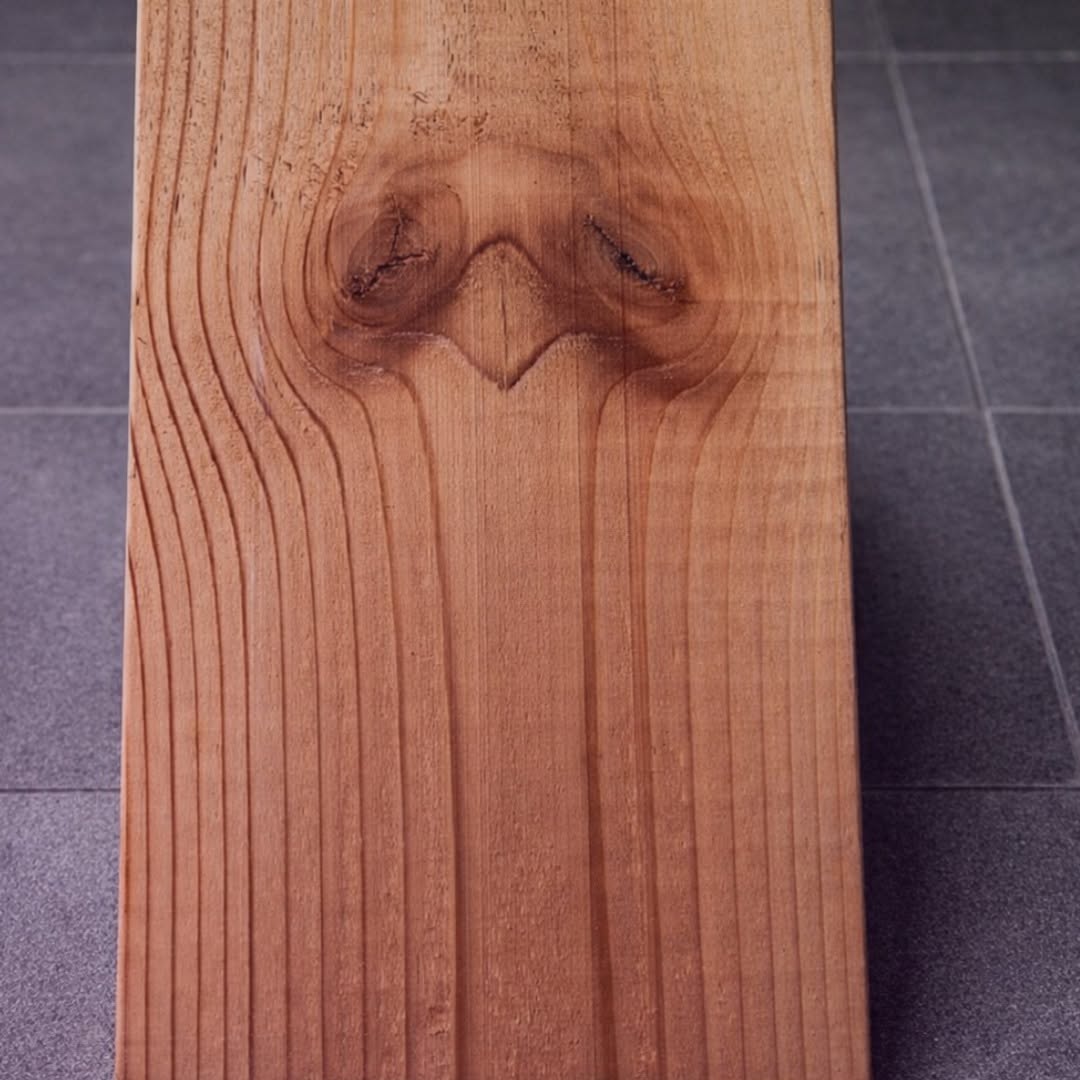
What About the Ostrich, Emu, Turtle, Mushroom, or Sid?
Ambiguous images often produce a surprising list of answers once people start discussing them online. Viewers may report seeing an ostrich, emu, turtle, mushroom, or a cartoon-like character.
However, there is no reliable personality chart that can turn each of those sightings into a psychological profile. Be skeptical of posts claiming that one unusual answer proves a specific trait, intelligence level, emotional type, or future behavior.
Try This 30-Second Visual Perception Test
Want to make the experiment more interesting? Look at the image before reading anyone else’s interpretation.
First, give yourself about five seconds. Write down the first object or shape that catches your attention without trying to force an answer.
Next, look again for another five seconds. Move your eyes slowly around the edges, center, and background. Notice whether a second figure appears.
Finally, ask yourself three questions: What grabbed my attention first? What did I miss initially? Did someone else’s suggestion change what I saw?
This simple exercise demonstrates a useful point: perception is an active process. Your brain does not merely copy the outside world; it organizes incoming information into something meaningful.
Common Mistakes When Interpreting Optical Illusions
The biggest mistake is treating a viral personality quiz as if it were a clinical assessment. A single ambiguous picture cannot measure your personality, intelligence, emotional health, or decision-making ability.
Another mistake is assuming that the first thing you see will always be the first thing you see. Attention changes with context, fatigue, expectations, lighting, screen size, and even the amount of time you spend looking.
Also, avoid forcing yourself to find a hidden object. If you cannot see what another person sees, that is completely normal. Some ambiguous figures simply require a different viewing angle or a hint before the alternate interpretation becomes recognizable.
How to Get Better at Spotting Hidden Shapes
If you enjoy visual puzzles, practice looking at images in layers. Start with the biggest shapes, then check the edges, negative space, repeated patterns, and unusual gaps.
Next, slightly change your viewing distance. Sometimes an object becomes clearer when you move the image farther away because smaller details blend into a larger form. On a phone, zooming out can produce a similar effect.
You can also turn the image mentally sideways or focus on the spaces around an object rather than the object itself. However, the goal is not to prove you have a special visual skill. It is simply to notice how flexible your attention can be.
The Bigger Lesson Behind “What Do You See First?”
The real fun of these images is not discovering whether you are a “tree person” or a “people person.” It is noticing how quickly your brain turns messy visual information into recognizable objects.
That is why two people can stand in front of the same picture and have completely different first impressions. Their attention, expectations, experiences, and the visual features that stand out to them can all play a part.
So the next time someone asks, “What do you see first?” give yourself a moment before reading the answers. You might see a tree, two people, an animal, or something nobody else noticed.
Just remember: visual perception psychology can explain why an image feels different from one viewer to another, but a viral optical illusion is not a personality test. The most interesting answer may simply be the one your brain noticed first.
“`