“`html
White Coating on Baby Carrots: Is It Safe?
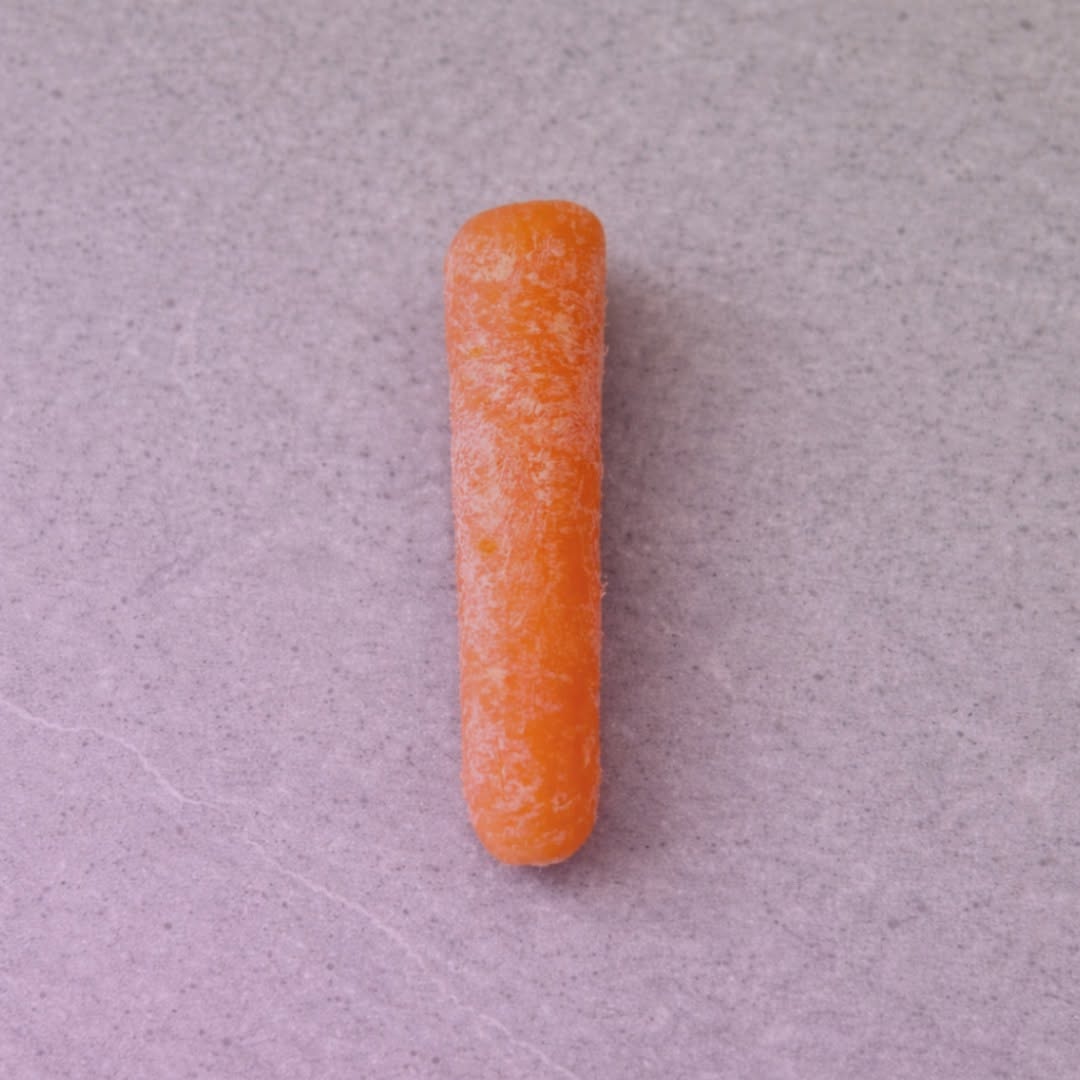
If you have ever opened a bag of baby carrots and noticed a chalky white coating, you may have wondered whether those carrots are spoiled, chemically treated, or simply not worth eating. The good news is that the white coating on baby carrots is usually harmless. In most cases, it is caused by moisture loss from the carrot’s surface, a condition often called “white blush.” Knowing what you are looking at can save perfectly good produce from the trash.
What Is the White Coating on Baby Carrots?
The pale, dry-looking film is generally not a mystery ingredient. Baby carrots can develop a whitish appearance when their outer surface loses moisture, especially after processing, washing, peeling, cutting, and storage.
This happens because the carrot’s surface becomes slightly dehydrated. As a result, the natural structure of the carrot reflects light differently, making it look pale or dusty even though the inside can remain crisp and sweet.
However, there is an important distinction: a white coating is not automatically a sign that every carrot in the bag is fresh. You still need to check the texture, smell, and overall condition.
Is White Blush Safe to Eat?
Generally, yes. White blush itself is not considered a sign that baby carrots have become poisonous or unsafe.
If the carrots are firm, smell fresh, and have no obvious signs of spoilage, you can usually rinse them under cool running water and eat them. You do not need a special cleaner, bleach solution, or expensive produce-washing product.
Pro Tip: If the carrots look dry but otherwise seem fine, soaking them briefly in clean, cold water can help restore some of their crisp texture. Pat them dry before storing them again.
How to Tell White Blush From Spoilage
This is where a quick kitchen inspection matters. White blush tends to look dry, chalky, or slightly pale on the surface. Spoilage, on the other hand, often brings changes you can feel and smell.
Start with texture. Fresh baby carrots should feel reasonably firm. If they are extremely soft, slimy, collapsing, or covered with a sticky film, that is a different situation.
Next, give them a quick sniff. A normal carrot should have a mild, earthy or slightly sweet smell. A sour, rotten, or strongly unpleasant odor is a reason to discard the affected carrots.
Finally, look closely for mold or unusual growth. Fuzzy patches, spreading dark spots, or other clear signs of decay mean the carrot should not be eaten.
A Simple Three-Check Test
- Look: A dry white film can be white blush; fuzzy growth or spreading decay is not.
- Feel: Firm or slightly dry is very different from slimy and mushy.
- Smell: Mild and earthy is normal; sour or rotten odors are a warning.
When several warning signs appear together, do not try to rescue the produce by simply washing it. Toss it instead.
Why Do Baby Carrots Turn White?
Baby carrots are commonly shaped and peeled during processing, which leaves more of the outer surface exposed to the air. Once moisture begins moving out of that surface, the carrots can develop a pale appearance.
Temperature and storage also matter. A bag that has spent too long in a warm refrigerator, been opened repeatedly, or lost its original moisture barrier can show white blush more quickly.
Interestingly, this does not mean the carrot has been covered with a harmful powder. The visual change is largely connected to the carrot’s own surface and moisture.
Does Washing Remove the White Coating?
Often, rinsing helps. Hold the carrots under cool running water and gently rub the surface with clean hands.
For stubborn residue, a clean vegetable brush can help, although you generally do not need aggressive scrubbing. After rinsing, dry the carrots with a clean towel if you plan to refrigerate them.
Avoid household detergents or cleaning sprays. They are not designed for food and can leave unwanted residues behind.
How to Make Baby Carrots Crisp Again
If the carrots are safe but look a little tired, you can often improve their texture with a simple cold-water soak.
Place the carrots in a clean bowl of cold water and refrigerate them for a short period. Then drain and dry them before serving or returning them to the refrigerator.
For storage, use a clean container or resealable food-storage bag and keep the carrots refrigerated. If condensation builds up inside the container, excess moisture can encourage deterioration, so wipe out standing water and avoid packing them while they are dripping wet.
Kitchen Upgrade Tip: A simple produce container with a vented design can make refrigerator storage easier because it helps manage moisture without requiring a complicated setup.
Common Mistakes People Make
The biggest mistake is assuming that every white-looking carrot is spoiled. That can lead to perfectly usable vegetables being thrown away.
Another mistake is doing the opposite: ignoring obvious spoilage because the carrots can still be washed. Washing cannot turn slimy or moldy produce back into fresh produce.
Some people also reach for vinegar or specialty produce washes when plain running water is enough for routine cleaning. If you choose a commercial produce-washing product, follow its label exactly and make sure it is specifically intended for produce.
When Should You Throw Baby Carrots Away?
Discard baby carrots if you notice mold, a strong unpleasant odor, significant sliminess, or advanced decay. Also be cautious if the package is leaking, badly swollen, or contains carrots that are breaking down.
You do not need to investigate one questionable carrot by tasting it. When something clearly smells or looks spoiled, the safest kitchen decision is to discard it.
How to Store Baby Carrots So They Last Longer
Good storage starts as soon as you bring them home. Keep baby carrots refrigerated and follow the package’s use-by or best-by guidance when provided.
Once the package is opened, keep the carrots in a clean, covered container or suitable food-storage bag. If the original packaging is wet inside, transferring the carrots to a clean container and managing excess moisture can help.
Keep them away from foods with strong odors, and avoid leaving the bag on the counter for long periods. Naturally, the colder and more consistent the storage temperature, the easier it is to maintain quality.
The Bottom Line on the White Coating on Baby Carrots
The white coating on baby carrots is usually white blush caused by moisture loss, not a dangerous chemical coating. If the carrots remain firm, smell normal, and show no mold or obvious decay, a good rinse is generally all you need.
Still, trust your senses. A pale, dry surface is one thing; sliminess, foul odors, mold, and serious deterioration are another.
So the next time you open the refrigerator and see a bag of carrots looking a little frosty and pale, don’t panic. Check the texture, check the smell, rinse them well, and decide based on their actual condition—not just their color.
“`