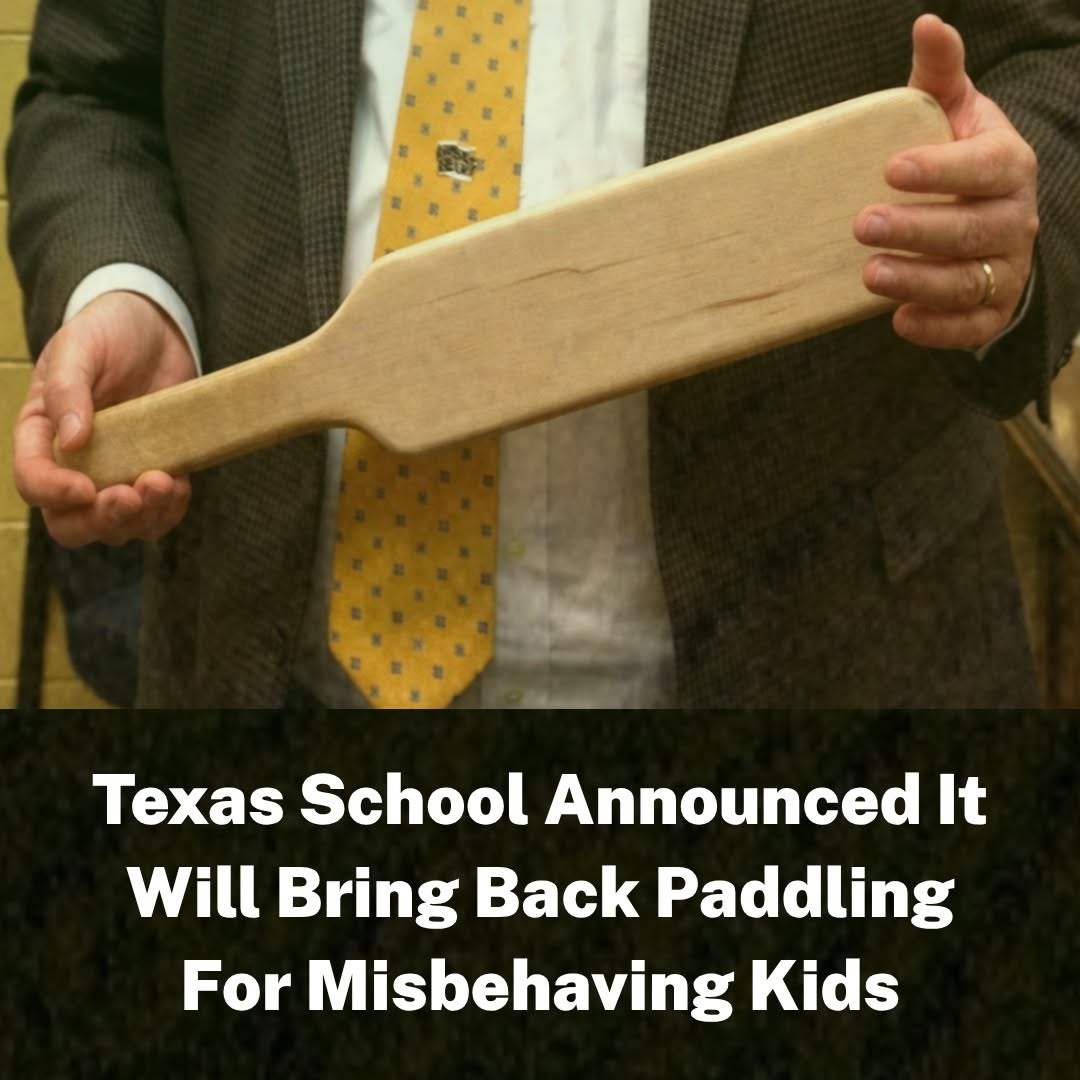
Texas School Paddling Policy: What Parents Should Know
A school discipline policy can turn an ordinary school-board meeting into a national argument. In Texas, the use of corporal punishment in schools remains a controversial subject, with some districts allowing it under local rules and parental consent while critics argue that physical punishment has no place in education.
That tension makes the issue bigger than a simple question of whether a paddle is allowed. Parents are really asking what happens after a student breaks a rule, who gets to make that decision, how consent works, and whether the discipline system treats students fairly.
What a Texas School Paddling Policy Actually Means
Corporal punishment is a form of physical discipline used by some schools as a consequence for student misconduct. The details can vary by district, so parents should read the local student code of conduct rather than assume every Texas school follows the same procedure.
In districts that permit it, paddling may be limited to certain situations and may require parental authorization. A school can also have separate rules covering documentation, who may administer discipline, and when another consequence must be considered.
That local detail matters. Texas Education Agency discipline resources explain that school systems operate under student-discipline policies and reporting requirements, while official discipline reports provide district-level information about disciplinary actions. However, a statewide discipline report does not mean every district uses the same approach.
Why Parents Are Divided
Supporters usually focus on consistency and authority. They may believe that a clear consequence can discourage repeated disruption and that schools should have firm boundaries when other interventions have not worked.
Opponents see the issue differently. They worry about fear, trust, unequal enforcement, and the possibility that physical punishment can damage the relationship between students and educators.
There is also a basic question of purpose. Is discipline supposed to make a student afraid of a consequence, or help the student understand what went wrong and learn a better response next time?
That distinction changes the conversation completely.
Parental Consent Is Only One Piece of the Puzzle
An opt-in policy can sound straightforward: parents approve the practice, and the school follows its rules. However, consent does not answer every question.
Parents may want to know exactly what they are authorizing, what behaviors can trigger the consequence, who makes the decision, whether a student can be removed from the program later, and what alternatives are available.
Before signing any school form, families should ask for the written policy and student code of conduct. They should also check whether the district publishes discipline procedures online.
A good policy should be understandable without a law degree. If parents cannot tell when a consequence can be used or how a complaint is handled, that is worth asking about before giving consent.
The Bigger Concern: Fairness in Discipline
One of the strongest arguments against corporal punishment involves unequal outcomes.
The U.S. Department of Education previously highlighted racial disparities in school corporal punishment and cited federal civil-rights data showing that Black students represented a disproportionately large share of students receiving corporal punishment at the time. The department also raised concerns about disparities involving sex and disability status.
Those figures come from older federal data, so they should not be presented as a current 2026 count. Still, they explain why the debate is not only about discipline philosophy. It is also about whether rules are applied consistently.
That is where school-level data can become useful. Texas publishes discipline information through its education data systems, including annual reports covering districts and campuses. Parents who want to understand what happens locally can start there instead of relying on national headlines.
What Schools Can Consider Instead
Physical punishment is not the only way to respond to repeated misconduct.
Schools can use a range of nonphysical responses, depending on the situation and district policy. These may include parent conferences, loss of privileges, behavior plans, restorative conversations, classroom changes, counseling referrals, or other consequences tied to the student’s conduct.
The best response depends on the behavior. A student who repeatedly interrupts class may need a different intervention from a student involved in bullying or a serious safety issue.
That sounds obvious, but it is often missing from online arguments about school discipline. One punishment rarely fits every student or every situation.
Questions Parents Should Ask Before Taking a Position
Before supporting or opposing a Texas school paddling policy, parents can ask a few practical questions:
- What exactly does the district policy permit?
- Is written parental consent required?
- Can consent be withdrawn?
- Which behaviors can result in corporal punishment?
- What alternatives are offered?
- How are discipline decisions documented?
- Can parents review discipline data for the district?
- What process exists for complaints or appeals?
- Are students with disabilities covered by additional protections?
- Does the district review discipline outcomes for racial or gender disparities?
These questions move the conversation away from slogans and toward evidence.
Why the Numbers Need Context
Statistics can make a story sound more dramatic, but dates and definitions matter. For example, the frequently cited federal figures involving roughly 40,000 Black students and the 1.8-times and 2.9-times disparity figures come from data discussed by the U.S. Department of Education in 2016, not from a new 2026 Texas count.
That distinction is important for responsible reporting.
Likewise, claims that a certain number of Texas districts currently use paddling should be checked against current district policies rather than copied from an older article. School policies can change, boards can revise codes of conduct, and local rules may differ from one district to another.
The Real Debate Is About What Discipline Should Teach
At its heart, the argument over a Texas school paddling policy is not really about nostalgia. It is about what adults believe discipline should accomplish.
Supporters may see strict consequences as a way to reinforce boundaries. Critics argue that schools can maintain order without physical punishment and that students learn better when discipline preserves trust and dignity.
There is room for a serious conversation here without pretending the evidence is simpler than it is.
Parents deserve clear policies, current data, transparent procedures, and meaningful alternatives. Students deserve a school environment where rules are enforced consistently and where discipline is handled with care.
So, is school paddling coming back everywhere in Texas? No. The situation is more complicated. District policies differ, and current rules should be checked locally.
For families trying to understand a Texas school paddling policy, the smartest first step is not a viral post or an angry comment thread. Read the district’s current code of conduct, ask how discipline decisions are made, and look at the available data. That is where the real story begins.