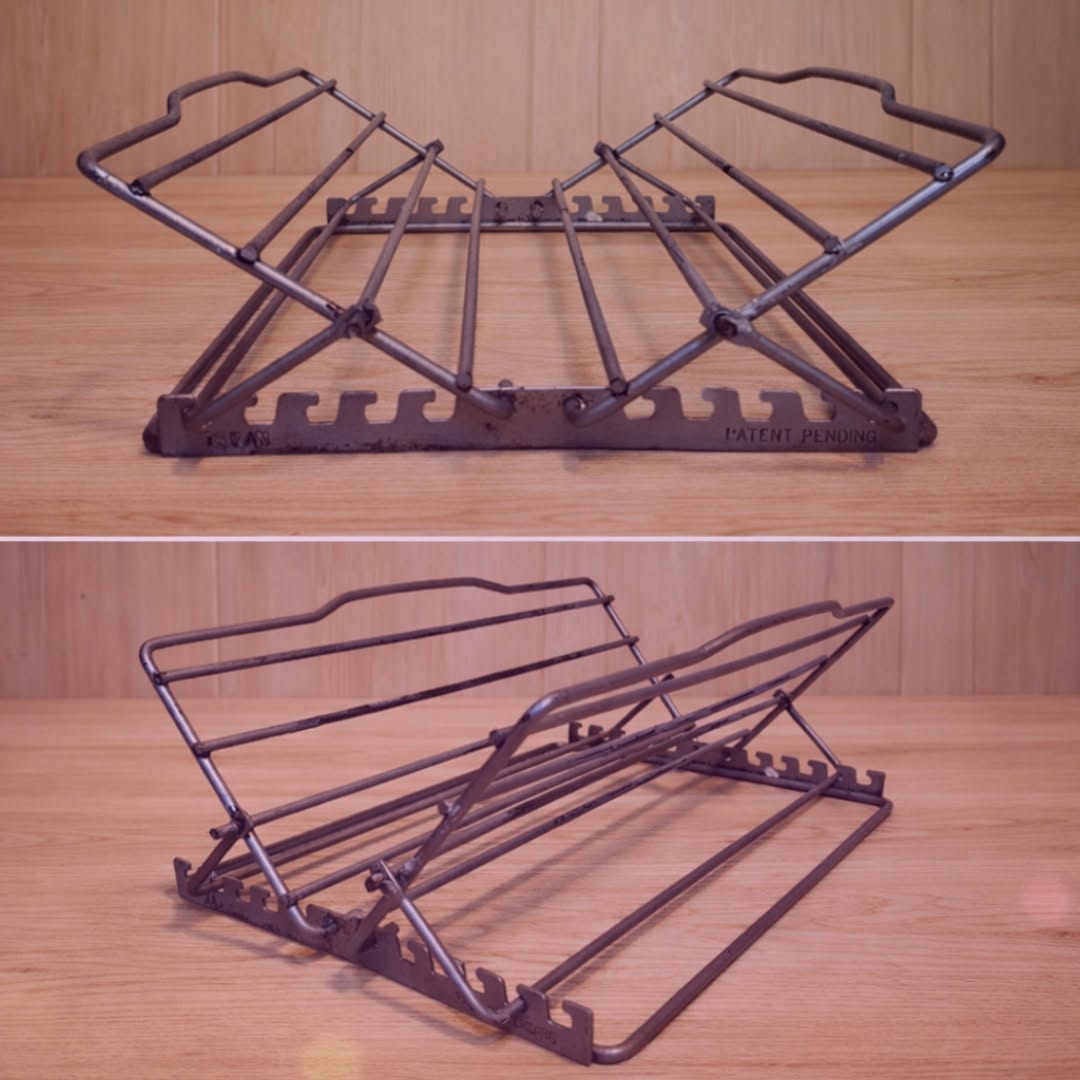
What Is an Adjustable Roasting Rack?
If you have ever pulled a strange folding piece of metal from an old kitchen drawer and wondered what it was supposed to do, you are not alone. An adjustable roasting rack looks simple, but this handy oven accessory can make a real difference when you want crisp edges, better browning, and cleaner pan drippings.
An adjustable roasting rack is a reusable metal rack that sits inside a roasting pan, baking sheet, or deep oven tray. Its folding or repositionable sections allow it to change shape, width, height, or angle, depending on the pan and the food you are cooking.
Unlike a flat cooling rack, a roasting rack is built to support heavier foods at oven temperatures. The raised design keeps food above the bottom of the pan, allowing hot air to move around more of the surface while juices and rendered fat collect underneath.
That small gap is the whole trick.
When food sits directly in a pool of liquid, the underside can soften instead of browning. A roasting rack creates separation, so the food has a better chance of developing a browned exterior while the pan catches the drippings.
How the Adjustable Design Works
The exact mechanism varies by rack, but most adjustable roasting racks use hinged sections, folding legs, slots, or multiple resting positions. You reshape the rack until it fits the pan securely.
For instance, a narrow pan may call for a compact setup, while a wider roasting pan can accommodate a more open position. Some racks can also be tilted to support oddly shaped cuts of meat.
Before cooking, place the empty rack in the pan and press gently on each section. If it rocks or shifts, adjust it before adding food.
Pro Tip: Test the rack while everything is cold. Discovering that it tips when loaded with a hot roast is a lesson nobody wants at dinnertime.
Why Use a Roasting Rack?
The biggest benefit is airflow. Because the food is lifted above the pan, heat can reach more of its surface instead of having the bottom sit against metal or liquid.
That can help with browning and crisping, particularly when roasting poultry, vegetables, or foods with a fatty exterior. It also keeps the underside from becoming as wet from accumulated juices.
There is another useful benefit: the pan becomes a built-in drip catcher. Those juices can become the starting point for gravy, a pan sauce, or a flavorful cooking broth.
However, a rack is not magic. It cannot compensate for overcrowding, poor oven temperature, or food that is naturally very wet. Think of it as a tool that gives your oven better working conditions.
What Can You Cook on an Adjustable Rack?
Chicken and Turkey
A roasting rack is especially useful for poultry. Lifting the bird allows heat to circulate underneath and gives juices somewhere to collect.
For smaller pieces, such as chicken thighs or drumsticks, leave space between the pieces. Crowding traps moisture and works against the crisping you want.
Beef and Pork Roasts
For larger cuts, a sturdy stainless steel roasting rack can keep the meat elevated and make handling easier. Check the rack’s weight rating when buying one for large roasts.
Bacon, Wings, and Vegetables
A rack can keep bacon above some of its rendered fat, while wings can benefit from extra airflow. Vegetables can also brown more readily when they are raised above a wet pan surface.
Still, always check that the rack is rated for the temperature you are using.
How to Use a Roasting Rack Correctly
Start by choosing a pan that is deeper and wider than the rack itself. The rack should sit completely inside the pan without its feet resting awkwardly on the rim.
Next, adjust the rack while it is cold. Lock or settle each folding section into position, then give it a gentle shake.
Add any recipe-approved liquid to the bottom of the pan. Water, stock, or aromatic vegetables can help manage drippings and may reduce scorching, but do not add so much liquid that it reaches the food.
Place the food in the center and leave open space around it. Then transfer the pan carefully into the preheated oven.
When cooking is finished, remember that the rack remains very hot after the oven is switched off. Use sturdy oven mitts and let the rack cool before handling or washing it.
Common Mistakes That Ruin the Setup
One common mistake is buying a rack that is too large for the roasting pan. If the rack presses against the sides, it may not sit properly and can restrict airflow.
Another mistake is placing too much food on it. A rack only helps when air can actually move around the food.
Do not assume every metal rack is oven-safe. Check the manufacturer’s temperature rating, especially if the rack has a nonstick coating, plastic components, or unusual finishes.
Also, avoid dragging a hot rack across a coated baking pan. Scratches can damage the pan surface and create a bigger cleanup problem.
How to Choose a Good Adjustable Roasting Rack
If you are shopping for an adjustable roasting rack, start with dimensions. Measure the inside length and width of your main roasting pan, then compare those measurements with the rack’s folded and expanded sizes.
Next, look at construction. Stainless steel is a popular choice because it is durable, easy to clean, and generally suited to high-heat cooking when the product is specifically rated for oven use.
Pay attention to the feet and joints as well. Stable feet matter because a rack carrying a heavy roast should not wobble when you move the pan.
For frequent cooks, a dishwasher-safe design can save time. Smooth welds and fewer tight corners can also make grease easier to remove.
You do not necessarily need the most expensive roasting rack. A sturdy, correctly sized rack is more useful than a fancy model that does not fit your cookware.
Cleaning and Storing It
Grease has a sneaky way of hiding around hinges and wire joints. Let the rack cool completely, then soak it in warm water with dish soap before scrubbing.
For stubborn baked-on residue, a paste made from baking soda and a little dish soap can help loosen grime. Use a non-scratch scrubber when the rack has a coating.
Dry the rack thoroughly before storing it. This is especially important with older steel racks, where trapped moisture can contribute to rust.
If the rack folds, store it in its compact position and keep it somewhere dry. A shallow drawer or roasting-pan cabinet often works well.
Is an Adjustable Roasting Rack Worth Having?
If you regularly roast chicken, turkey, beef, pork, vegetables, or other oven foods, an adjustable roasting rack is useful kitchen equipment. It takes up little storage space, works with different pans, and can improve airflow without requiring a new oven or expensive cookware.
The real advantage is simple: food gets lifted away from the pan bottom while the drippings stay below.
That means better separation, easier cleanup, and more opportunities for browned, flavorful food.
Final Thoughts
The next time you spot a folding metal rack at a thrift store, inside an old roasting pan, or tucked into a kitchen cabinet, do not dismiss it as random cookware. An adjustable roasting rack is a practical oven accessory designed to lift food, improve airflow, and collect drippings underneath.
With the right pan, a stable setup, and enough room for air to circulate, this inexpensive kitchen helper can earn a permanent place in your cooking routine.