The Mystery of the Palm-Sized Safety Pin
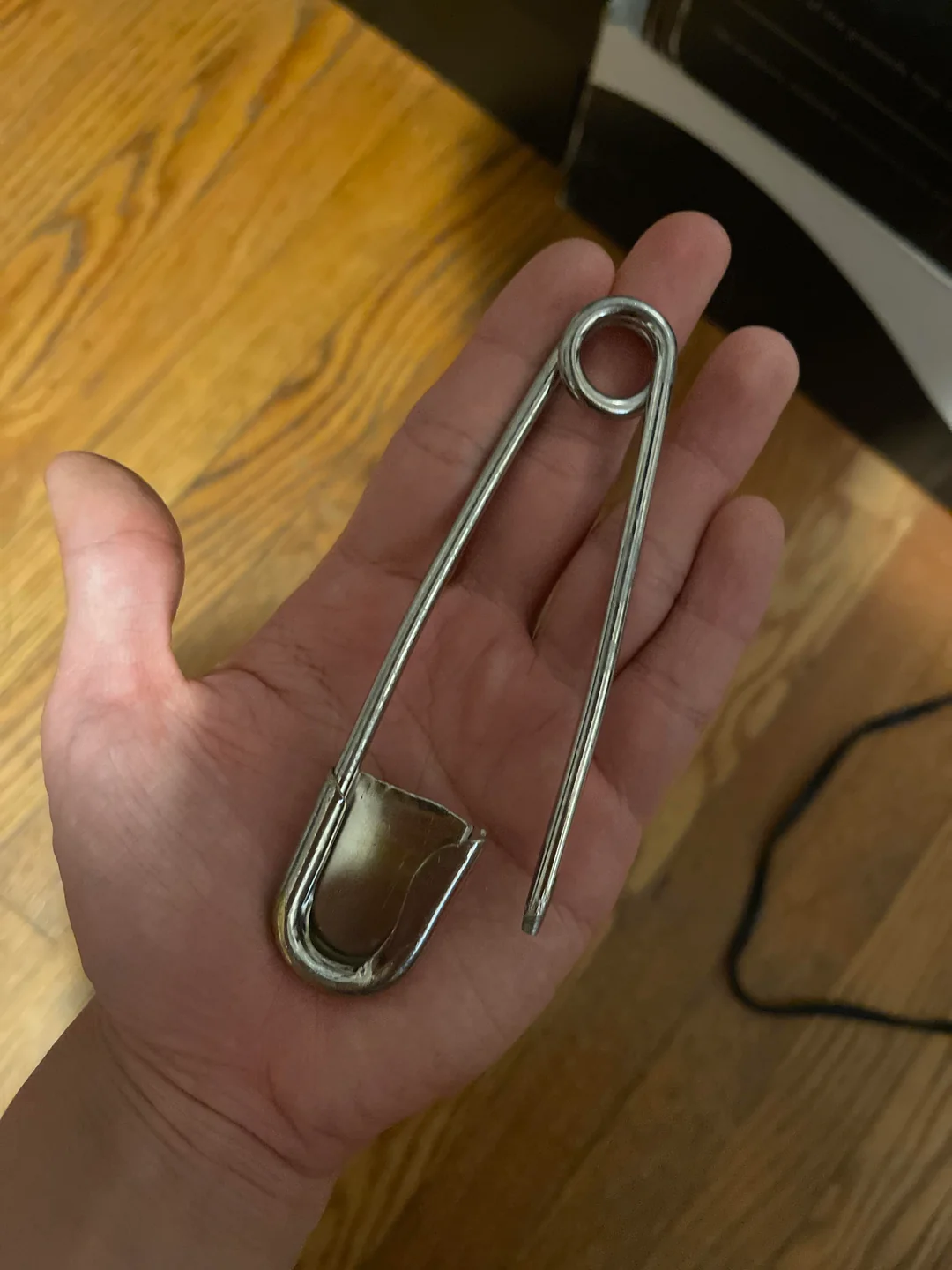
A person on Reddit recently posted a photo holding a piece of hardware that made everyone do a double take. It looked like a standard safety pin, except someone had hit it with an enlargement ray. Resting across an open hand, the gleaming metal fastener stretched nearly six inches long, forged from thick, unyielding steel wire.
Naturally, the internet had questions. Was it a novelty prop from a cartoon set? A tool for Paul Bunyan? Or a forgotten piece of heavy industrial machinery? Within hours, thousands of comments poured in, swapping wild theories, childhood memories, and workplace folklore.
What is this giant pin used for?
by
u/enquired067 in
whatisit
When you hold something like this, its sheer heft tells you it wasn’t made as a gag gift. The spring is stiff. The clasp is heavy stamped metal. The pin itself isn’t needle-sharp, but rather tapered and blunt, designed to push through heavy material without shredding threads. But what material requires a giant safety pin this formidable?
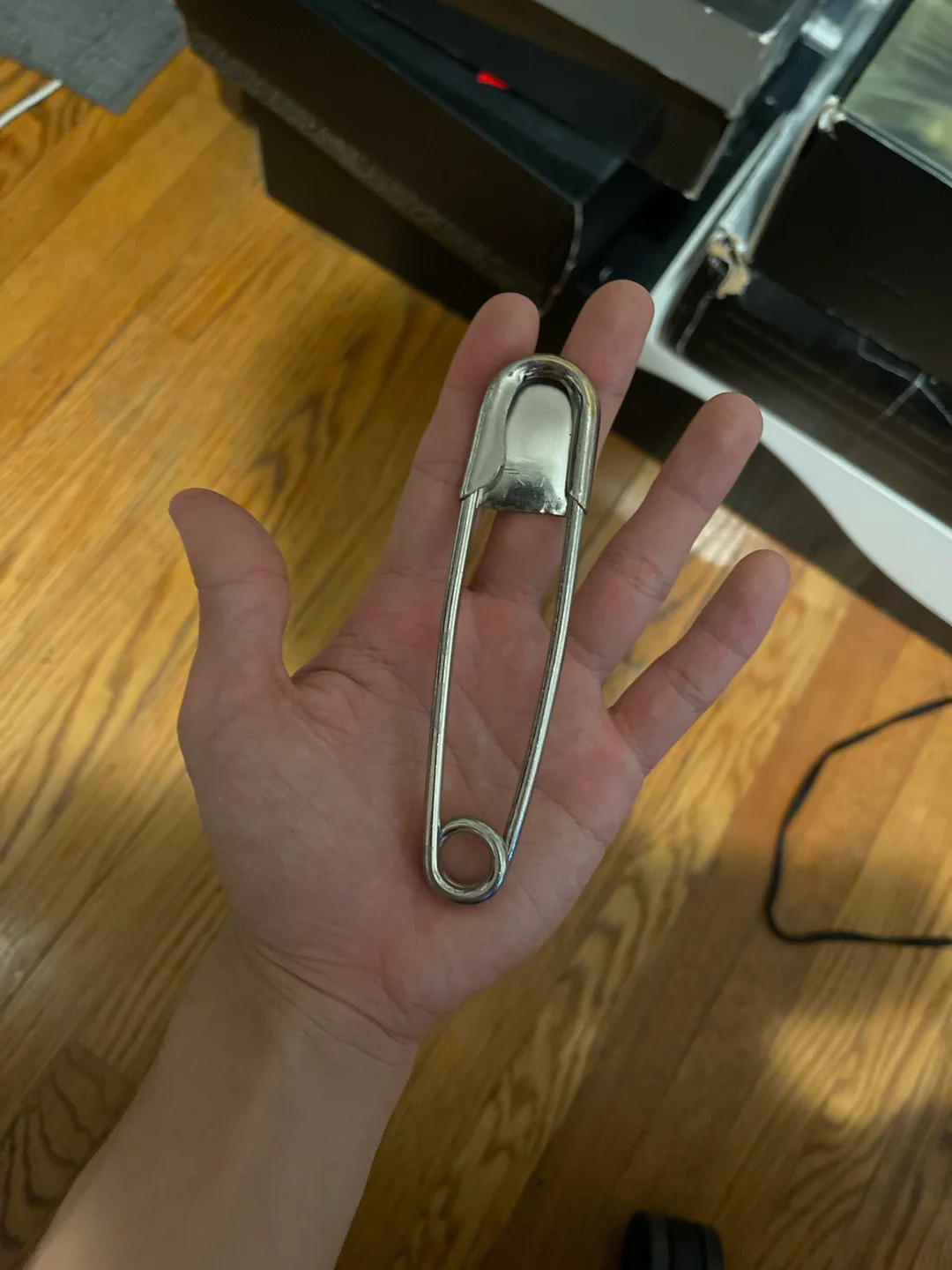
A palm-sized metal mystery: the heavy-gauge giant safety pin that sparked thousands of guesses across the internet.
From Diaper Gags to Rebel Road Traditions
Scroll through the initial guesses on the forum and you’ll find plenty of humor. Dozens of commenters immediately pointed to Baby Huey, the massive cartoon duck in a giant diaper, or cracked jokes about oversized baby clothes. Yet among the comedy, several fascinating pieces of practical history emerged.
One commenter recalled how coal miners in previous generations used these heavy fasteners. Miners would attach the pins directly to their sturdy work belts to clip lanterns or secure battery packs while moving through dark shafts. The thick wire could support substantial weight without bending out of shape when snagged on timber.
Others brought up motorcycle subcultures. In certain riding communities, an oversized pin worn on a leather vest served as a subtle “pass-through pin.” It signaled to other clubs that the rider was simply passing through the territory peacefully, minding their own business without looking for conflict.
“My great-grandpa was a coal miner and had one attached to his mining belt to carry heavy gear on his person. You couldn’t break those things if you tried.”
Fashion also claimed the oversized pin across different decades. During the 1960s, schoolteachers and students pinned heavy wool wrap skirts at the side. The trend resurfaced with 1990s grunge and punk fashion, turning functional industrial hardware into a bold visual statement on frayed jackets and bags.
The Highland Kilt Debate (and a Windy Mistake)
Another popular theory was the Scottish kilt. Highland dress does indeed feature a large decorative pin worn near the bottom of the front apron. However, experienced kilt wearers quickly stepped into the conversation to set the record straight on how those pins actually work.
A traditional kilt pin is meant to provide weight. You attach it solely to the outer apron of the fabric so the heavy wool hangs straight and resists stray breezes. You never pin the front and back aprons together.
One kilt wearer shared a hilarious cautionary tale about fastening both layers shut with an industrial pin. When a sudden gust caught the fabric, the pinned kilt acted like a parachute rather than letting air escape, resulting in a sudden, impromptu Marilyn Monroe moment on a windy street!

Heavy-duty mesh laundry wash bags rely on sturdy metal safety pins to keep garments secure through industrial wash cycles.
The Real Workhorse: Industrial Laundry and Fleet Washing
While fashion and folklore offer fun detours, the primary historical purpose of this heavy piece of hardware belongs to commercial washing. In industrial facilities, these items are officially known as laundry net pins or laundry bag pins.
Veterans from the Navy, Army, and Marine Corps immediately recognized the tool from their service days. Aboard naval vessels or during basic training, service members receive large, coarse mesh bags for their personal laundry. Each recruit places their dirty uniforms inside their designated net bag, then closes the opening with an oversized metal pin.
- Numbered Identification: Most military and commercial laundry pins feature a stamped brass tag or engraved number corresponding to a specific person or bunk.
- High-Heat Durability: Unlike plastic zippers or drawstrings that snap or melt in commercial dryers, solid steel fasteners survive boiling wash temperatures and aggressive extraction cycles without failing.
- Flow-Through Cleaning: The blunt tip weaves through open mesh fibers without tearing the cords, allowing soapy water to circulate freely while keeping the contents locked tight.
Dry cleaning plants, hospital linen services, meat processing plants, and college athletic departments all rely on the exact same system. When hundreds of sports jerseys or industrial coveralls need washing at once, these trusty pins keep individual sets together without a single lost sock.
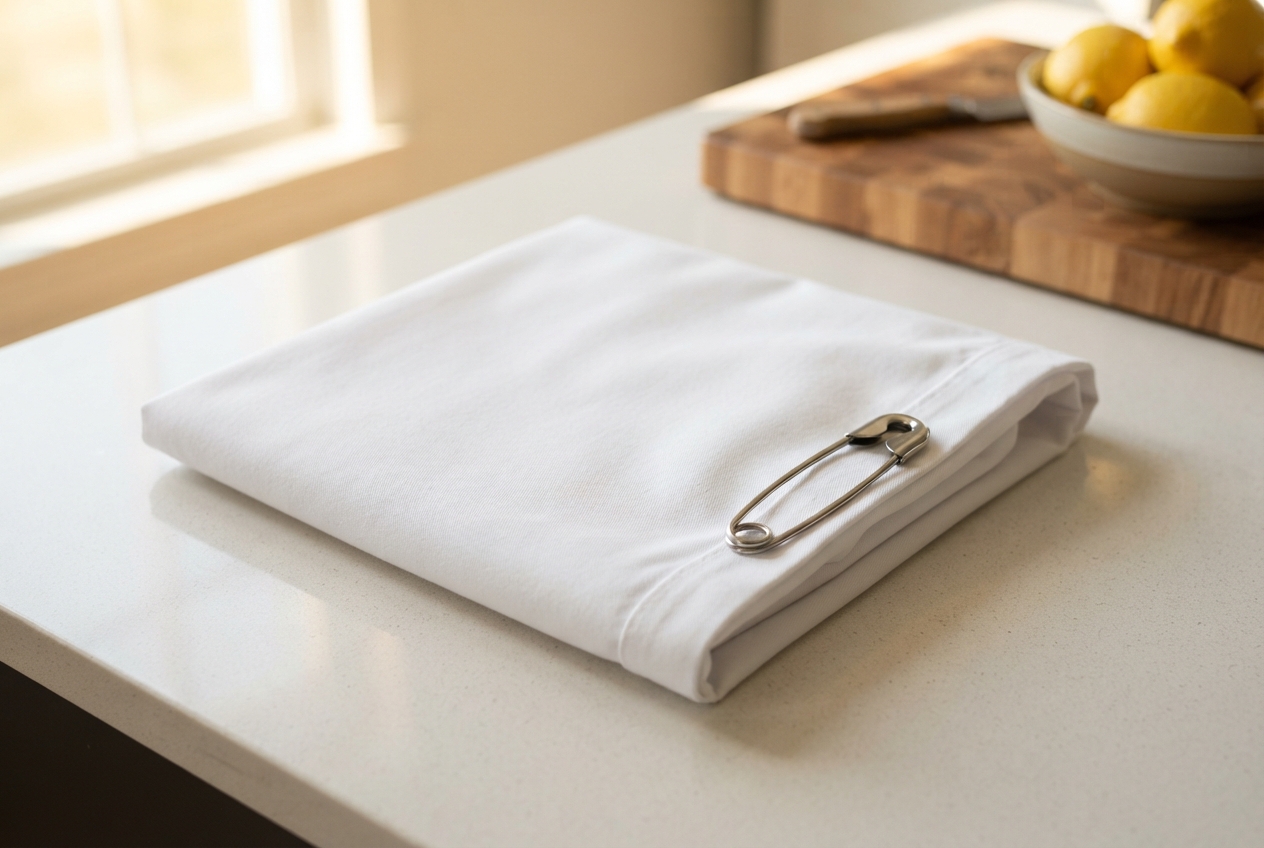
Classic diners and iconic burger spots still use heavy metal pins to secure custom aprons without buttons or ties.
The Cult Fast-Food Connection: The In-N-Out Apron Secret
There is one more famous everyday home for this oversized pin, and millions of restaurant patrons see it every day without realizing what it is. If you have ever ordered a Double-Double at In-N-Out Burger, you were looking right at one.
In-N-Out restaurant employees wear clean white aprons made from heavy, unhemmed rectangles of cotton canvas. Instead of using sewn-on strings or plastic clips, team members fold the fabric snugly around their waist and secure the fold with a sturdy, gleaming safety pin right at the hip.
The practice dates back decades as part of the company’s crisp, retro uniform standard. The heavy pin keeps the apron flat, tailored, and secure throughout a busy shift of flipping burgers and cutting fresh potatoes, easily unpinned at the end of the day for sanitizing.
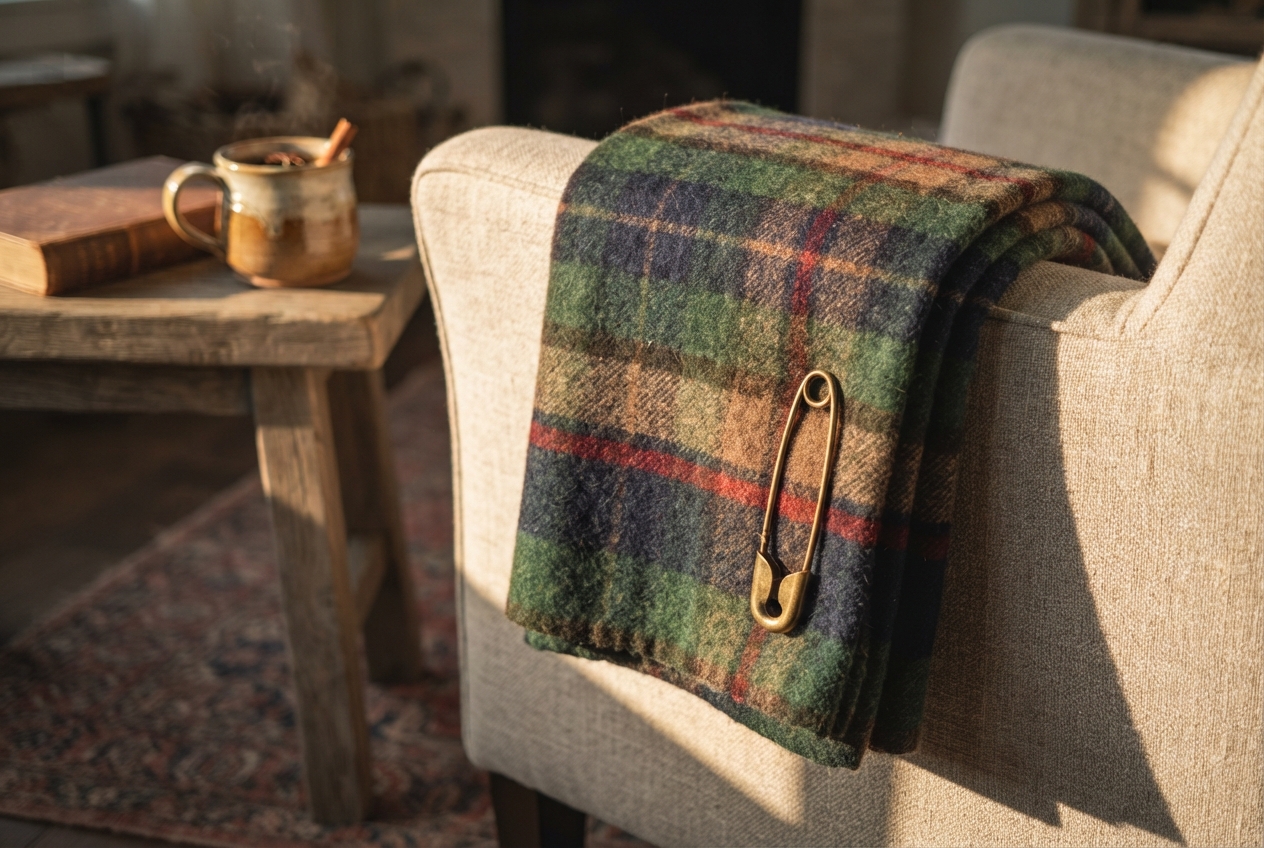
An oversized safety pin makes an unexpectedly charming, practical fastener for heavy winter throws and storage wraps.
Clever Ways to Use a Giant Safety Pin Around the House
If you happen to find one of these solid steel treasures in a thrift shop bin or inherited toolbox, don’t leave it in a drawer. These heavy-duty tools solve several stubborn household challenges with timeless simplicity.
1. Taming Heavy Wool Blankets
Thick wool throws and vintage camp blankets are notoriously stiff to fold and store. Fastening the rolled edge with an oversized metal pin keeps the roll neat on a closet shelf or rustic blanket ladder while adding an attractive utilitarian touch to your storage.
2. Securing Canvas Drop Cloths and Slipcovers
When painting a room or protecting furniture during messy DIY projects, lightweight pins bend immediately. A thick steel laundry pin pushes through dense canvas drop cloths and anchors them around furniture legs without slipping.
3. Keeping Cleaning Rags Together in the Wash
Borrow a trick from commercial laundries for your own utility room. Clip your microfiber cleaning cloths or reusable dusting mops inside a mesh washing bag with a laundry pin so they never get tangled around everyday clothes or delicate linens.
Sometimes the simplest tools are the ones that last the longest. Whether keeping track of sailors’ uniforms, holding a classic diner apron in place, or organizing heavy linens in a modern utility room, the humble giant safety pin remains an enduring masterpiece of functional everyday design.